Imagine it’s a cold winter evening. You walk into your living room, and instead of a warm embrace, you’re met with a chill that sends shivers down your spine. You realize that your heating system isn’t performing as it should. To keep your home cozy, understanding how many watts per square foot to heat a room can make a significant difference. This knowledge not only helps you choose the right heating solution but also ensures energy efficiency and comfort.
This article will equip you with the essential information on wattage requirements for heating rooms of various sizes. You’ll learn how to calculate the necessary wattage, factors that influence these calculations, and handy tools that can simplify the process.

Calculated Industries
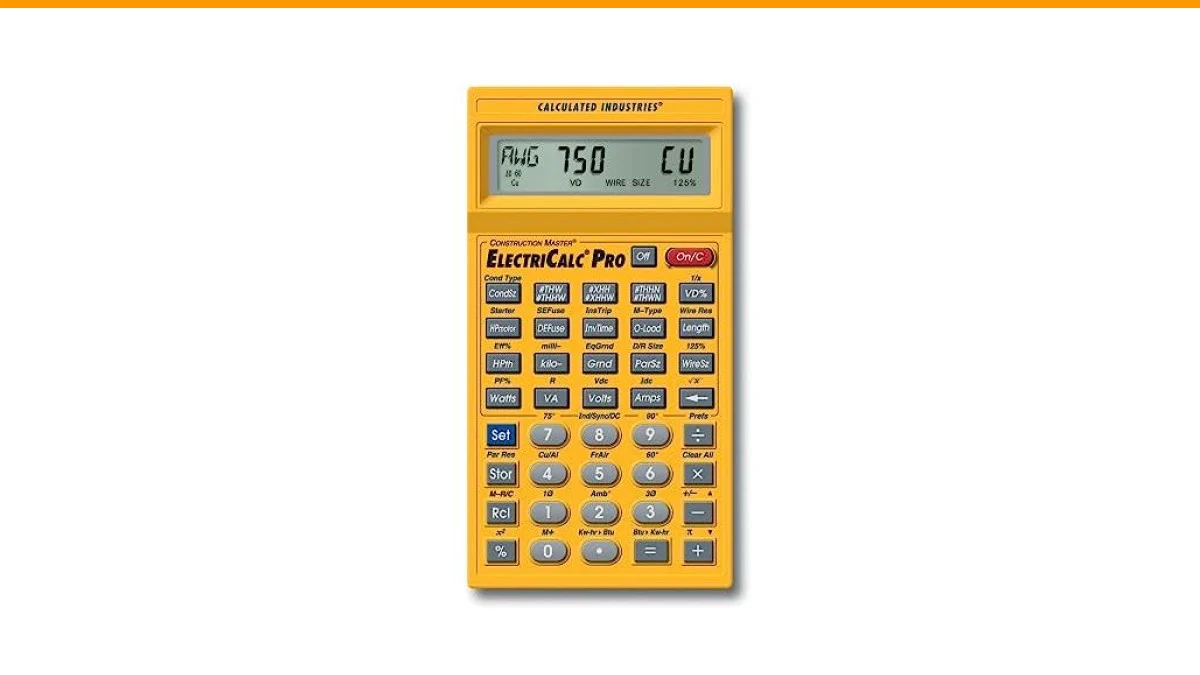
Calculated Industries 5070 ElectriCalc Pro Electrical Code Calculator
- Ideal for electrical contractors, designers, engineers, electricians, builders, and inspectors
- Use it to calculate wire sizes, integrated voltage drop, and for conduit sizing
- Comes with free Armadillo Gear protective case
One such tool is the Calculated Industries 5070 ElectriCalc Pro Electrical Code Calculator. This device is perfect for electricians, contractors, and builders. It helps in calculating wire sizes, voltage drops, and conduit sizing, making your heating project smoother.
 How many watts do you need to heat your room? | NO B.S.Watch on YouTube
Understanding Watts per Square Foot
Okay, but how much does this actually matter? The general guideline for heating a room is to use between 10 to 15 watts per square foot. However, this number can vary based on several factors including insulation quality, room size, and ceiling height.
For example, a well-insulated room in a mild climate may only need about 10 watts per square foot. Conversely, an older home with poor insulation in a colder area might require closer to 15 watts per square foot. This variability is crucial when planning your heating needs.
Factors Influencing Wattage Needs
What else should you consider? Several factors can significantly impact your wattage requirements:
- Insulation: Proper insulation reduces the amount of heat loss, lowering the wattage needed.
- Ceiling Height: Rooms with higher ceilings require more power to heat effectively.
- Windows and Doors: Drafty windows or poorly sealed doors can increase heat loss.
- Climate: Colder climates naturally require more heating power.
- Room Usage: A kitchen, for instance, might need less heating than a living room due to cooking appliances.
Each of these factors can change the wattage needed per square foot, which is why it’s crucial to evaluate your specific circumstances when calculating heating needs.
Calculating Room Heating Requirements
How do you make these calculations? Start by measuring the square footage of the room. Multiply the length by the width. Once you have that number, choose your wattage per square foot based on the factors discussed.
For instance, if you have a 200 square foot room and determine you need 12 watts per square foot:
- 200 square feet x 12 watts/sq ft = 2400 watts required.
This calculation provides a clear idea of the wattage needed for adequate heating.
Comparison of Heating Options
When it comes to heating methods, not all are created equal. Here’s a quick comparison of common heating options:
| Heating Method | Efficiency | Typical Wattage per Square Foot |
|---|---|---|
| Electric Baseboard | High | 10-12 watts |
| Forced Air | Medium | 10-15 watts |
| Radiant Floor Heating | Very High | 12-15 watts |
| Space Heater | Variable | 8-15 watts |
These options vary in efficiency and wattage, so consider your needs and circumstances when choosing a heating solution.
How do I calculate watts needed for heating?
Measure the room’s square footage and multiply by the wattage needed per square foot (typically 10-15 watts).
What affects the wattage needed for heating?
Insulation quality, ceiling height, windows, doors, climate, and room usage all affect wattage needs.
Can I use a space heater for a large room?
Space heaters can work, but ensure the wattage is adequate. Larger rooms may require multiple heaters or a more permanent solution.
How do I know if my room is adequately heated?
If the room maintains a comfortable temperature without drafts and feels cozy, it’s likely adequately heated.
Is radiant floor heating worth it?
Many find radiant floor heating highly efficient and comfortable, though installation costs can be higher than traditional systems.
Final Thoughts on Heating Watts
- Use 10-15 watts per square foot as a standard guideline.
- Evaluate insulation, climate, and ceiling height for accurate calculations.
- Consider different heating methods and their efficiencies.
- Use tools like the ElectriCalc Pro for precise calculations.
- Regularly check for drafts and insulation to maintain efficiency.
- Plan for seasonal changes in heating needs.
- Keep your heating system well-maintained for optimal performance.


