As the cold weather rolls in, many people turn to ceramic heaters for quick and efficient warmth in their homes. These devices offer a convenient solution for staying cozy, especially in smaller spaces. However, one crucial question arises: how much does it cost to run a ceramic heater? Understanding the operational costs can help you make informed decisions about your heating options.
This article will break down the costs associated with running a ceramic heater, offering insights into energy consumption, efficiency, and practical tips for reducing expenses. By the end, you’ll have a clearer picture of what to expect when using this heating solution.

Amazon Basics
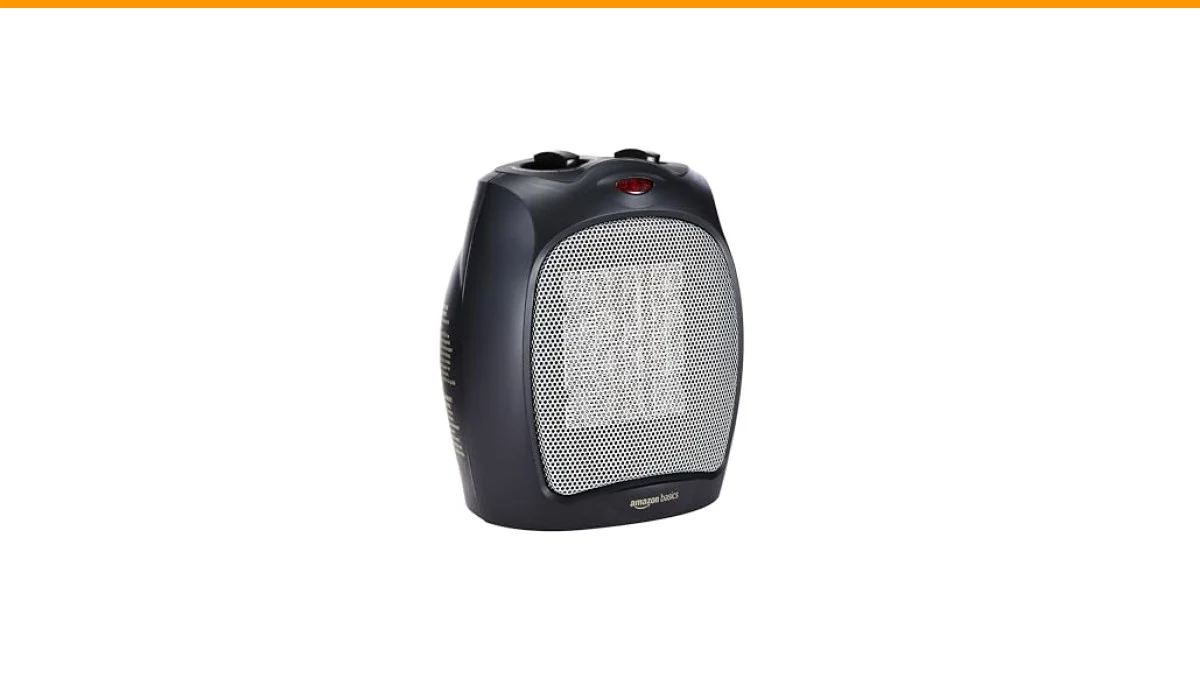
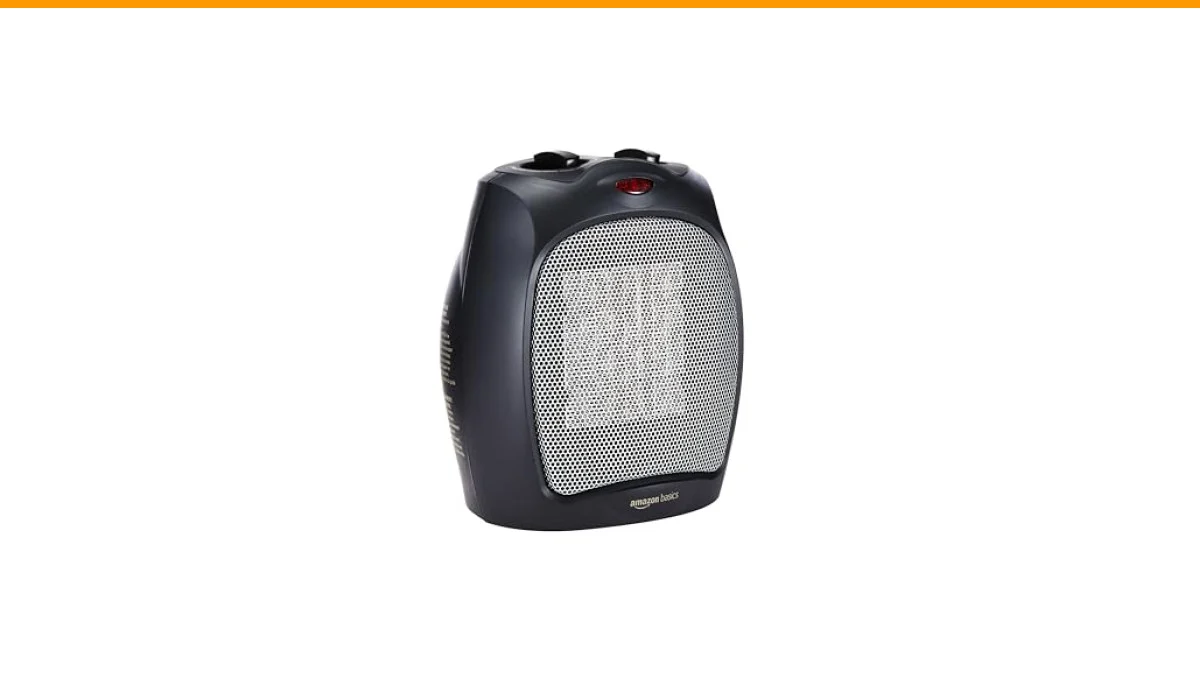
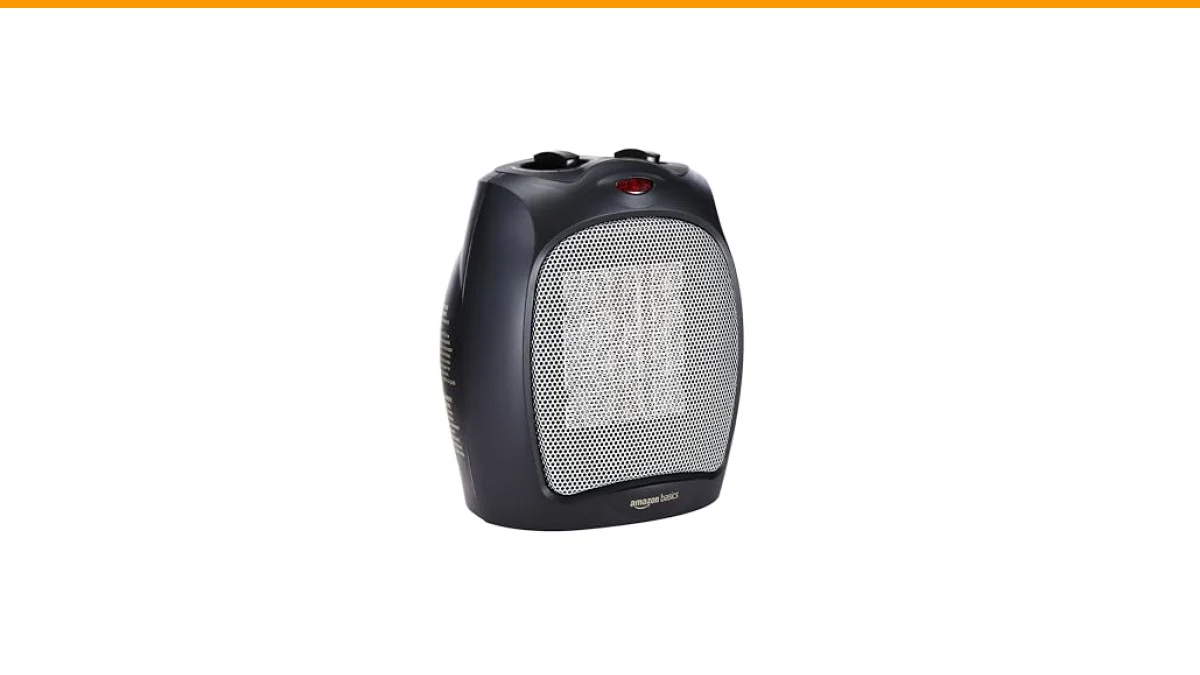
Amazon Basics Ceramic Space Heater, Portable Indoor Heating Solution, With Overheat and Tip-Over Protection, Thermostat, Non-Oscillating, 1500W, 7.52"D x 6.34"W x 9.45"H, Black
- CUSTOMIZABLE HEATING OPTIONS: Choose from three settings to suit your needs - High (1500W), Low (900W), or Fan Only for air circul…
- COMPACT & PORTABLE: Weighing just 3 lbs and sized at 7.5“L x 6.3”W x 9.5“H, this space heater is easy to move and perfect for your…
- Built-in Tip-Over Protection, Overheat Protection, and a Power Indicator Light for safe operation.
If you’re considering a ceramic heater, the Amazon Basics Ceramic Space Heater is a reliable option. It features customizable heating settings, ensuring you can adjust the warmth to your liking. Plus, its built-in safety features provide peace of mind while heating your space.
 Ceramic Vs Oil Heater – Which Saves More Money & Heat?Watch on YouTube
Understanding Energy Consumption
Ceramic heaters typically operate at power levels of 900W to 1500W. The energy cost can be calculated using the formula:
Cost = (Power in kW) x (Hours of Use) x (Electricity Rate)
For example, if you use a 1500W heater for 5 hours a day, and your electricity rate is $0.13 per kWh, the cost would be:
- 1500W = 1.5 kW
- Cost = 1.5 kW x 5 hours x $0.13 = $0.975 per day
Over a month, this totals approximately $29.25, assuming consistent daily use. This gives you a rough idea of running costs, but actual expenses may vary based on your local energy rates and heater efficiency.
Factors Influencing Costs
Several factors influence the overall cost of running a ceramic heater:
- Power Settings: Most ceramic heaters have multiple settings. Using a lower setting reduces energy consumption and costs.
- Room Size: The size of the room affects how long you need to run the heater. Larger spaces require more energy to heat efficiently.
- Insulation: Well-insulated rooms retain heat better, reducing the time and energy needed to maintain comfortable temperatures.
- Usage Patterns: If you only heat a room when in use, your costs will be lower compared to continuous operation.
Comparing Costs with Other Heating Options
To provide a better understanding of running costs, here’s a comparison of ceramic heaters with other common heating methods:
| Heating Method | Power Consumption (kW) | Cost Per Hour (at $0.13/kWh) | Typical Use |
|---|---|---|---|
| Ceramic Heater | 1.5 | $0.195 | 5-8 hours/day |
| Electric Furnace | 10 | $1.30 | Continuous |
| Gas Heater | Varies | $0.50-$1.00 | Varies |
| Central Heating | Varies | $0.15 – $0.25 | Continuous |
This table illustrates that ceramic heaters can be a cost-effective option for heating specific areas, especially when used strategically.
Frequently Asked Questions
How much does it cost to run a ceramic heater for a month?
Assuming a 1500W heater used for about 5 hours daily, the monthly cost is approximately $29.25, depending on your local electricity rates.
Are ceramic heaters energy-efficient?
Ceramic heaters are generally energy-efficient for spot heating. They heat up quickly and can maintain warmth in smaller spaces without excessive energy use.
Can I leave my ceramic heater on overnight?
While many ceramic heaters have safety features, it’s generally not recommended to leave them unattended for long periods, especially overnight.
What’s the difference between ceramic heaters and traditional heaters?
Ceramic heaters use ceramic plates to produce heat quickly and efficiently, while traditional heaters may rely on metal coils, which can take longer to warm up.
Do ceramic heaters use more electricity than other types?
Not necessarily. While ceramic heaters typically use about 1500W, their quick heating capability makes them efficient for smaller spaces compared to some traditional heating methods.
Final Considerations
- Ceramic heaters can provide effective spot heating with manageable costs.
- Using a heater on lower settings can significantly reduce energy consumption.
- Energy costs depend on usage patterns and local rates.
- Consider insulation and room size to optimize efficiency.
- Safety features in modern ceramic heaters enhance their reliability in daily use.
For more information on heating costs, check out this space heater cost guide.