Imagine stepping into your wooden sauna after a long week, ready to unwind in the warmth. The soothing heat envelops you, but something feels off. The air is dry, and the experience isn’t quite as relaxing as you envisioned. Proper humidity levels are crucial for enjoying the full benefits of a sauna. This article will guide you through the essential methods to regulate humidity levels inside a dry wooden sauna, ensuring a more enjoyable experience every time.
Understanding how to adjust humidity in your sauna can significantly enhance your relaxation time. You’ll learn about the ideal humidity levels, various methods to manage moisture, and tools that can help. One such tool is the Harvia Smart Sensor, which can turn traditional sauna heaters into smart systems, tracking temperature and humidity in real-time.
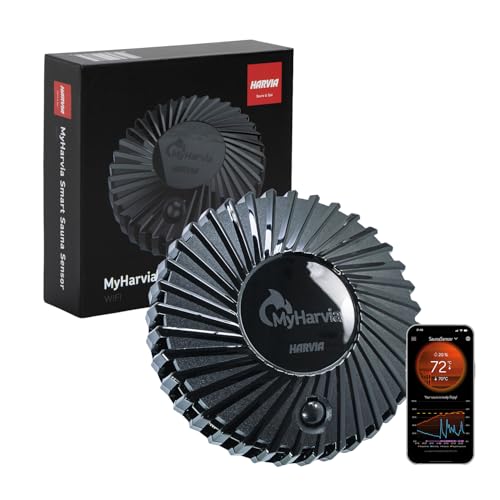
Harvia
Harvia Smart Sensor for Electric and Wood Burning Sauna Heaters | Adaptive Learning System, Integrates With Myharvia App, Controls Temperature, Humidity & Usage, For Electric & Wood Stoves
- Turn Any Heater Into a Smart System: The MyHarvia Smart Sensor is designed to turn your manual heaters into a smart system instant…
- Compatible with Electric & Wood Burning Sauna Heaters: The Smart Sensor works seamlessly with wood burning sauna stoves, tracking…
- Constantly Learning & Adapting: The Smart Sensor tracks your usage over time, to customize performance for optimized energy use, i…
Understanding Ideal Humidity Levels
First, it’s essential to know the ideal humidity levels in a sauna environment. For a traditional sauna, the humidity typically ranges from 10% to 20%. In contrast, steam saunas operate at about 100% humidity. A dry sauna, however, thrives at lower humidity levels, allowing for a different experience. The key is finding a balance that suits your preferences.
High humidity can make the room feel hotter than it is, while low humidity can lead to discomfort and dryness. Most sauna enthusiasts prefer a humidity level between 5% and 20%. This range allows for a comfortable atmosphere while still providing the therapeutic benefits of heat. Adjusting humidity levels can be done through various methods, which we’ll explore next.
Methods to Regulate Humidity
Several techniques can help manage humidity levels effectively:
1. Adding Water to Heater Rocks
One of the simplest ways to increase humidity is by pouring water over heated sauna rocks. This method is common in traditional saunas. Typically, a few cups of water will suffice to raise the humidity temporarily. However, be cautious not to overdo it, as too much water can lead to steam buildup, making the sauna feel uncomfortably hot.
2. Using a Humidity Control Device
Investing in a humidity control device allows for more precise management of humidity levels. The Harvia Smart Sensor is an excellent example. It monitors both humidity and temperature, sending alerts to your smartphone when adjustments are needed. This device learns your usage patterns and optimizes performance for a consistent sauna experience.
3. Ventilation Management
Proper ventilation can significantly impact humidity levels. A well-ventilated sauna allows for air exchange, which can help maintain a comfortable environment. If your sauna has vents, ensure they are positioned correctly to promote airflow. Open vents slightly to let in fresh air, which can help lower humidity if it becomes too high.
4. Incorporating Plants
Some sauna enthusiasts add plants to their sauna environment. While this isn’t a traditional method, certain plants can help regulate humidity. For instance, peace lilies or ferns can absorb excess moisture, providing a more balanced atmosphere. Just ensure they can withstand the heat and humidity levels present in your sauna.
Comparison of Humidity Regulation Methods
| Method | Pros | Cons |
|---|---|---|
| Adding Water to Rocks | Simple and effective | Temporary solution; risk of overheating |
| Using Humidity Control Device | Precise control; real-time monitoring | Initial investment required |
| Ventilation Management | Natural air flow; balances humidity | Requires setup; may not work in all saunas |
| Incorporating Plants | Natural aesthetics; improves air quality | Limited effectiveness; plant care needed |
Frequently Asked Questions
What is the ideal humidity level for a dry sauna?
The ideal humidity level for a dry sauna typically ranges from 5% to 20%. This range allows for a comfortable experience without excessive dryness or discomfort.
How can I increase humidity in my sauna quickly?
Add water to heated sauna rocks. A few cups of water poured over the rocks can raise humidity levels quickly. Monitor the temperature to avoid overheating.
Can I use a regular humidifier in a sauna?
No, regular humidifiers may not withstand the high temperatures in a sauna. Instead, opt for a sauna-specific humidity control device designed to function in such environments.
How does the Harvia Smart Sensor help with humidity control?
The Harvia Smart Sensor tracks temperature and humidity in real-time, sending alerts to your phone. It enables you to manage conditions more effectively, ensuring an optimal sauna experience.
What are the risks of high humidity in a sauna?
High humidity can lead to discomfort, difficulty breathing, and a feeling of overheating. It can also cause condensation, which may lead to mold growth if not managed properly.
Final Thoughts on Managing Humidity in Your Sauna
- Maintain humidity levels between 5% and 20% for the best experience.
- Use water on heated rocks for quick humidity boosts.
- Consider investing in a humidity control device like the Harvia Smart Sensor for ease of use.
- Ensure proper ventilation to balance humidity levels naturally.
- Monitor your sauna environment regularly to make necessary adjustments.
- Incorporate plants carefully if you want a natural touch.
- Enjoy your sauna sessions with the right humidity for a more effective relaxation experience.


