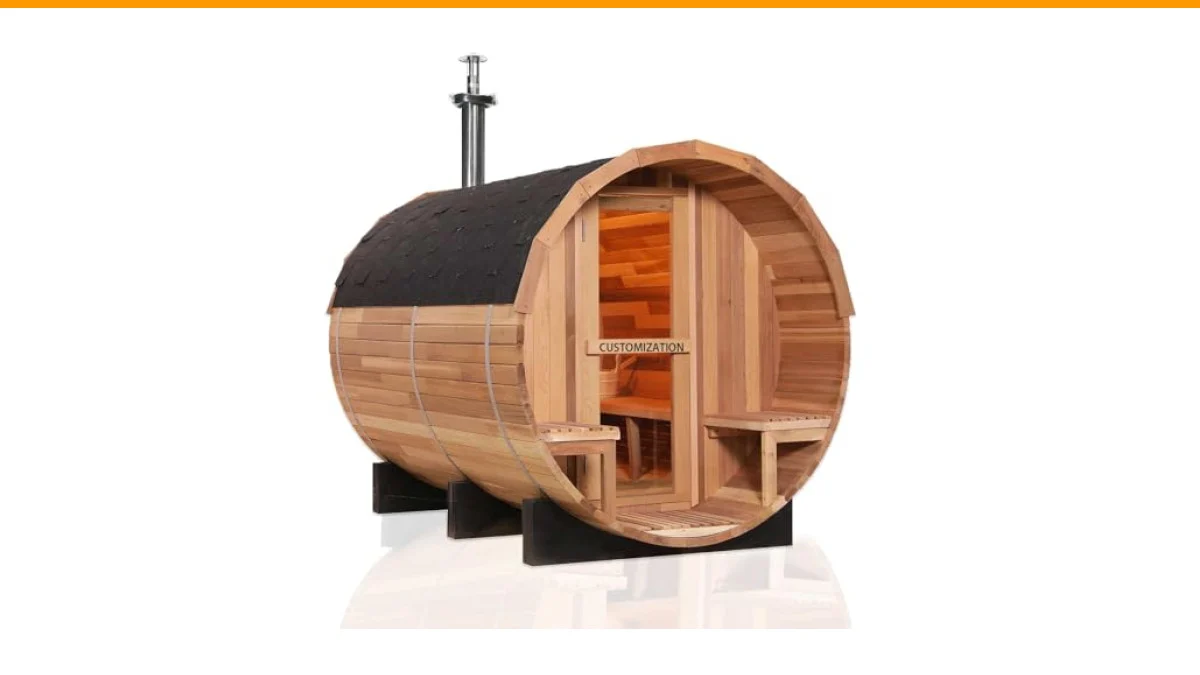
Imagine stepping into your newly built sauna, only to find that the lighting flickers and the heater struggles to maintain temperature. A well-planned electrical system is essential for any sauna setup. Routing electrical conduit inside framed sauna walls not only ensures safety but also enhances the overall functionality of the space. This guide will provide you with detailed steps and considerations for routing electrical conduit effectively within the walls of your sauna.
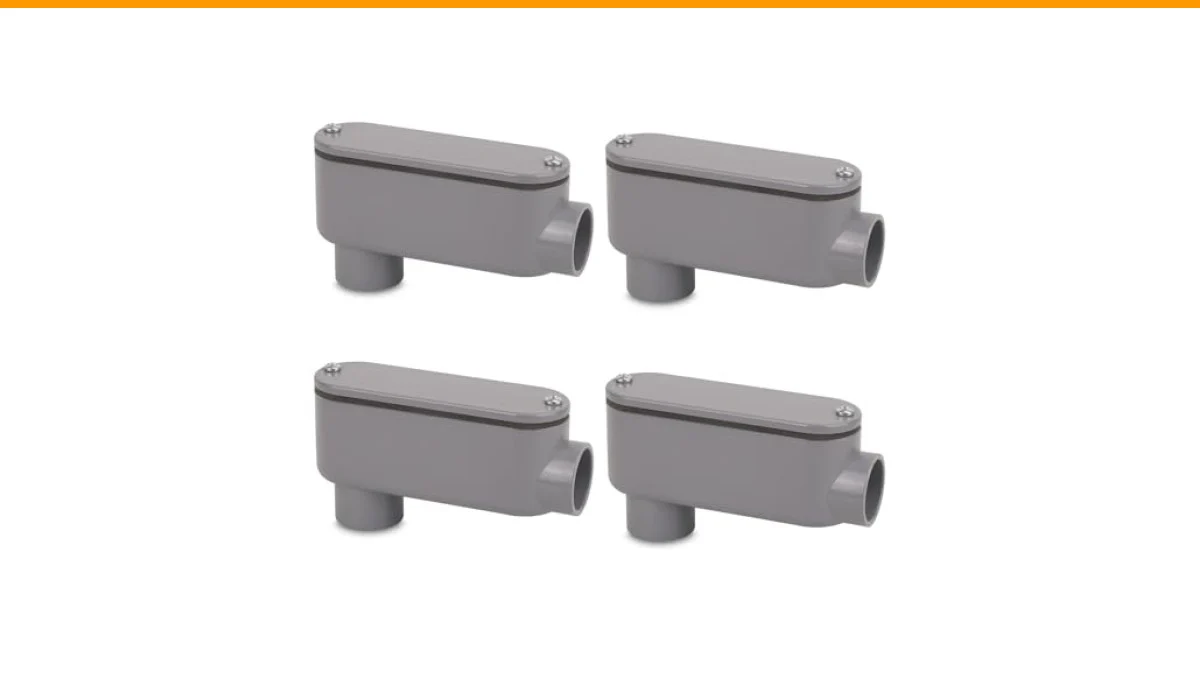
As you tackle this project, consider using products like the CKVIHAV 4Pack 3/4 Inch Rigid PVC Conduit Body Type LB. These conduit bodies are made from durable PVC material, making them suitable for the humid environment of a sauna. They simplify maintenance and installation due to their design, ensuring your electrical system remains reliable.

CKVIHAV
CKVIHAV 4Pack 3/4 Inch Rigid PVC Conduit Body Type LB, Slip x Slip PVC Conduit Bodies LB Type with Cover and Gasket, Gray
- Durable Material - These LB Type conduit bodies are made of rigid non-conductive PVC material, low temperature resistance, ultravi…
- Easy to Maintain & Install - LB design enables a 90-degree turn in conduit runs, providing easy access for pulling, splicing, or m…
- Efficient - LB Type Electrical conduit bodies flat back design simplifies mounting close to walls, optimizing space and installati…
Understanding the Basics of Electrical Conduit
Before starting your project, it’s essential to understand what electrical conduit is and why it’s necessary. Electrical conduit serves as protective tubing for electrical wiring. It protects wires from external damage and moisture, especially important in environments like saunas. In terms of materials, PVC and EMT (Electrical Metallic Tubing) are common choices.
- PVC: Lightweight, non-conductive, and resistant to moisture. Ideal for indoor and outdoor use.
- EMT: Metal conduit that offers superior protection against physical damage but is more challenging to install in moisture-prone areas.
Choosing the right conduit material is the first step in ensuring a safe electrical installation.
Planning Your Conduit Run
Proper planning can save time and prevent costly mistakes. Start by mapping out the layout of your sauna. Identify where electrical fixtures will be located, such as lights, heaters, and outlets. Consider the following:
- Distance: Measure the distance from the main electrical panel to the sauna.
- Height: Determine how high the conduit will run within the walls.
- Access Points: Plan for access points for future maintenance. This is where a conduit body like the CKVIHAV LB Type can be handy.
Use a pencil to mark your planned conduit run on the wall studs. This visual guide will help during installation.
Installing the Electrical Conduit
The installation process involves several steps. Follow these guidelines to safely route electrical conduit inside framed sauna walls:
- Cut the Conduit: Measure and cut the conduit to the desired lengths. Use a saw designed for the material you chose.
- Attach Conduit Bodies: Use conduit bodies like the CKVIHAV LB Type to allow for turns and junctions in your conduit run. This helps maintain a clean installation.
- Secure the Conduit: Use straps or clamps to secure the conduit to the wall studs. Ensure the conduit is level and doesn’t sag.
- Connect Wiring: Pull electrical wire through the conduit. Make sure to use wire rated for high temperatures, especially near heaters.
- Seal Openings: Use sealant around any openings to prevent moisture from entering the conduit.
Each of these steps plays a crucial role in ensuring the safety and functionality of your sauna’s electrical system.
Table: Comparing Conduit Types
| Conduit Type | Material | Moisture Resistance | Ease of Installation | Cost |
|---|---|---|---|---|
| PVC | Non-conductive plastic | High | Easy | Low |
| EMT | Metal | Moderate | Moderate | Medium |
| Rigid Metal | Steel | High | Hard | High |
| Flexible Conduit | Plastic or Metal | Variable | Easy | Medium |
Frequently Asked Questions
1. What type of conduit is best for a sauna?
PVC conduit is often the best choice due to its moisture resistance and ease of installation. It is non-conductive and can withstand the humid environment.
2. How do I calculate the amount of conduit needed?
Measure the total length of your conduit run, including any bends and turns. Add extra length for fittings and connections, typically about 10% more than your calculated run.
3. Can I install electrical conduit myself?
Yes, with proper planning and knowledge of electrical codes, you can install conduit yourself. Just ensure you follow local regulations and safety guidelines.
4. How do I maintain my sauna’s electrical conduit?
Regularly inspect the conduit for any signs of wear or moisture entry. Ensure all connections are tight and secure. Using conduit bodies that allow for easy access can simplify maintenance.
5. What are the safety regulations for electrical installations in saunas?
Always follow the National Electrical Code (NEC) or local building codes. Ensure all materials used are rated for high temperatures and moisture, particularly around heaters and fixtures.
Final Thoughts on Routing Electrical Conduit
- Choose the right conduit material based on your sauna’s environment.
- Plan your conduit layout carefully to avoid unnecessary turns and complications.
- Consider using conduit bodies like the CKVIHAV LB Type for easy access and maintenance.
- Follow safety regulations to ensure a safe electrical installation.
- Regularly inspect your installation to maintain its integrity over time.