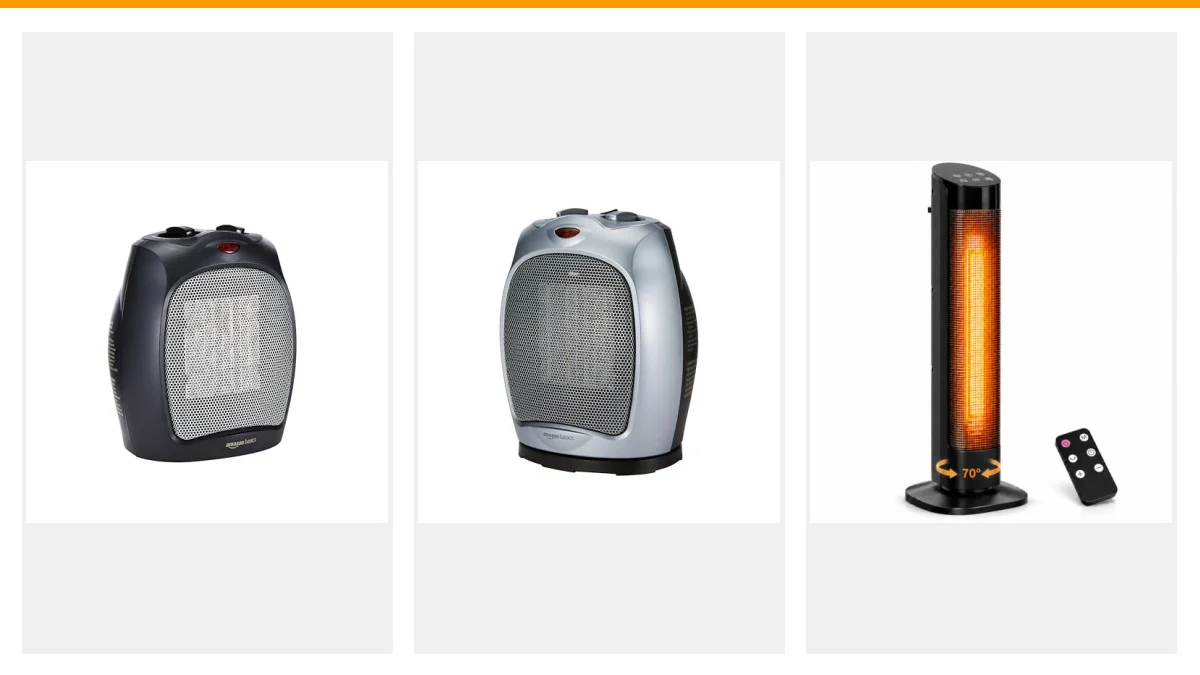
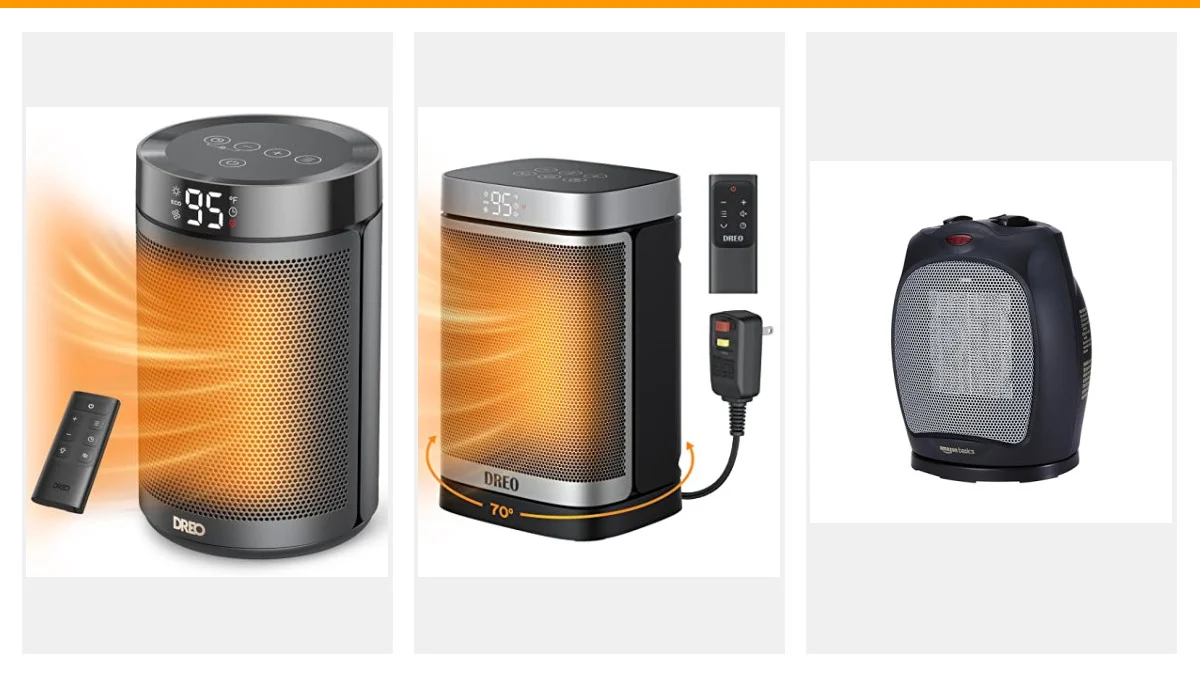
As winter approaches, many people find themselves relying on portable heating solutions to keep their homes warm. If you have a ceramic heater, you might wonder how to run it off a generator, especially during power outages or while camping. Whether you rely on a generator for emergency situations or for outdoor activities, this guide will equip you with the essential knowledge to run your ceramic heater safely and effectively.
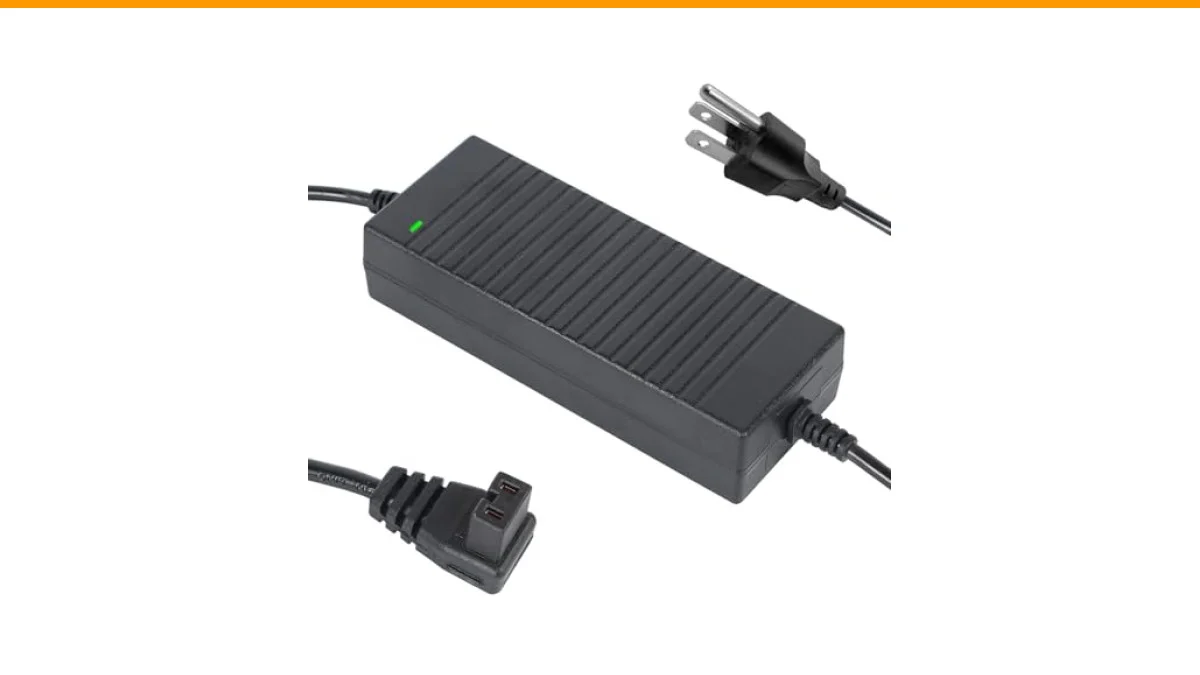
In this article, you’ll learn about the power requirements of ceramic heaters, the types of generators suitable for this purpose, and practical tips for connecting them. Additionally, we’ll introduce a product that can help facilitate this setup: the Diesel Air Heater Power Adapter for Hcalory. This power converter allows you to connect 12V diesel heaters to household power sources, making it a versatile option for RVs and mobile homes.

Fepinc
Diesel Air Heater Power Adapter for Hcalory, 110v-12v DC Power Converter | 8KW AC to DC Transformer Portable Power Adapter
- [Diesel Heater Power Converter]: This power converter for Hcaloryd parking heaters effortlessly connects 12V diesel heaters to hou…
- [Versatile Design]: Perfectly suited for RVs, mobile homes, and garages, delivering stable 12V output. Completely solves power con…
- [Simple Choice]: An additional power adapter ideal for those who frequently move their heater. Keep one in your vehicle for easier…
 🥶 Van Life: Can I run a ceramic heater on a Jackery or Goal Zero? (Space heaters, electric heaters)Watch on YouTube
Understanding Power Requirements
Ceramic heaters vary in wattage, typically ranging from 750 watts to 1,500 watts. To run a ceramic heater from a generator, you need to ensure that the generator can provide sufficient power. A generator’s output is measured in watts, so knowing the wattage of your heater is crucial.
For example, if you have a 1,500-watt ceramic heater, you’ll need a generator that can handle at least that much power. However, it’s advisable to have a generator with a higher output to accommodate starting surges. Many ceramic heaters have a higher startup wattage than their running wattage, so a generator with a 2,000 to 3,000-watt capacity is a safer choice.
Choosing the Right Generator
When selecting a generator to power your ceramic heater, consider the following types:
- Portable Generators: These are commonly used for home backup and outdoor activities. They are easy to transport and can provide enough power for a ceramic heater.
- Inverter Generators: These are quieter and provide clean power, making them an excellent choice for sensitive electronics, though they may be more expensive.
- Standby Generators: These are permanently installed and provide a seamless power supply during outages. However, they are not portable and can be costly.
Connecting Your Heater to the Generator
Connecting your ceramic heater to a generator involves a few steps:
- Choose the Right Extension Cord: Use a heavy-duty extension cord rated for outdoor use. The cord should be able to handle the wattage of your heater.
- Switch Off the Heater: Before connecting anything, make sure the heater is turned off.
- Connect the Extension Cord: Plug the extension cord into the generator’s outlet and then connect it to the ceramic heater.
- Start the Generator: Follow the manufacturer’s instructions to start the generator. Once it’s running, turn on your ceramic heater.
Remember to monitor both the generator and heater during operation to ensure everything is functioning properly.
Power Options Comparison
| Generator Type | Advantages | Disadvantages |
|---|---|---|
| Portable Generators | Lightweight, easy to transport, affordable | Noise level can be high, fuel consumption may vary |
| Inverter Generators | Quiet, fuel-efficient, clean power | Higher initial cost, lower power output compared to portable generators |
| Standby Generators | Automatic power restoration, reliable | Expensive, requires installation, not portable |
FAQs about Running a Ceramic Heater Off a Generator
1. Can I use any generator to power my ceramic heater?
No, you need a generator that can provide enough wattage to meet or exceed the heater’s requirements. A generator rated between 2,000 and 3,000 watts is typically recommended for a 1,500-watt ceramic heater.
2. How do I know if my generator can handle the heater?
Check the wattage rating on both the generator and the heater. Ensure the generator’s output is higher than the heater’s startup and running wattage.
3. Can I run multiple ceramic heaters off one generator?
Yes, but ensure the combined wattage of all heaters does not exceed the generator’s capacity. It’s wise to consider a margin above the total wattage for safety.
4. What should I do if my generator overloads?
If your generator overloads, it will likely shut down automatically. Disconnect the heater and reduce the load before restarting the generator.
5. Are there any safety concerns when using a generator with a heater?
Yes, always operate the generator outdoors to avoid carbon monoxide buildup. Ensure proper ventilation and never run a generator indoors or in enclosed spaces.
Final Thoughts on Running a Ceramic Heater Off a Generator
- Understand your ceramic heater’s power requirements.
- Choose a generator with a sufficient wattage rating.
- Use a heavy-duty extension cord for safe connections.
- Monitor both the heater and generator during operation.
- Consider using a power adapter like the Diesel Air Heater Power Adapter for more versatility.
- Always prioritize safety and ventilation when operating a generator.
- Check your generator regularly for maintenance.
With the right setup, you can effectively run a ceramic heater off a generator, keeping your space warm and comfortable during cold weather or power outages.