Understanding Heating Elements
Heating elements play a critical role in a variety of appliances, from ovens and toasters to water heaters and space heaters. When they fail, appliances can stop functioning, leading to frustration and inconvenience. Knowing how to test a heating element effectively can save you time, money, and the hassle of unnecessary repairs or replacements.
This guide will equip you with the knowledge to test a heating element using straightforward methods. You’ll learn when and how to test, the tools required, and what results to expect. After reading, you’ll feel confident tackling this task safely and efficiently.

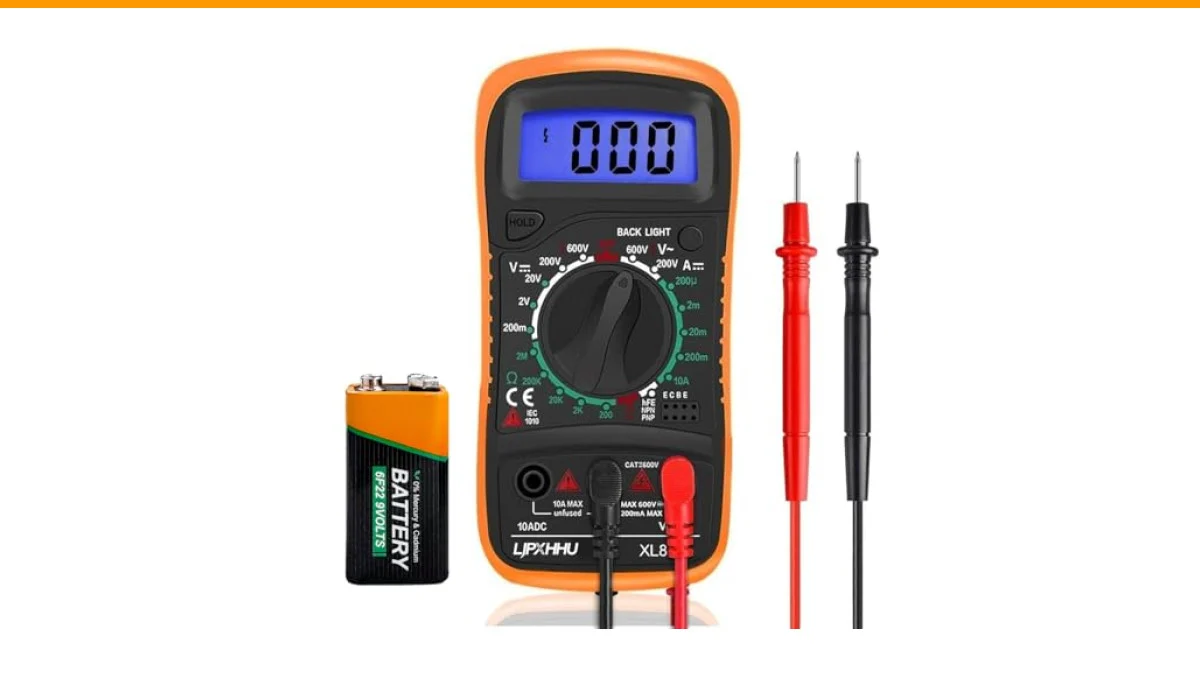
LJPXHHU
Digital Multimeter Voltmeter Battery Voltage Multi Tester Continuity Ohm Volt Amp DC AC Current Resistance Diodes 2000 Counts Electrical Test Meter with Leads Backlight LCD Display
- Accurately Test Full Features: Accurately measures AC/DC voltage, DC current, resistance, continuity test, diode and batteries.
- High Quality & Safety :Our multimeter is designed to safely and accurately troubleshoot a variety of automotive and household elec…
- EASY TO USE: 2.7"Large Backlit LCD Display, Data Hold, Easy to Read Large Back-light Screen forvisibility in dimly light areas. Ou…
For accurate testing, a reliable multimeter is essential. The Digital Multimeter Voltmeter by LJPXHHU is a great choice. It measures AC/DC voltage, resistance, and continuity, making it ideal for testing heating elements. It features overload protection and a large backlit display, ensuring ease of use and safety.
When to Test a Heating Element
Testing a heating element is crucial when you notice signs of malfunction. Common indicators include:
- The appliance is not heating at all.
- Inconsistent heating or overheating.
- Unusual noises during operation.
- Burning smells or visible damage.
If you experience any of these issues, it’s time to test the heating element.
Tools Needed for Testing
You’ll need a few tools before you start testing your heating element:
- Digital Multimeter: This tool measures voltage, resistance, and continuity. The LJPXHHU model mentioned above is especially user-friendly.
- Screwdriver: To remove the appliance cover if needed.
- Safety Gear: Safety glasses and gloves to protect yourself during testing.
Step-by-Step Testing Procedure
Follow these steps to test a heating element effectively:
- Unplug the Appliance: Always ensure safety first. Disconnect the appliance from the power source to avoid electric shock.
- Access the Heating Element: Use a screwdriver to remove any covers obstructing access to the heating element.
- Set the Multimeter: Turn your multimeter to the resistance (ohms) setting.
- Test the Element: Place the multimeter probes on the terminals of the heating element. A reading between 10 to 50 ohms typically indicates a functional element. If the reading is infinite, the element is likely faulty.
- Check Continuity: Switch the multimeter to the continuity setting. Touch the probes to the terminals again. If the multimeter beeps, the element is good. No beep indicates a broken element.
Testing Results: What They Mean
Interpreting your multimeter readings is key:
- Normal Resistance: A reading of 10 to 50 ohms generally means the heating element is fine.
- Infinite Resistance: This suggests a break in the element, indicating it needs replacement.
- No Continuity: If there’s no beep, the circuit is open, and the element is faulty.
Comparison of Testing Methods
| Method | Tools Required | Accuracy | Ease of Use |
|---|---|---|---|
| Multimeter Testing | Digital Multimeter | High | Moderate |
| Visual Inspection | None | Low | Easy |
| Professional Diagnosis | Advanced Tools | Very High | Difficult |
Frequently Asked Questions
1. How do I know if my heating element is bad?
If the element shows infinite resistance or no continuity, it’s likely faulty. Look for physical signs like burns or breaks as well.
2. Can I test a heating element while it’s still connected?
Testing while connected can be dangerous. Always unplug the appliance to ensure safety before testing.
3. What should I do if my heating element is faulty?
If your heating element is faulty, it’s best to replace it. Refer to the appliance manual for the correct replacement part.
4. How often should I test my heating elements?
Testing isn’t usually necessary unless you notice performance issues. Regular maintenance checks can help prolong the lifespan.
5. Can a faulty heating element be repaired?
In most cases, it’s more cost-effective to replace a faulty heating element rather than attempt repairs.
Final Thoughts
- Test heating elements when appliances show signs of malfunction.
- Use a reliable multimeter for accurate readings.
- Normal resistance indicates a functional heating element.
- Replace elements showing infinite resistance or no continuity.
- Always prioritize safety by unplugging appliances before testing.
- Regular checks can catch issues early and prevent appliance failure.
- Consider professional evaluation if you’re unsure about testing or replacement.



