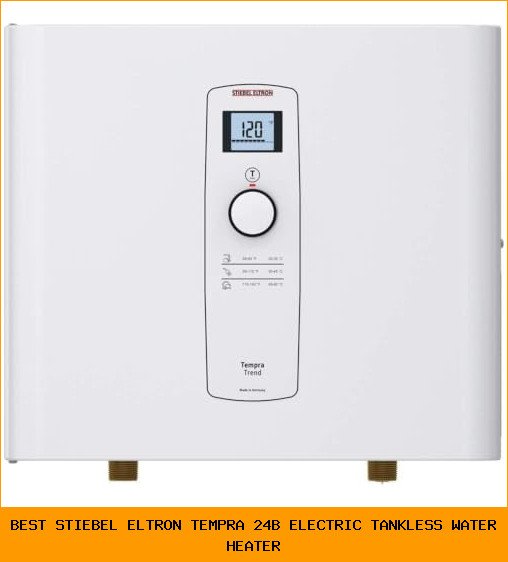
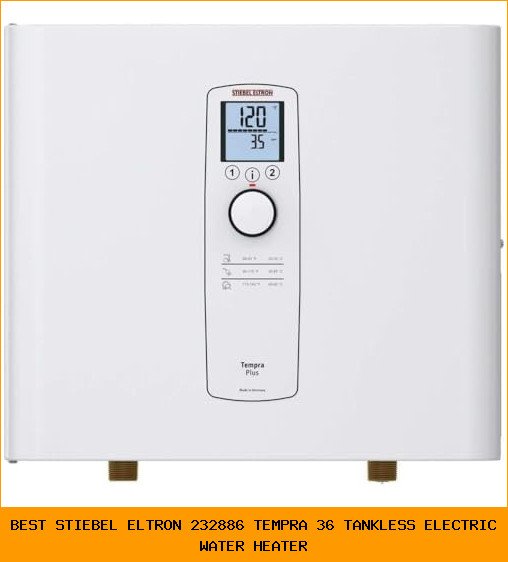
You just had a tankless water heater installed. You expected endless hot showers. Instead, you stand in the stream and watch it trickle out. The shower head feels like a drizzle. The kitchen faucet takes forever to fill a pot. It’s frustrating, and you are not alone.
Most people blame the heater itself. But here is the truth: a tankless water heater does not create water pressure. It does not pump water. It only heats the water that flows through it. If the pressure is weak, the problem is almost always upstream or downstream of the unit. By the end of this article, you will know exactly where to look and what to fix — plus when a small pressure tank can help.

Waterdrop
Waterdrop PMT Small Water Pressure Tank, Compatible with Tankless RO System | Fits All 1/4" & 3/8" Water Tubing Undersink RO Filter, Mini Reverse Osmosis Storage Tank for D6 & G2 & T3 & T4
- [Convenient Installation] The user manual provides simple instructions on how to install this water pressure tank. You get a 1/4"…
- [Quick-fitting leakag] After installation, please confirm if PE pipe is cut smoothly. If not, cut the tubing squarely and cleanly.…
- [Leakage between ball valve and the tank] Please check if there is a washer connecting the ball valve, if not, please contact us f…
I have diagnosed dozens of these setups. Some fixes are dead simple. Others require a plumber. All of them start with understanding the difference between flow rate and pressure.
One practical tool that can help in certain situations is the Waterdrop PMT Small Water Pressure Tank. It is a compact inline tank designed for tankless RO systems, but it can also smooth out minor pressure dips caused by a long pipe run or a restrictive valve. It does not boost pressure on its own, but it adds a small buffer volume that reduces the sharp pressure drop when multiple fixtures run at once. Check the current price on Amazon to see if it fits your setup.

Myth #1: A Higher GPM Heater Fixes Low Pressure
This is the most common mistake I see. People buy a tankless heater rated for 10 GPM, thinking more flow equals more pressure. It doesn’t work that way.
Pressure is measured in PSI (pounds per square inch). Flow rate is GPM (gallons per minute). A heater’s GPM rating tells you the maximum hot water it can deliver at a given temperature rise. If your incoming water pressure is 40 PSI, a 10 GPM heater will still only deliver 40 PSI — just at a higher possible flow. But if your shower head runs at 2 GPM and the heater supplies 6 GPM, the bottleneck is not the heater.
Check your static pressure with a cheap gauge screwed onto an outdoor spigot or washing machine valve. If it’s below 40 PSI, the heater is not the problem. The fix is a pressure-boosting pump or a call to your water utility. If static pressure is fine (50-80 PSI), the pressure drop is happening somewhere else.
Myth #2: You Can Just Crank Up the Thermostat to Get More Flow
I hear this one a lot. “Set the heater to 140°F so it mixes with more cold water — that increases flow.” The logic sounds plausible but misses how tankless heaters work.
Tankless units limit flow to maintain the set temperature rise. If you raise the set point, the heater actually restricts flow to achieve that higher temperature. The result? Less hot water coming out, not more. You get scalding-hot water at a trickle. Bad trade.
If you want more flow, lower the set point slightly — say from 120°F to 110°F. The heater can then pass more gallons per minute because the temperature rise from the incoming ground water (typically 50-60°F) is smaller. That actually increases the flow rate. But pressure? Still unchanged. You are just using more hot water at a lower temperature.
The Real Culprits: Pipe Size, Valves, and Flow Restrictors
Now we get to the practical stuff. Here are the three things that actually cause low pressure with tankless heaters, in order of likelihood.
1. Undersized Gas or Water Supply Lines
Tankless heaters need a lot of gas — often 150,000 to 200,000 BTU. If the gas line is too small or too long, the heater starves and modulates down. You get lukewarm water and reduced flow because the unit cannot maintain the temperature rise. A plumber can check gas line sizing against the manual’s specs.
On the water side, 1/2-inch copper pipe is too small for most tankless heaters. A 3/4-inch line from the main to the heater is the minimum. If you have a long run (over 50 feet), 1-inch pipe is better. Pressure drop through a small pipe at high flow rates is dramatic. Replace the pipe if needed.
2. Partially Closed Valves or Restrictive Fittings
Check every shutoff valve between the main and the heater. Ball valves should be fully open (handle parallel to the pipe). Gate valves sometimes break internally and look open but are not. Also check the isolation valves on the heater itself — some installers forget to open them fully.
A common hidden restriction is the inlet filter screen inside the heater. Tankless units have a small mesh filter to catch debris. It can clog in weeks if you have sediment in your water. Turn off the water, unscrew the inlet, pull out the screen, and rinse it. That alone can restore full flow.
3. Flow Restrictors in Fixtures
Shower heads and faucet aerators often have flow restrictors rated at 1.5 GPM or less. With a tankless heater that can supply 6 GPM, the restrictor becomes the bottleneck. Remove the restrictor (look for a small plastic disc inside the shower arm or aerator). If you want to save water without killing pressure, try a 2.0 GPM restrictor instead of a 1.5.
When a Small Pressure Tank Actually Helps
Most pressure tanks are used with well systems or storage tanks. But for tankless heaters on city water, a small diaphragm tank like the Waterdrop PMT can help in one specific scenario: when you have a long hot water recirculation loop or a long pipe run from the heater to the fixture.
Picture this: you turn on the shower. Cold water in the pipe must get pushed out before hot water arrives. During that push, the heater fires up, but the flow is interrupted by air pockets or water hammer. A small tank absorbs that shock and provides a steady pressure spike when the faucet opens. It does not boost static pressure, but it reduces the momentary pressure dip that makes the flow feel weak at startup.
It is not a miracle cure. If your static pressure is 35 PSI, you need a booster pump, not a tank. But if pressure is fine and you just want smoother startup and less fluctuation when a toilet flushes, the tank is a clean fix.
Comparison of Common Pressure Fixes
| Solution | Typical Cost | Pressure Increase | Skill Level | Best For |
|---|---|---|---|---|
| Clean inlet filter screen | Free | Up to 20 PSI recovery | Beginner | Clogged screen after install |
| Replace undersized pipe (1/2″ -> 3/4″) | $150 – $400 | 10–30 PSI at high flow | Pro | Long runs or old buildings |
| Remove fixture flow restrictors | Free | Feels 2x stronger | Beginner | Shower head / faucet only |
| Install pressure booster pump | $200 – $600 | 15–40 PSI boost | Pro | Low incoming pressure (<40 PSI) |
| Waterdrop PMT pressure tank | Check Amazon | Smoothers dips, not raw PSI | Intermediate | Long pipes, multi-fixture surges |
Frequently Asked Questions
Can I install a whole-house pressure booster on a tankless heater?
Yes, but put the booster pump before the heater, not after. Most tankless heaters have a maximum inlet pressure of 150 PSI. A booster pump rated for 60–80 PSI output is safe. Make sure the pump’s flow rate at that pressure exceeds the heater’s minimum activation flow (usually 0.5 GPM). Otherwise the heater may not fire up.
Will a larger gas line give me more water pressure?
No. Gas line size affects the heater’s ability to reach temperature, not water pressure. If the heater is starving for gas, it may throttle down flow because it cannot maintain the temperature rise. That reduces hot water flow, but pressure at the fixture stays the same (just cold water mixes in). Fix the gas line if the water runs lukewarm at high flow.
Does a recirculation pump reduce pressure?
It can. A recirculation pump that is too powerful can create backpressure and reduce the available pressure at the fixture. A small pump rated for 3–5 GPM is usually fine. Also check that the check valve in the recirc loop is not sticking closed, which blocks flow.
My pressure is fine at one faucet but weak at another — what gives?
This points to a local restriction. Start with the aerator and supply line under that specific sink. Unscrew the supply line and check for a kinked braided hose or a partial clog from debris. Also check the angle stop valve — some cheap quarter-turn valves have a very small internal opening (3/8 inch). Replace it with a full-port valve.
Will a water softener help with pressure?
Not directly, but indirectly yes. Hard water causes scale buildup inside the heater’s heat exchanger. Scale narrows the flow path and reduces both flow and pressure over time. If your heater is a few years old and the pressure has dropped gradually, descaling it (vinegar or citric acid flush) can recover lost flow. A softener prevents future scale but won’t fix an already clogged unit.
Things You Can Do Right Now
- Screw a pressure gauge onto a hose bib and check static pressure. Below 40 PSI? Call the utility or budget for a booster pump.
- Turn off the heater, unscrew the inlet union, and rinse the internal screen. You will be surprised how much grit can collect in six months.
- Remove every shower head and faucet aerator. Pop out the plastic flow restrictor. Keep the rubber washer. Reassemble and test.
- Measure the length and diameter of the water line from the main shutoff to the heater. If it’s 1/2-inch copper and over 25 feet, upgrade to 3/4-inch.
- If you get pressure drops when another fixture opens, consider the Waterdrop PMT small pressure tank. It can buffer those dips without a major re-pipe.
- Look for a simple ball valve that is only partially open. Fully open means the handle is parallel to the pipe. A valve at 45 degrees is restricting flow by roughly 50%.
- Call a plumber if you suspect a gas line undersizing — that is not a DIY repair and can be dangerous.