Introduction
Winter can be harsh, and many people turn to space heaters for warmth. Imagine coming home after a long day in the cold, greeted by a cozy, warm room. However, this comfort can come with risks if space heaters aren’t used properly. Every year, thousands of fires are attributed to improper space heater use, which makes understanding how to use a space heater safely paramount.
This article provides comprehensive guidelines on safe space heater usage. By the end, you’ll know how to minimize risks and maximize warmth effectively. You’ll also find practical tips that can be applied immediately to ensure safety in your home or office.

Generic
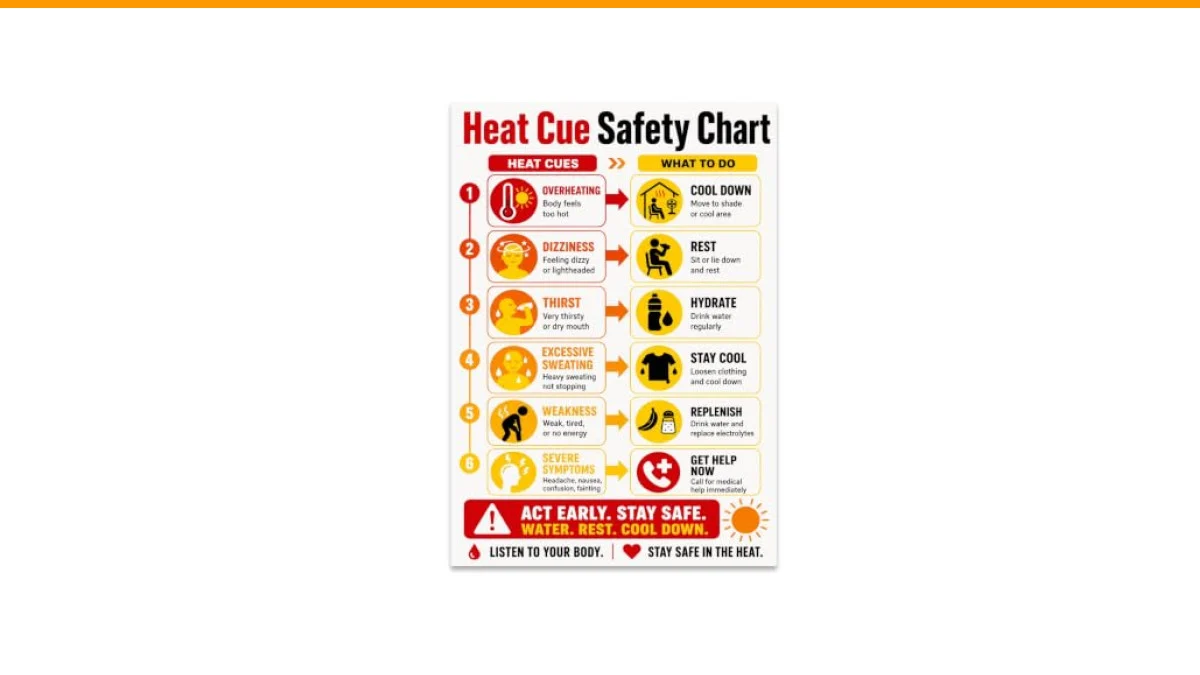
Heat Illness Guide Poster - Clear Safety Chart for Quick Reference - 13x19 | Heat illness safety chart with warning signs and response reminders for classrooms, offices, gyms, and training spaces.
- HEAT-ILLNESS WARNING SIGNS: Highlights key cues such as overheating, dizziness, thirst, excessive sweating, weakness, and severe s…
- GENERAL RESPONSE REMINDERS: Supports heat-safety awareness with visual action cues for cooling down, resting, hydrating, and seeki…
- WORKPLACE & CLASSROOM SAFETY TOOL: Useful for offices, schools, gyms, studios, hallways, training areas, and other shared environm…
For those looking to enhance their safety awareness further, consider the Heat Illness Guide Poster. This clear safety chart highlights essential warning signs and responses related to heat illness, making it a valuable addition to any workplace or classroom, helping to ensure a safe environment.
Understanding Space Heater Types
Space heaters come in various types, each with unique features and safety considerations. Here’s a closer look at some common types:
- Convection Heaters: These heaters warm the air, which then circulates throughout the room. They are effective for larger areas but can take longer to heat up.
- Radiant Heaters: Designed to emit infrared radiation, these heaters provide immediate warmth to objects and people in their line of sight. They are ideal for spot heating.
- Oil-Filled Radiators: These heaters use oil as a heat reservoir, offering long-lasting warmth even after being turned off. They are typically safe but can take time to heat up initially.
- Fan-forced Heaters: These models use a fan to distribute warm air quickly. They are effective for immediate heating but can be noisy.
Choosing the right type of space heater can influence not only heating efficiency but also safety. Each type has specific safety features, so be sure to read the product specifications when selecting.
Key Safety Tips for Space Heater Use
Using a space heater safely involves several best practices. Here are the essential guidelines:
- Keep Clearances: Maintain a safe distance between the heater and any flammable materials such as curtains, furniture, or bedding. A three-foot clearance is recommended.
- Use on Flat Surfaces: Always place space heaters on a stable, flat surface to prevent tipping. Avoid using them on uneven or soft surfaces like beds or carpets.
- Choose Models with Safety Features: Look for heaters with features like automatic shut-off, tip-over protection, and overheat protection. These can significantly reduce the risk of accidents.
- Never Leave Unattended: Turn off the heater when you leave the room or go to sleep. Unattended heaters pose a significant fire risk.
- Use Properly Rated Electrical Outlets: Plug space heaters directly into a wall outlet. Avoid using extension cords or power strips, which can overheat and cause fires.
Common Misconceptions About Space Heaters
No, More Watts Doesn’t Mean Better Heating
A common belief is that a higher wattage always means better heating. While wattage does indicate how much electricity a heater uses, it doesn’t necessarily equate to efficiency or effectiveness in heating a space. An efficient heater can produce more heat with fewer watts, depending on its design. Look for heaters that offer good heat output relative to their wattage.
Not All Space Heaters Are Noisy
Some people think all space heaters are noisy. While fan-forced heaters can be loud, many radiant and oil-filled heaters operate quietly. If noise is a concern, consider models specifically designed for quiet operation, particularly if you plan to use them in a bedroom.
Comparing Space Heater Features
| Feature | Convection Heaters | Radiant Heaters | Oil-Filled Radiators | Fan-Forced Heaters |
|---|---|---|---|---|
| Heating Speed | Moderate | Fast | Slow | Fast |
| Noise Level | Low | Very Low | Low | Moderate |
| Portability | Moderate | High | Low | High |
| Safety Features | Varies | Varies | High | Varies |
| Heating Type | Air | Infrared | Radiant | Air |
FAQs About Using Space Heaters Safely
Can I leave a space heater on overnight?
It’s not recommended to leave a space heater on while you sleep. Always turn it off before going to bed to avoid fire hazards.
What is the safest type of space heater?
Oil-filled radiators are often considered the safest due to their stable design and built-in safety features like overheat protection.
How can I tell if my space heater is malfunctioning?
Signs of malfunction include strange noises, unusual smells, or if it fails to heat properly. If you notice these signs, disconnect the heater and have it inspected.
Is it safe to use a space heater in a bathroom?
Using space heaters in bathrooms is generally not advised due to the risk of electric shock. If necessary, choose a heater specifically designed for bathroom use, but always follow safety guidelines.
How often should I check my space heater for safety?
Inspect your space heater before each use. Look for frayed cords, dust buildup, and any signs of wear. Regular maintenance ensures safe operation.
Final Safety Reminders
- Maintain a three-foot clearance from flammable materials.
- Use on stable, flat surfaces only.
- Look for models with tip-over and overheat protection.
- Always unplug when not in use.
- Check electrical outlets for proper voltage.
- Regularly inspect your heater for defects.
- Educate others in your household about safe heater use.



