Imagine the joy of sinking into warm, bubbling water after a long day. Your inflatable hot tub is a haven of relaxation, but maintaining its water quality can feel overwhelming. Many first-time owners find themselves puzzled by the array of chemicals available. What do you really need? How do you ensure the water remains clean, clear, and safe for soaking? This guide will clarify the essentials of maintaining your inflatable hot tub, focusing on the importance of a chemical starter kit.
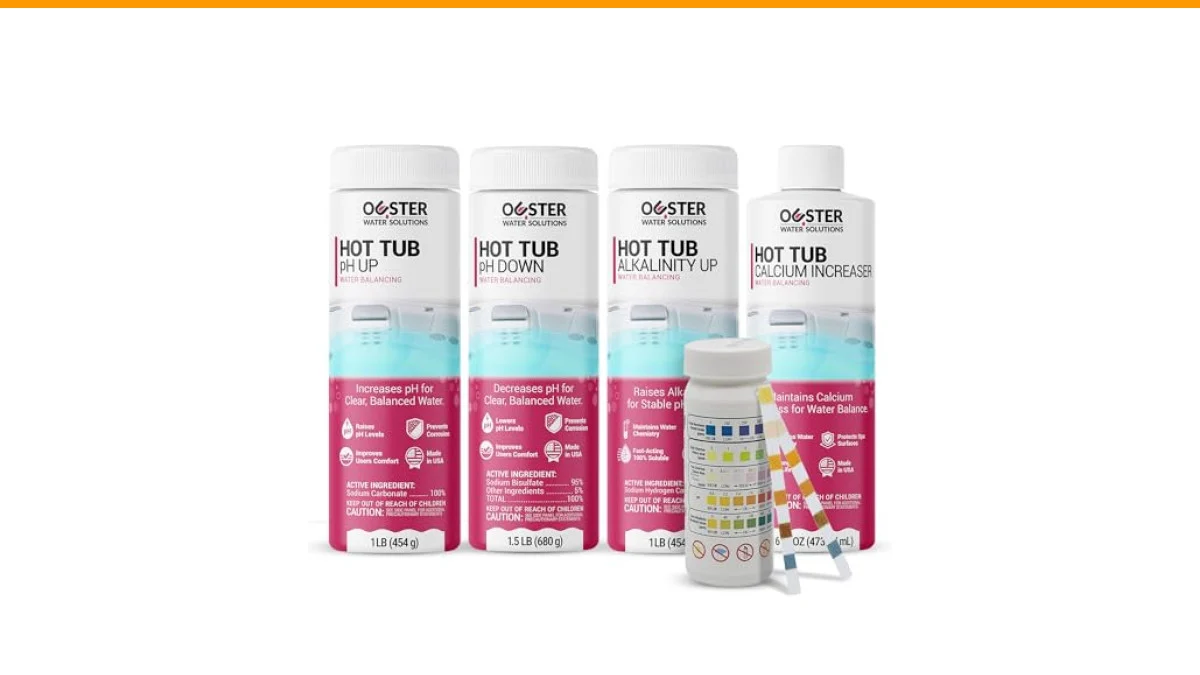
With a proper approach to water care, you can extend the life of your hot tub and enhance your bathing experience. You’ll learn about the critical chemicals required for balancing the water, how to use them effectively, and the benefits of having a reliable starter kit. For those who want a straightforward solution, the Bio Ouster Hot Tub Water Balancing Kit offers all the necessary components, including pH Up, pH Down, and more, to simplify this process.
Understanding Water Chemistry in Your Hot Tub
Water chemistry is the foundation of a safe and enjoyable hot tub experience. The primary factors to consider are pH levels, alkalinity, and calcium hardness. Each of these elements plays a unique role in maintaining water clarity and comfort.
pH Levels
The pH level indicates how acidic or alkaline the water is. Ideally, you want to maintain a pH level between 7.2 and 7.8. Water that is too acidic (below 7.2) can cause skin irritation and damage to the hot tub’s components. Conversely, water that is too alkaline (above 7.8) can lead to cloudy water and scale buildup. Regular testing is crucial. Consider using the test strips included in kits like the Bio Ouster set for straightforward pH monitoring.
Alkalinity
Alkalinity acts as a buffer for pH levels. It helps stabilize the pH, preventing fluctuations that can lead to discomfort. A total alkalinity level between 80 and 120 ppm (parts per million) is ideal. If your alkalinity is too low, you may experience rapid pH changes, while high alkalinity can make it difficult to adjust pH levels. Use the alkalinity increaser from a starter kit to correct imbalances.
Calcium Hardness
Calcium hardness refers to the concentration of calcium in the water. This factor is vital for preventing corrosion of hot tub equipment and ensuring comfort while soaking. The recommended calcium hardness level is between 150 and 250 ppm. Water that is too soft (low calcium) can lead to corrosion, while hard water can cause scale buildup. A calcium hardness increaser, also included in starter kits, can help maintain this balance.
Choosing the Right Chemicals for Your Hot Tub
When it comes to maintaining your inflatable hot tub, having the right chemicals is key. A chemical starter kit simplifies this process by providing essential components. Here’s a breakdown of the main ingredients you’ll typically find in a quality kit:
| Chemical | Purpose | Usage Frequency |
|---|---|---|
| pH Up | Raises pH levels | As needed, based on test results |
| pH Down | Lowers pH levels | As needed, based on test results |
| Alkalinity Increaser | Stabilizes pH levels | As needed, based on test results |
| Calcium Hardness Increaser | Increases calcium levels | As needed, based on test results |
| Test Strips | Monitors pH, alkalinity, and calcium | Weekly |
Using a kit like the Bio Ouster Hot Tub Water Balancing Kit means you have all these essential chemicals at your fingertips. This convenience is particularly helpful for beginners who may feel overwhelmed by the number of products available.
Maintaining Your Hot Tub Water Quality
Once you’ve balanced your hot tub water, maintaining its quality is the next step. Regular testing and adjustments ensure a pleasant soaking experience.
Regular Testing
Testing your water at least once a week is a good practice. This includes checking pH, alkalinity, and calcium hardness. The test strips included in your starter kit provide quick and accurate readings, allowing you to make necessary adjustments promptly.
Shocking the Water
Shocking your hot tub water refers to adding a high dose of sanitizer to eliminate contaminants. This step is crucial after heavy use or if the water appears cloudy. Regular shocking can help maintain water clarity and prevent bacteria growth. Check your kit for recommended shock treatments compatible with your sanitizer of choice.
Cleaning the Filter and Cover
A clean filter is essential for clear water. Depending on usage, clean or replace the filter every 2-4 weeks. Additionally, ensure the hot tub cover is free from debris. A dirty cover can introduce contaminants into the water.
Frequently Asked Questions
What is a chemical starter kit for inflatable hot tubs?
A chemical starter kit includes essential chemicals to balance and maintain the water quality in inflatable hot tubs. It typically contains pH adjusters, alkalinity increasers, calcium hardness increasers, and test strips.
How often should I test my hot tub water?
Testing your hot tub water weekly is recommended. This frequency allows you to catch any imbalances early and make necessary adjustments.
Can I use regular pool chemicals in my inflatable hot tub?
While some pool chemicals can be used, it’s best to use products specifically designed for hot tubs. Hot tubs have different water chemistry needs compared to swimming pools, and using the wrong products can damage your tub.
What happens if I don’t maintain my hot tub water?
Neglecting water maintenance can lead to cloudy water, skin irritations, and damage to the hot tub’s components. It can also create an environment for bacteria growth, making the water unsafe for bathing.
How do I know if my hot tub water is balanced?
Balanced water will have a pH level between 7.2 and 7.8, total alkalinity between 80 and 120 ppm, and calcium hardness between 150 and 250 ppm. Use test strips from your starter kit to verify these levels regularly.
Final Thoughts
- Invest in a quality inflatable hot tub chemical starter kit for ease of use.
- Monitor pH, alkalinity, and calcium hardness regularly to maintain water balance.
- Use test strips for accurate and quick results.
- Shock your hot tub water after heavy use to eliminate contaminants.
- Regularly clean the filter and cover to keep water clear.
- Follow the manufacturer’s instructions for all chemicals to ensure safety and effectiveness.
- Consider additional resources for hot tub maintenance, such as inflatable hot tub chemicals.