Imagine unwinding in your backyard, enveloped in warm bubbles after a long day. The soothing experience of an inflatable hot tub can be a fantastic escape. However, as you sink into the relaxing waters, a nagging thought may surface: how much is this actually costing me on my electric bill? Understanding the impact of running an inflatable hot tub on your energy expenses is crucial for making informed decisions.
This article will break down the costs associated with operating an inflatable hot tub, highlight energy-efficient options, and provide practical tips for managing your electric bill. You’ll also discover how the Coleman SaluSpa Miami can help lower your energy consumption while providing a luxurious spa experience.

Coleman
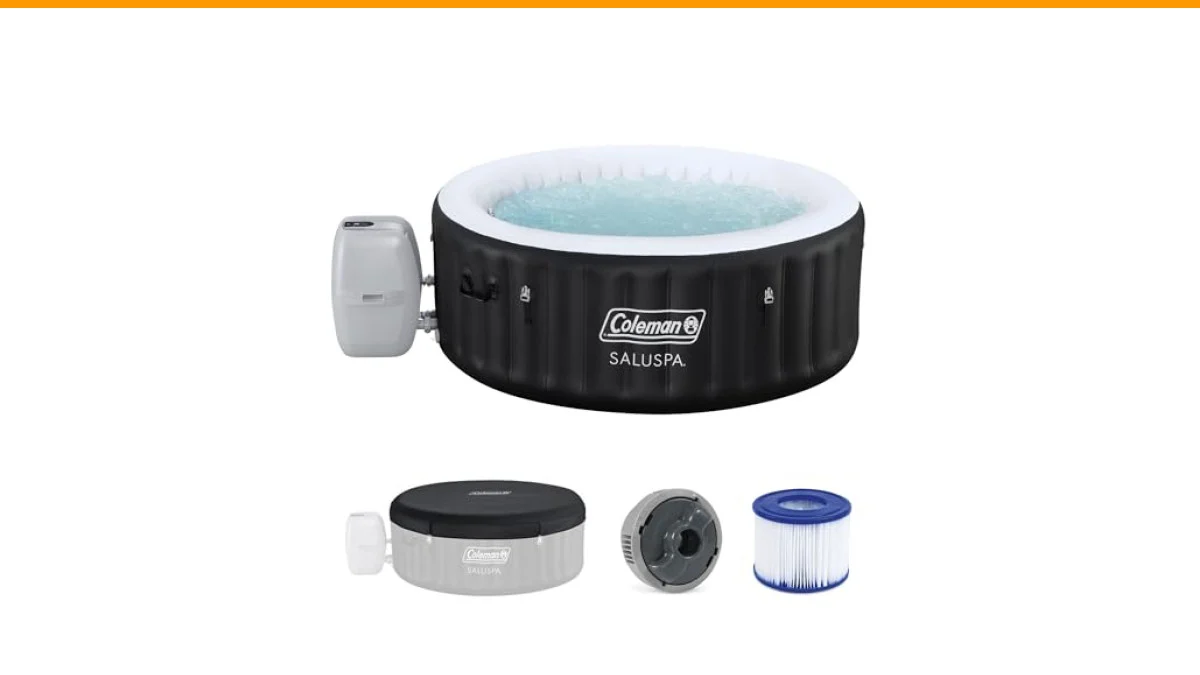
Coleman SaluSpa Miami Energy-Efficient AirJet 2-4 Person Inflatable Hot Tub | Smart Portable Outdoor Spa, Built-in EnergySense Insulation, Freeze Shield Technology, 120 Soothing Jets, 71" x 26"
- Soothing Airjet Massage System: The Coleman SaluSpa Miami hot tub features 120 bubble jets that create a warm and relaxing spa exp…
- Energy-Efficient Design: Insulated walls and cover are up to 40% more energy-efficient in keeping your hot tub warmer, compared to…
- Durable Construction: MaxHold fabric internal beams provide superior air pressure retention, stability and lightweight portability…
How Inflatable Hot Tubs Affect Your Electric Bill
Okay, but how much does this actually matter? The truth is, the electric bill from running an inflatable hot tub can vary widely based on several factors. On average, inflatable hot tubs consume around 1,500 to 2,000 watts when heating the water. If you run your hot tub for an average of 8 hours a day, it can lead to a significant increase in your monthly energy costs.
Let’s break down the math:
- Assuming an average cost of $0.13 per kilowatt-hour (kWh), running a 1,500-watt hot tub for 8 hours a day would cost approximately $1.56 per day.
- Over a month, that adds up to around $46.80.
For a more energy-efficient model like the Coleman SaluSpa Miami, which features energy-saving insulation, you can expect lower operational costs. Its design is up to 40% more efficient in retaining heat compared to similar models, meaning your electric bill may be significantly reduced.
Factors Influencing Your Hot Tub’s Energy Consumption
Several factors contribute to how much energy your inflatable hot tub will use. Understanding these can help you make smart choices to minimize costs:
- Outdoor Temperature: Colder temperatures require more energy to maintain the desired water temperature. The Coleman SaluSpa Miami includes a Freeze Shield feature that helps protect the pump and liner from freezing, which can also help save some energy.
- Usage Duration: The longer you keep the tub heated, the more energy it will consume. Consider using a timer to heat the water only when you’re ready to use it.
- Insulation Quality: Models with better insulation retain heat longer, reducing the need for constant heating. The Coleman model’s built-in EnergySense insulation helps significantly in this regard.
- Maintenance Practices: Regular cleaning and using a cover can help keep the water warm and clean, reducing the need for additional heating.
These factors can drastically alter the energy consumption of your inflatable hot tub. Adjusting just one or two can lead to notable savings.
Energy-Saving Tips for Inflatable Hot Tub Owners
So, what can you do to keep your electric bill in check? Here are some practical tips:
- Use a Cover: Always cover your hot tub when it’s not in use. This simple act keeps the heat in and prevents heat loss, reducing the need for excessive heating.
- Opt for Off-Peak Hours: If your utility provider offers lower rates during off-peak hours, schedule your hot tub heating during these times.
- Maintain the Water Temperature: Instead of heating the water from scratch, maintain a consistent temperature. Keeping it at a warm level will reduce the energy needed for heating.
- Regular Maintenance: Clean the filters, check for leaks, and ensure the pump is functioning correctly to maintain efficiency.
- Choose Energy-Efficient Models: Investing in models like the Coleman SaluSpa Miami can lead to substantial energy savings thanks to their energy-efficient features.
Implementing these strategies can significantly reduce your monthly electric bill while still allowing you to enjoy the comfort of your hot tub.
Comparing Energy Consumption of Inflatable Hot Tubs
| Model | Power Consumption (Watts) | Energy Efficiency Features | Average Monthly Cost |
|---|---|---|---|
| Coleman SaluSpa Miami | 1,500 | EnergySense Insulation, Freeze Shield | $45 |
| Bestway SaluSpa Palm Springs | 1,800 | Basic insulation | $54 |
| Intex PureSpa Plus | 1,500 | Heater timer, basic insulation | $46 |
This table highlights just a few options available in the market. The Coleman SaluSpa Miami stands out as a model that balances comfort and energy efficiency.
How can I lower my inflatable hot tub electric bill?
To lower your electric bill, use a cover when not in use, maintain a consistent water temperature, and choose a model with good insulation. The Coleman SaluSpa Miami offers excellent energy-efficient features to help with this.
What’s the average cost to run an inflatable hot tub?
The average cost can range from $45 to $60 per month, depending on usage, outdoor temperature, and the hot tub’s energy efficiency. Some models, like the Coleman SaluSpa Miami, can help lower these costs.
Are inflatable hot tubs energy-efficient?
Many inflatable hot tubs are designed to be energy-efficient. Models with better insulation and heat-retaining features, like the Coleman SaluSpa Miami, can significantly reduce energy consumption.
Can I use my inflatable hot tub in winter?
Yes, you can use an inflatable hot tub in winter, but expect higher energy costs due to heating requirements. Models with Freeze Shield technology, like the Coleman SaluSpa Miami, are better suited for colder weather.
Do hot tubs use a lot of electricity?
Hot tubs can use a significant amount of electricity, particularly when heating water. However, energy-efficient models help to manage these costs effectively.
Final Thoughts on Managing Your Inflatable Hot Tub Electric Bill
- Understand the average costs associated with operating your hot tub.
- Consider energy-efficient models like the Coleman SaluSpa Miami for better savings.
- Implement practical strategies to reduce energy consumption.
- Regular maintenance can significantly impact your energy usage.
- Keep a close eye on your utility rates and choose the best times to run your hot tub.
With a bit of planning and awareness, you can enjoy the luxury of your inflatable hot tub without breaking the bank on your electric bill.