Understanding Joint Pain and Its Impact
Living with joint pain can be frustrating. Daily tasks become challenging, and finding effective relief often feels like an uphill battle. Whether it’s due to arthritis, overuse, or injury, joint pain can diminish your quality of life. Many people turn to various therapies, including saunas, for relief. But how do infrared saunas measure up against traditional saunas when it comes to alleviating joint pain? This article aims to clarify this comparison and help you make an informed choice.
You’ll learn about the distinct functions of each sauna type, how they affect joint pain, and practical tips for incorporating them into your wellness routine. Let’s break down the differences and explore what might work best for you.

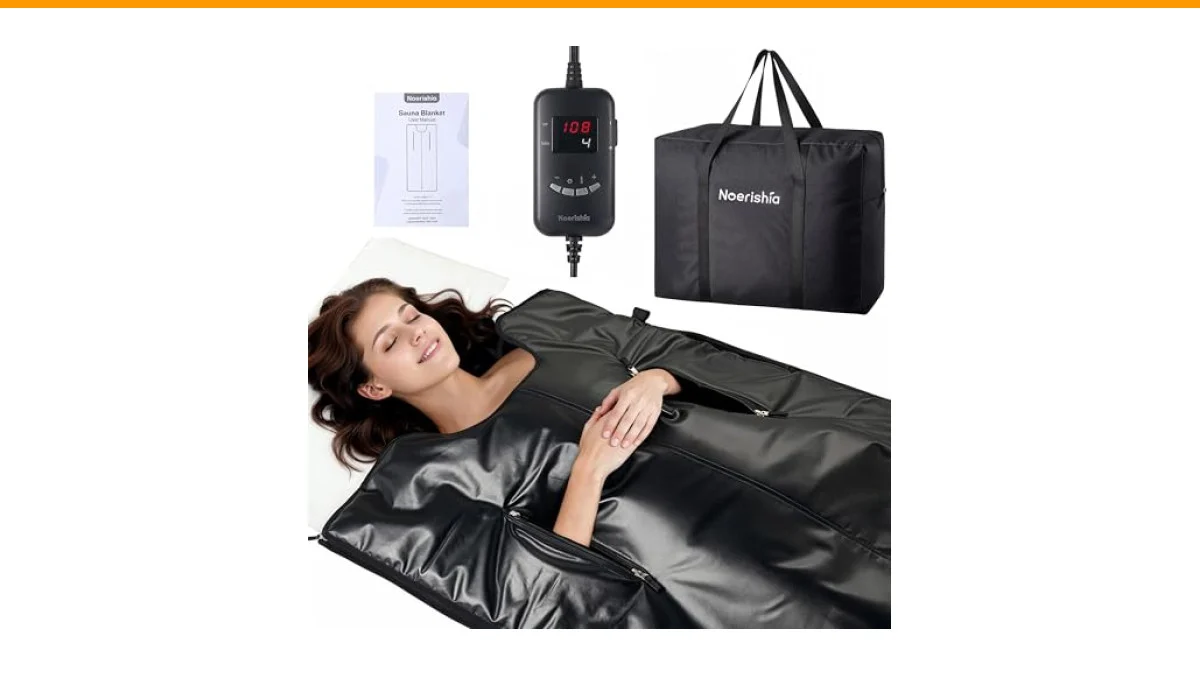
noerishia
Infrared Sauna Blanket for Relaxation & Self-Care, Full Body Heat Therapy | Soothing Muscles Pain, Wellness Gifts for Family, Machine Washable
- 【Natural Infrared Warmth for Everyday Wellness】Enjoy soothing far-infrared warmth (4–20μm) designed to create a relaxing sweat exp…
- 【Rapid Heating & Adjustable Comfort】Advanced carbon fiber heating provides fast, even warmth throughout the sauna blanket. Customi…
- 【Smart Timer for Flexible Wellness】With adjustable 10–60 minute timer settings and automatic shut-off protection, this sauna blank…
For those interested in a convenient option for sauna therapy at home, consider the Infrared Sauna Blanket for Relaxation & Self-Care. This product offers full-body heat therapy with adjustable temperature settings, making it a versatile addition to your self-care regimen.
What Is a Traditional Sauna?
Traditional saunas, often found in spas and gyms, typically use either electric heaters or wood-burning stoves to heat the air. The temperatures can reach between 150°F to 195°F (65°C to 90°C). The high heat causes your body to sweat, which can promote relaxation and temporary relief from muscle and joint tension.
One of the significant benefits of traditional saunas is the social aspect. Many people enjoy the communal experience, which can enhance relaxation through shared moments. However, the intense heat can be challenging for some individuals, particularly those with specific health conditions.
What Is an Infrared Sauna?
Infrared saunas use infrared light to directly warm your body instead of heating the air around you. The temperatures in these saunas usually range from 120°F to 140°F (49°C to 60°C). This lower temperature can be more comfortable for users, allowing for longer sessions.
The infrared heat penetrates deeper into the skin, potentially offering more effective pain relief for joints and muscles. Research suggests that the increased circulation from this deep heat can promote healing and reduce inflammation, which is particularly beneficial for those with chronic joint pain.
Comparing Infrared and Traditional Saunas for Joint Pain Relief
When considering whether an infrared sauna is better for joint pain than a traditional sauna, several factors come into play. Here’s a breakdown of key differences:
| Feature | Infrared Sauna | Traditional Sauna |
|---|---|---|
| Heating Method | Infrared light | Heated air |
| Temperature Range | 120°F to 140°F (49°C to 60°C) | 150°F to 195°F (65°C to 90°C) |
| Pain Relief Depth | Deeper penetration | Surface-level heat |
| Session Duration | Longer, more comfortable sessions | Shorter duration due to heat intensity |
| Hydration Needs | Less sweat loss | More sweat loss |
The differences above highlight how infrared saunas provide a unique experience that may be more suitable for those suffering from joint pain. The lower temperatures and deeper heat penetration can lead to more effective pain relief without the discomfort associated with traditional saunas.
How to Use Infrared and Traditional Saunas for Joint Pain Relief
For those looking to incorporate sauna therapy into their wellness routine, here are some practical tips:
Using an Infrared Sauna
1. **Preheat the sauna**: Set your infrared sauna to the desired temperature and allow it to preheat for 10-20 minutes.
2. **Stay hydrated**: Drink plenty of water before and after your session to stay well-hydrated.
3. **Duration**: Start with shorter sessions of 15-20 minutes and gradually increase as you become accustomed to the heat.
4. **Focus on problem areas**: If possible, position yourself to allow the infrared heat to penetrate areas where you feel discomfort.
Using a Traditional Sauna
1. **Preheat the sauna**: Allow the sauna to heat up fully to ensure optimal effectiveness.
2. **Hydrate**: Drink water before entering to compensate for the fluid loss from sweating.
3. **Limit session time**: Keep your sessions to about 10-15 minutes, especially if you’re new to sauna use.
4. **Cool down gradually**: After your session, allow your body to cool down slowly to avoid shock.
FAQs About Saunas and Joint Pain Relief
1. Can infrared saunas help with arthritis pain?
Yes, many users report that infrared saunas help reduce arthritis pain. The deep heat can enhance circulation and alleviate stiffness.
2. How often should I use a sauna for joint pain?
Using a sauna 2-3 times a week can be beneficial for joint pain relief. However, listen to your body and adjust as needed.
3. Are there any risks to using saunas for joint pain?
While generally safe, individuals with certain health conditions, such as heart disease, should consult a healthcare provider before using a sauna.
4. Do I need to cool down after using a sauna?
Yes, cooling down gradually is essential, especially after a traditional sauna session, to prevent dizziness or shock to your system.
5. Can I use an infrared sauna if I’m pregnant?
Pregnant individuals should consult their healthcare provider before using any sauna due to potential risks associated with overheating.
Final Thoughts on Saunas for Joint Pain Relief
- Infrared saunas offer deeper heat penetration, which may provide more effective relief for joint pain.
- Traditional saunas can be beneficial but might be less comfortable for extended use.
- Both sauna types promote relaxation and can be part of a holistic wellness routine.
- Stay hydrated before, during, and after your sauna sessions for optimal results.
- Consider your personal comfort and preferences when choosing between infrared and traditional saunas.
- Monitor your body’s response to sauna therapy and adjust frequency as needed.
- Incorporate sauna use with other therapies, such as physical therapy, for enhanced joint pain management.