 Sauna vs Hot Tub: A Simple Framework for Better Sleep and RecoveryWatch on YouTube
Introduction
Struggling to fall asleep can be frustrating. Many people toss and turn, counting sheep or staring at the ceiling, wishing for a moment of calm. As natural remedies gain traction, two popular options have emerged: infrared saunas and hot baths. Both can provide relaxation and potentially improve sleep latency, but which one is more effective?
This article will explore the differences between infrared saunas and hot baths, focusing on their impact on sleep latency. You’ll learn about the science behind each method, their benefits, and how they can fit into your nightly routine.

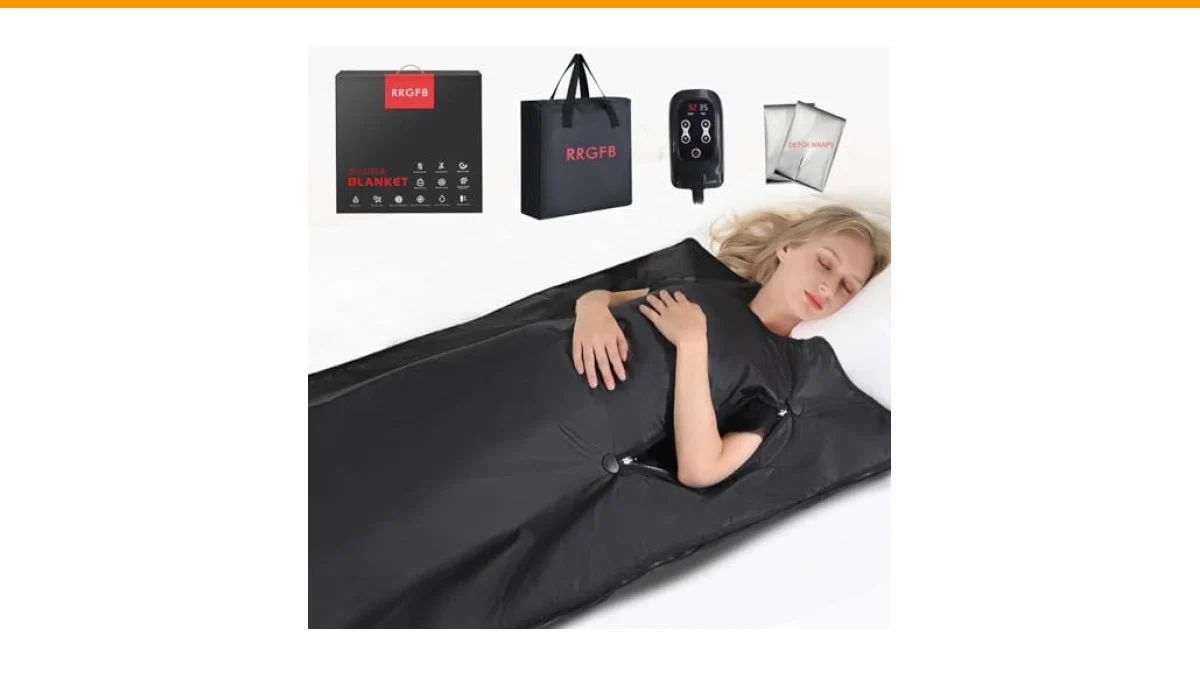
RRGFB
RRGFB Infrared Sauna Blanket for Home Detox, Portable, 6 ft x 2.6 ft | Low-EMF Waterproof Oxford fabric 1-60 min timer Overheat auto shut-off 5 wraps & bag
- Relaxation at Home: Transform your home into a relaxing spa with our sauna blanket. Just 30 minutes of use allows you to unwind an…
- Rejuvenating Sweat Experience: Support your daily wellness routine with a gentle, soothing sweat session. Regular use helps refres…
- Enhanced Blood Circulation: This infrared sauna blanket is designed to improve blood circulation, which can aid muscle recovery an…
If you’re considering a new addition to your self-care regimen, the RRGFB Infrared Sauna Blanket offers a convenient, at-home option for relaxation. This portable sauna blanket can help you unwind in just 30 minutes, promoting a soothing sweat experience that supports your nightly wind-down.
Understanding Sleep Latency
Sleep latency refers to the time it takes to transition from full wakefulness to sleep. Ideally, this should take less than 20 minutes. However, various factors can affect this timing, including stress, environment, and physical discomfort.
Research indicates that both infrared saunas and hot baths can positively influence sleep latency. The warmth from each method helps to relax muscles and promote a sense of calm. However, the mechanisms through which they work differ.
Infrared Saunas: The Science Behind the Heat
Infrared saunas use infrared light to heat the body directly, rather than heating the air around you. This results in a more intense sweat at lower temperatures, typically between 120°F and 140°F.
Several studies support the use of infrared saunas for relaxation and improved sleep quality. A 2026 study published in the Journal of Clinical Sleep Medicine found that individuals who used an infrared sauna reported better sleep quality and reduced sleep latency over a three-month period. The gentle heat promotes circulation and muscle relaxation, which can lead to a more restful night.
Hot Baths: The Traditional Approach
Hot baths have been used for centuries as a way to unwind and prepare for sleep. Immersing yourself in warm water (ideally between 100°F and 104°F) can create a calming effect, promoting relaxation.
Research published in the Journal of Physiological Anthropology found that taking a warm bath 90 minutes before bedtime can significantly reduce sleep latency and improve sleep quality. The heat raises your core body temperature, and when you exit the bath, your body cools down—a signal that encourages sleepiness.
Comparative Analysis: Infrared Sauna vs Hot Bath
| Feature | Infrared Sauna | Hot Bath |
|---|---|---|
| Average Temperature | 120°F – 140°F | 100°F – 104°F |
| Duration of Use | 30 – 60 minutes | 20 – 30 minutes |
| Primary Benefits | Improved circulation, muscle relaxation | Calming effect, core temperature regulation |
| Convenience | Portable options available (e.g., sauna blanket) | Requires a bathtub |
| Cost | Higher initial investment for sauna | Lower cost, typically free with access to a bath |
Common Misconceptions
Hot Baths are Always Better for Sleep
Many believe that a hot bath is the best method for improving sleep latency. While baths are effective, infrared saunas provide unique benefits. The direct heat they generate can penetrate deeper into muscles, offering more profound relaxation. Individual preferences and experiences will ultimately determine which method works better for you.
You Need a Sauna Room for Infrared Saunas
Some might assume that enjoying the benefits of an infrared sauna requires a dedicated room. This is not the case. Portable options, like the RRGFB Infrared Sauna Blanket, allow you to experience the soothing benefits of infrared therapy at home without needing a large space.
Frequently Asked Questions
1. How often should I use an infrared sauna or hot bath for sleep improvement?
For optimal results, consider using an infrared sauna 2-3 times per week or a hot bath before bedtime 4-5 times per week. Listen to your body and adjust based on your comfort.
2. Can I combine both methods?
Absolutely! Many find that alternating between an infrared sauna session and a hot bath enhances relaxation and sleep quality. Just be mindful of your overall body temperature and hydration.
3. Are there any risks associated with using infrared saunas?
Infrared saunas are generally safe for most people. However, individuals with certain health conditions should consult a healthcare provider before use. Always stay hydrated during sessions.
4. How long does it take to see improvements in sleep latency?
Some people notice improvements after just one session, while others may take weeks of consistent use to experience significant changes in sleep latency.
5. Is one method more effective than the other for everyone?
No single method will work for everyone. Both infrared saunas and hot baths have their advantages. It’s essential to experiment and see which method helps you personally.
Takeaways for Better Sleep
- Consider your personal preferences and lifestyle when choosing between an infrared sauna and a hot bath.
- Infrared saunas may offer deeper muscle relaxation.
- Hot baths are effective for core temperature regulation.
- Portable sauna options, like the RRGFB Infrared Sauna Blanket, provide flexibility for home use.
- Be consistent with your chosen method for the best results.
- Stay hydrated before and after your sessions.
- Listen to your body and adjust your routine as necessary.