Introduction to Garage Heating Solutions
Winter can be brutal, especially when you need to venture into your garage for tools, hobbies, or a DIY project. Many people find themselves shivering in their garages, longing for a reliable heating solution. Whether you run a workshop or store your vehicle, keeping your garage warm can significantly enhance comfort and productivity.
This article explores two popular garage heating options: infrared and ceramic heaters. After reading, you’ll understand their differences, advantages, and which type might suit your needs best. You’ll also learn practical maintenance tips aimed specifically at garage environments.

DAHTEC
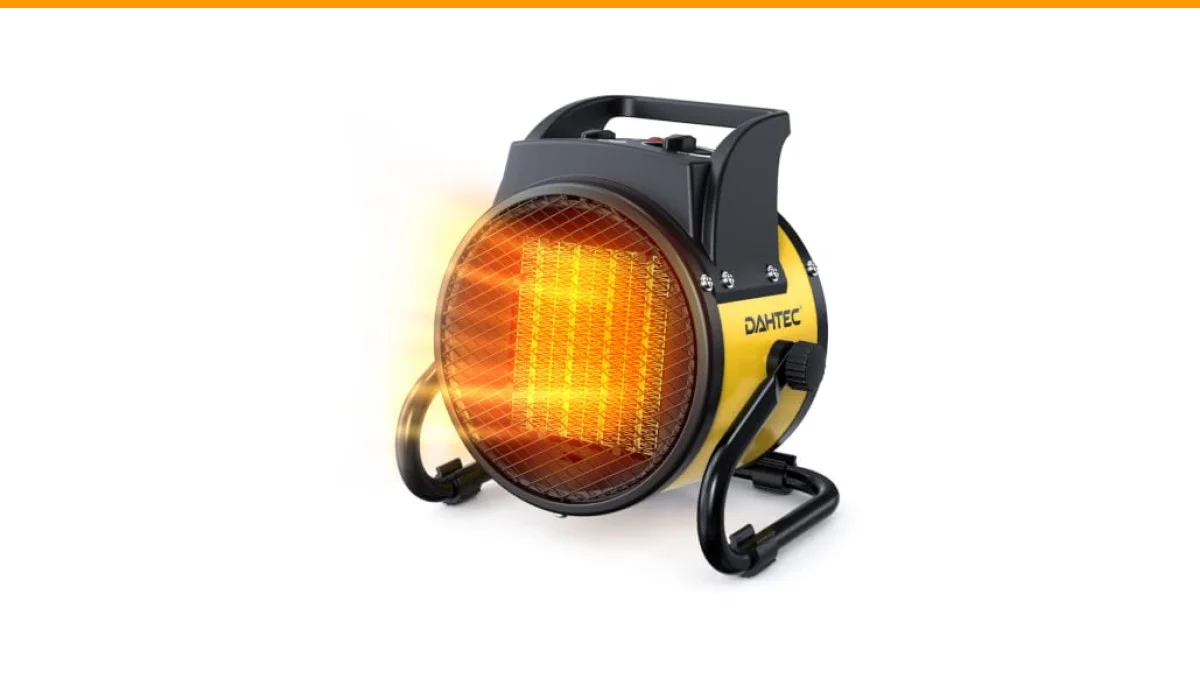
DAHTEC 1500W Electric Space Heater for Indoor Use, Portable Ceramic Heater | 3S Fast Heating, 3 Heat Modes & Thermostat, ETL Certified, Garage Greenhouse Workshop Heater, 15° Adjustable Angle
- 3S FAST HEATING & 3 MODES: This 1500W electric space heater uses advanced PTC ceramic heating with a powerful fan to blow warm air…
- EASY TILT & SIMPLE CONTROL: The 15° adjustable tilt directs warm air exactly where you need it - office desk, workbench, plants, o…
- ETL CERTIFIED SAFETY: Built-in thermostat keeps temperature steady while overheat protection automatically shuts off the electric…
For instance, consider the DAHTEC 1500W Electric Space Heater. This portable ceramic heater heats quickly and offers multiple modes, making it a versatile choice for various spaces, including garages.
Understanding Infrared and Ceramic Heaters
How Infrared Heaters Work
Infrared heaters utilize infrared radiation to warm objects directly, rather than heating the air. They emit infrared waves that penetrate the skin and objects in their path, delivering heat almost instantly. This technology is particularly effective in spaces with high ceilings or large areas, as it can warm surfaces rather than just the air.
How Ceramic Heaters Work
Ceramic heaters operate by heating a ceramic element, which then radiates heat into the surrounding air. They often include a fan to distribute warm air more evenly throughout the room. These heaters are generally more suitable for smaller spaces or rooms needing consistent air circulation.
Key Differences Between Infrared and Ceramic Heaters
Energy Efficiency and Cost to Run
When comparing infrared vs ceramic heater for garage applications, energy efficiency plays a vital role. Infrared heaters tend to be more energy-efficient for larger spaces due to their direct heating capability. They can heat a room quickly without wasting energy on heating the air.
Ceramic heaters, while effective, may consume more electricity over time. Their reliance on fan-assisted air circulation can lead to greater energy use, especially in poorly insulated garages. However, their initial cost is often lower, making them appealing for users with tighter budgets.
Safety Considerations for Garage Use
Safety is paramount when selecting a heater for your garage. Infrared heaters generally operate at lower surface temperatures, reducing the risk of burns. They also often come with safety features like tip-over protection and the ability to shut off when overheating occurs.
Ceramic heaters, including the DAHTEC model mentioned earlier, also focus on safety with features like built-in thermostats and overheat protection. However, their fans can sometimes blow dust around, which may be a concern in a garage setting where debris is common.
Heating Effectiveness in Different Scenarios
The choice between infrared and ceramic heaters can significantly impact heating effectiveness, particularly in varying garage scenarios. For example, if you have a garage with high ceilings or want to heat a workspace where you move around a lot, an infrared heater can provide targeted warmth without waiting for the air to heat up.
Conversely, if your garage is small and well-insulated, a ceramic heater may do the job efficiently, providing consistent warmth without excessive energy use. It’s important to gauge your specific needs based on your garage size and insulation quality.
Pros and Cons of Infrared vs. Ceramic Heaters
Infrared Heaters
- Pros: Quick heating, energy-efficient for larger spaces, direct heating method, lower risk of burns.
- Cons: Typically higher initial cost, may not heat air effectively in very cold environments.
Ceramic Heaters
- Pros: Generally lower cost, effective for smaller areas, built-in safety features.
- Cons: Slower to heat a space, potentially higher running costs, can disperse dust in the air.
Real-World Applications: Which Heater is Best for Your Garage?
Choosing between an infrared vs ceramic heater for garage use often depends on individual circumstances. If you frequently work in your garage, an infrared heater can keep you warm without the wait. They are particularly useful in larger garages or those with high ceilings. However, if your garage is smaller and you’re looking for an economical option, a ceramic heater like the DAHTEC model provides effective heating without overspending.
Consider your garage’s insulation quality, as well. If your garage is poorly insulated, an infrared heater may be more effective. Proper placement of the heater also matters—ensure it’s positioned where you most need warmth without blocking airflow.
Maintenance Tips for Garage Heaters
Maintaining your heater is crucial for safety and efficiency. Here are some practical tips:
- Clean Regularly: Dust can accumulate quickly in garages. Regularly clean your heater’s exterior and any vents to ensure optimal performance.
- Check for Damage: Inspect for any signs of wear and tear, especially on cords and plugs. Replace any damaged components immediately.
- Store Properly: If you won’t be using your heater for an extended period, store it in a dry place to prevent moisture damage.
- Follow Instructions: Always refer to the manufacturer’s guidelines for maintenance and operation to ensure safe usage.
Closing Insights and Recommendations
- Infrared heaters are ideal for large, high-ceiling garages needing rapid warmth.
- Ceramic heaters work well in smaller, insulated spaces where consistent air heating is required.
- Consider your budget and long-term energy costs when deciding.
- Regular maintenance is key to the longevity of your heating solution.
- Evaluate insulation quality; it can drastically affect heating effectiveness.
- For versatile heating, check out products like the DAHTEC 1500W Electric Space Heater.
- Placement matters—position heaters for optimal airflow and efficiency.
This article sheds light on the differences between infrared and ceramic heaters, helping you make an informed decision. For additional insights on specific models, refer to resources like our guide on best ceramic heaters for garage or best electric infrared heaters for garage.