Understanding Kerosene Fuel Storage
Kerosene is a widely used fuel, particularly in heating and lighting applications. It’s a staple for many households and businesses, but improper storage can lead to hazardous situations. Imagine a winter night where your heater runs out of fuel, and you need to refill it quickly. If your kerosene isn’t stored properly, you not only risk running out, but you could also be putting your safety at stake.
This article walks you through the essentials of kerosene fuel storage, including best practices, safety measures, and product recommendations to ensure safe handling. After reading, you’ll have a solid understanding of how to store kerosene safely and efficiently.

Justrite
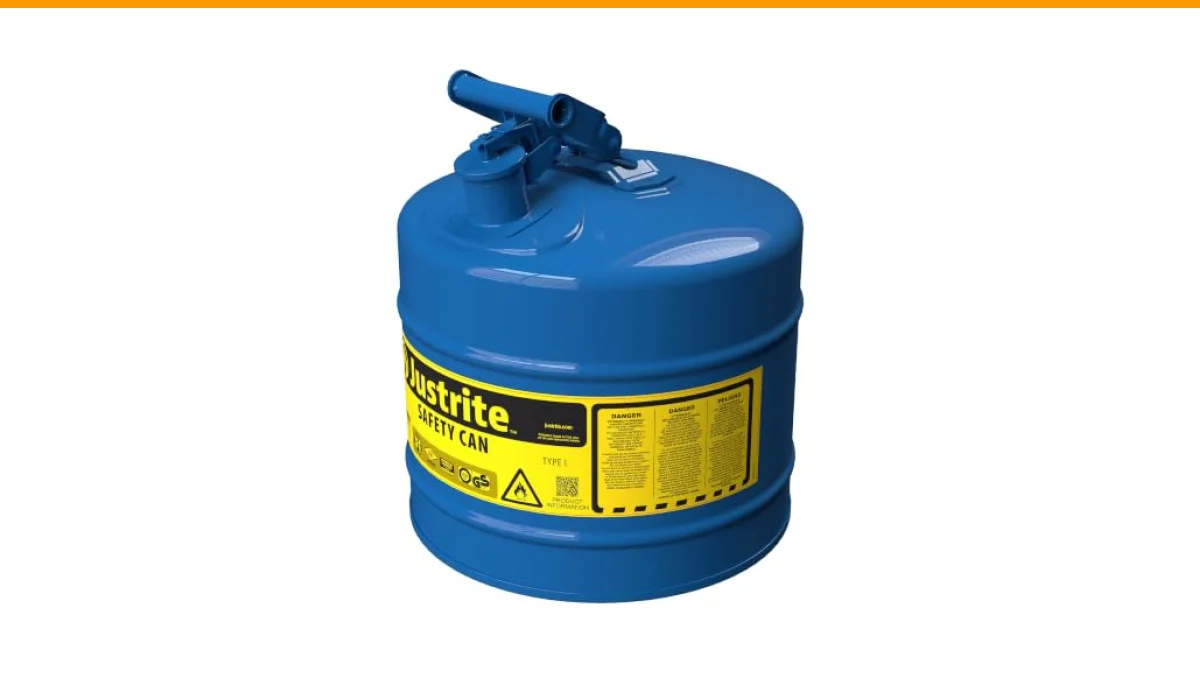
Justrite Type I Kerosene Safety Can, Blue Galvanized Steel, Made in the USA | Flammable Liquid Storage Can, Self-Closing Lid, 5 Gallon Capacity, Flame Arrester, FM Approved, OSHA, NFPA Compliant
- SAFER FLAMMABLE LIQUID STORAGE: Designed for the safe storage, transport, and dispensing of flammable liquids, this Type I safety…
- INDUSTRIAL-GRADE DURABILITY: Constructed from 24-gauge galvanized steel with a chemical-resistant powder-coat finish, this leak-te…
- CONTROLLED POURING DESIGN: A counterbalanced swinging handle and integrated bottom lip provide better balance and greater pouring…
One key product to consider for safe kerosene storage is the Justrite Type I Kerosene Safety Can. This can is designed specifically for the safe storage and dispensing of flammable liquids, making it a smart choice for anyone handling kerosene.
Best Practices for Kerosene Storage
Storing kerosene requires careful attention to detail. Here are some best practices to follow:
- Use Proper Containers: Always store kerosene in a container specifically designed for flammable liquids. The Justrite Type I Kerosene Safety Can is a perfect example, as it features a controlled pouring design and enhanced fire protection.
- Location Matters: Keep kerosene away from heat sources, such as furnaces or direct sunlight. A cool, dry, and well-ventilated area is ideal.
- Labeling: Clearly label your storage containers. This helps prevent accidental misuse and informs others about the contents.
- Regular Inspections: Check your storage containers regularly for leaks or damage. Any signs of wear should prompt immediate replacement.
Safety Measures for Handling Kerosene
Safety should be your top priority when dealing with kerosene. Here are essential safety measures:
- Use Personal Protective Equipment (PPE): Always wear gloves and goggles when handling kerosene to protect your skin and eyes.
- Avoid Static Electricity: Keep your work area free from static-generating materials. Grounding your containers can help mitigate the risk of sparks.
- Have Fire Extinguishers Ready: Ensure that you have a fire extinguisher rated for flammable liquids nearby. Familiarize yourself with its use.
- Store Away from Living Spaces: If possible, keep kerosene storage away from areas where people frequently gather.
Understanding Regulations and Compliance
It’s crucial to understand local regulations regarding kerosene storage. These rules may vary depending on your location and the quantity of kerosene stored. Familiarize yourself with OSHA and NFPA guidelines, which offer essential safety standards for handling flammable liquids.
Some critical points include:
- Quantity Limits: Different jurisdictions have limits on how much kerosene can be stored in residential areas. Check with your local fire marshal.
- Building Codes: Ensure that your storage setup complies with local building codes. This may include specific requirements for ventilation and fire safety.
Understanding and adhering to these regulations not only keeps you compliant but also enhances safety.
Comparison of Kerosene Storage Options
| Storage Option | Material | Capacity | Features | Safety Certifications |
|---|---|---|---|---|
| Justrite Type I Kerosene Safety Can | Galvanized Steel | 2.5 gallons | Controlled pouring, flame arrester, self-closing lid | FM Approved, UL/ULC Listed |
| Plastic Kerosene Containers | High-density Polyethylene | 5 gallons | Lightweight, easy to transport | Varies by manufacturer |
| Metal Fuel Drums | Steel | 55 gallons | Heavy-duty, long-term storage | Varies by manufacturer |
| Collapsible Fuel Bladders | Polyurethane | Up to 500 gallons | Flexible storage, easily transportable | Varies by manufacturer |
What are the best containers for kerosene storage?
Containers designed specifically for flammable liquids, like the Justrite Type I Kerosene Safety Can, are best. They reduce fire hazards and are built for safe transport.
How long can kerosene be stored?
Kerosene can be stored for up to 5 years if kept in a cool, dark place and in a sealed container. Regularly check the quality to ensure it remains usable.
Is kerosene safe to use indoors?
Using kerosene indoors is generally safe if proper ventilation is maintained. Always follow safety precautions and ensure you have working smoke detectors.
Can kerosene go bad?
Yes, kerosene can degrade over time, especially if exposed to air and moisture. Check for signs of cloudiness or sediment which indicate it may not be usable.
What should I do if I have a kerosene spill?
If a spill occurs, evacuate the area immediately, ventilate, and clean up using absorbent materials. Dispose of contaminated materials according to local regulations.
Final Thoughts on Kerosene Fuel Storage
- Always use containers designed for flammable liquids.
- Store kerosene in a cool, dry area away from heat sources.
- Regularly inspect your storage containers for damage.
- Follow local regulations to ensure compliance and safety.
- Use personal protective equipment when handling kerosene.
- Have a fire extinguisher readily available in case of emergencies.
- Consider the Justrite Type I Kerosene Safety Can for reliable storage and safety features.



