Heating your home during the winter often means relying on a dependable heat source. For many, kerosene heaters serve as a reliable option, delivering warmth when the electricity goes out or during especially cold nights. However, one common issue users face is kerosene heater smoking. This not only affects the efficiency of the heater but can also raise safety concerns.
In this article, you’ll learn about the reasons behind kerosene heater smoking, how to troubleshoot these issues, and when to seek professional help. Understanding these factors can help ensure your heater operates efficiently and safely, providing the warmth you need without the accompanying smoke.

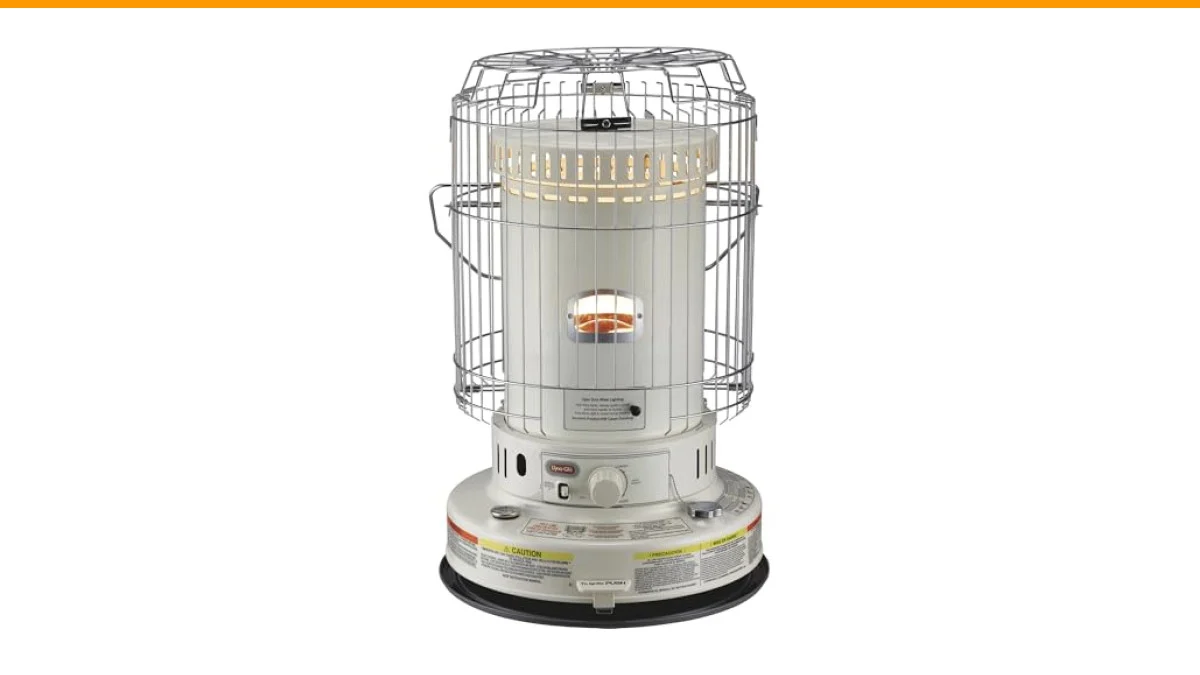
Dyna-Glo
Dyna-Glo Indoor Kerosene Convection Heater - 23,800 BTU, 1,000 Sq. Ft. Heating Capacity, Model Number WK95C8
- 23,000 BTU/hour
- Heats up to 1,000 SQ.FT.
- NO ELECTRICITY NEEDED
One example of a well-regarded kerosene heater is the Dyna-Glo Indoor Kerosene Convection Heater. This model offers 23,800 BTUs of heating power and can cover an area of up to 1,000 square feet. It operates without electricity, making it a reliable choice for emergency situations.
Common Causes of Kerosene Heater Smoking
Several factors can contribute to a kerosene heater producing smoke. Understanding these can help you identify the problem quickly:
- Dirty Wick: Over time, soot and residue can build up on the wick. A dirty wick can impede the flow of kerosene, causing incomplete combustion and resulting in smoke.
- Poor Quality Kerosene: Not all kerosene is created equal. Low-quality fuel may contain impurities that lead to smoking. Always use clean, high-quality kerosene.
- Incorrect Wick Height: If the wick is set too high, it can draw too much fuel, leading to an excess that burns inefficiently, causing smoke.
- Improper Ventilation: Lack of adequate airflow can hinder combustion. Ensure your heater is used in a well-ventilated area.
How to Troubleshoot Kerosene Heater Smoking
When faced with a smoking kerosene heater, take the following steps to troubleshoot the issue:
- Check the Wick: Inspect the wick for signs of soot or dirt. Replace it if necessary, ensuring you follow the manufacturer’s guidelines for installation.
- Use Quality Fuel: Always fill your heater with high-quality, clean kerosene. Avoid using fuel that has been stored for a long time or is contaminated.
- Adjust the Wick Height: Lower the wick to the manufacturer’s recommended height. This ensures a proper fuel burn and reduces the likelihood of smoke.
- Ensure Proper Ventilation: Make sure the area is adequately ventilated. Open windows or doors if necessary to improve airflow.
Comparison of Kerosene Heater Features
| Feature | Dyna-Glo WK95C8 | Other Common Models |
|---|---|---|
| BTU Output | 23,800 | 15,000 – 23,000 |
| Heating Area | 1,000 sq. ft. | 300 – 1,000 sq. ft. |
| Fuel Type | Kerosene | Kerosene, Diesel |
| Electricity Required | No | Some models require electricity |
| Usage | Emergency/Daily | Primarily emergency |
Frequently Asked Questions
1. Why does my kerosene heater smoke?
Smoking often results from issues like a dirty wick, low-quality kerosene, incorrect wick height, or poor ventilation.
2. How can I clean the wick of my heater?
Turn off the heater and allow it to cool. Remove the wick and clean it with a soft cloth. If it shows significant wear, consider replacing it.
3. What type of kerosene is best for my heater?
Use clear kerosene, often labeled as K-1, which is the cleanest and least likely to cause smoke.
4. How often should I replace the wick?
Wick replacement depends on usage. Generally, inspect it every season and replace it annually or sooner if it appears dirty or damaged.
5. Can I use my kerosene heater indoors?
Yes, but ensure that it is designed for indoor use and that the area is well-ventilated to prevent carbon monoxide buildup.
Final Thoughts on Kerosene Heater Smoking
- Regularly check and clean the wick to ensure efficient burning.
- Use high-quality kerosene to prevent impurities from causing smoke.
- Adjust the wick height according to manufacturer recommendations.
- Ensure proper ventilation in the room where the heater operates.
- Monitor your heater for any unusual noises or smells as indicators of issues.
- Have a trusted professional inspect your heater if issues persist.
- Consider models like the Dyna-Glo for reliable and efficient heating solutions.



