Imagine a chilly winter evening. You walk into your home only to find your heater struggling to keep the cold at bay. As you crank up the thermostat, you might wonder just how much energy this comfort is costing you. Understanding kilowatt-hours (kWh) is crucial for anyone using electric heaters. This guide will walk you through what kWh means, how it relates to your heating system, and practical ways to monitor and manage your energy consumption.
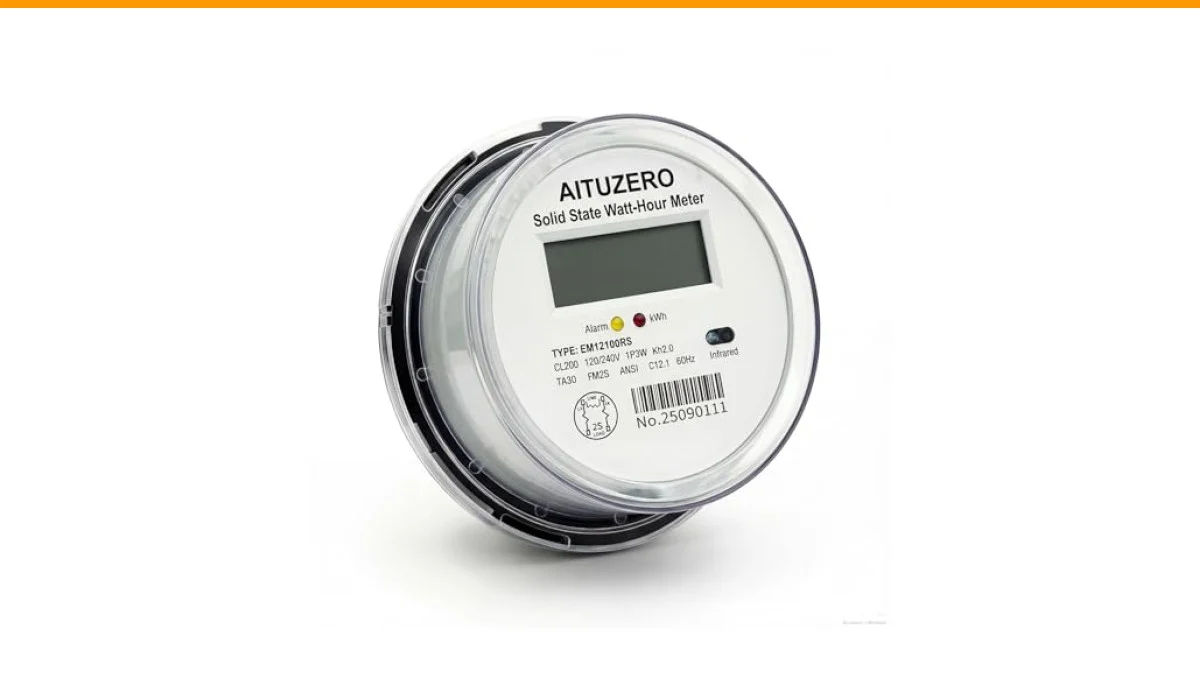
After this read, you’ll not only grasp the concept of kWh but also learn how to effectively measure your heater’s energy usage. For those looking to get even more precise, consider the Digital Electric Sub Meter from Aituzero. This device helps monitor kWh usage in rental units, RVs, and workshops, providing clear insights into your energy consumption.

Aituzero
Digital Electric Sub Meters for Landlords, 120/240V CL200 Single Phase 3 Wire, Electricity Usage Meter, Power Energy Meter, kWh Sub Meter, ANSI Form 2S Electric Submeters for RV Power, Rental Units
- Easy Installation: This digital energy meter is designed for simple installation in standard form 2S socket bases, making it ideal…
- Sub-Metering: This digital smart meter is designed for sub-metering applications, allowing power usage to be separated across tena…
- Solar Monitoring: This digital energy meter is a powerful tool for solar users who need precise import/export kWh monitoring. Inst…
Understanding kWh: The Basics
Kilowatt-hours (kWh) is a unit of energy that quantifies electricity consumption. One kWh is equivalent to using 1,000 watts of power for one hour. For example, if you have a 1,500-watt heater running for one hour, it consumes 1.5 kWh of electricity. This metric is crucial for homeowners and renters alike, as it directly affects utility bills and energy management.
To put this into perspective, an average electric heater might use anywhere from 1,000 to 2,500 watts. If your heater runs for 8 hours a day at 1,500 watts, it consumes 12 kWh daily:
- 1,500 watts = 1.5 kW
- 1.5 kW x 8 hours = 12 kWh
Knowing this helps you estimate your monthly energy costs. If your electricity rate is, say, $0.12 per kWh, running that heater for a month (30 days) would cost:
- 12 kWh/day x 30 days x $0.12/kWh = $43.20
How to Calculate Your Heater’s kWh Usage
Calculating kWh usage is straightforward. You need three pieces of information: the heater’s wattage, the number of hours used, and your electricity rate. Here’s a simple formula:
kWh = (Wattage / 1000) x Hours Used
Let’s say you have a 2,000-watt heater running for 5 hours. The calculation would look like this:
- kWh = (2026 / 1000) x 5 = 10 kWh
Using this formula, you can adjust the hours or wattage to see how different heating practices impact your bill.
Monitoring kWh Usage Effectively
Effective monitoring of kWh can save you money and help you manage energy consumption. The Digital Electric Sub Meter from Aituzero is an excellent choice for this purpose. It allows for easy installation and provides real-time readings of your energy consumption, making it simpler to allocate costs across rental units or individual circuits.
One of the key features of this device is its ability to track energy usage accurately, making it ideal for various settings, including RVs and small apartments. Here’s how you can utilize it:
- Install the meter on your sub-panel or breaker panel.
- Connect it to your heater’s circuit.
- Monitor kWh usage through the LCD display to analyze your energy consumption patterns.
Also, keeping track of your usage can help identify peak times when your heater runs most, allowing you to optimize heating schedules and reduce costs.
Comparative Analysis of Heating Methods
| Heating Method | Power Consumption (Watts) | Estimated kWh for 8 hrs | Typical Cost ($0.12/kWh) |
|---|---|---|---|
| Convection Heater | 1,500 | 12 | $1.44 |
| Infrared Heater | 1,800 | 14.4 | $1.73 |
| Oil-Filled Radiator | 1,500 | 12 | $1.44 |
| Fan Heater | 2,000 | 16 | $1.92 |
This table illustrates how different heating methods can affect your energy consumption and costs. While fan heaters consume more power, they often heat a space quicker than convection heaters, which may result in less overall runtime.
How does kWh affect my heating bill?
kWh is the primary metric used by utility companies to calculate your energy costs. The more kWh you use, the higher your bill will be. Understanding this relationship helps you manage your heating expenses better.
What is a good kWh usage for heating?
A good kWh usage varies based on home size and insulation. Generally, a well-insulated home might use between 500 to 1,500 kWh for heating during winter months, depending on heating habits and outside temperatures.
Can I reduce my kWh usage?
Yes, you can reduce kWh usage by using programmable thermostats, maintaining your heater, and ensuring your home is well-insulated. These actions can lead to significant savings on your energy bill.
What is the difference between kW and kWh?
kW (kilowatt) measures the rate of energy consumption at any given moment, whereas kWh measures the total energy consumed over time. This distinction is important for understanding both immediate and cumulative energy use.
Should I invest in a sub-meter for my heater?
If you manage multiple heating units or rental properties, a sub-meter helps track energy usage accurately. It allows for precise billing and energy management, making it a valuable investment.
Practical Steps for Better Energy Management
- Understand your heater’s wattage and calculate expected kWh usage.
- Install a reliable energy monitor like the Aituzero Digital Electric Sub Meter.
- Maintain your heating system for optimal performance.
- Consider upgrading to more efficient heating options when possible.
- Monitor your usage regularly and adjust heating schedules based on patterns.
- Check insulation and seal leaks in your home to reduce energy needs.
- Educate yourself on your electricity rate and how it impacts your budget.



