As winter approaches, many people turn to oil-filled heaters for warmth. These heaters are popular for their efficiency and ability to provide consistent heat. However, discovering your oil-filled heater leaking can be frustrating and concerning. A leak not only raises worries about damage to your home but also questions about the safety of the heater itself.
This article aims to help you understand the reasons behind an oil-filled heater leaking, how to address the issue, and when it might be time to consult a professional. We’ll also cover some preventive measures to avoid leaks in the future, ensuring your heating experience remains comfortable and worry-free.

Amazon Basics
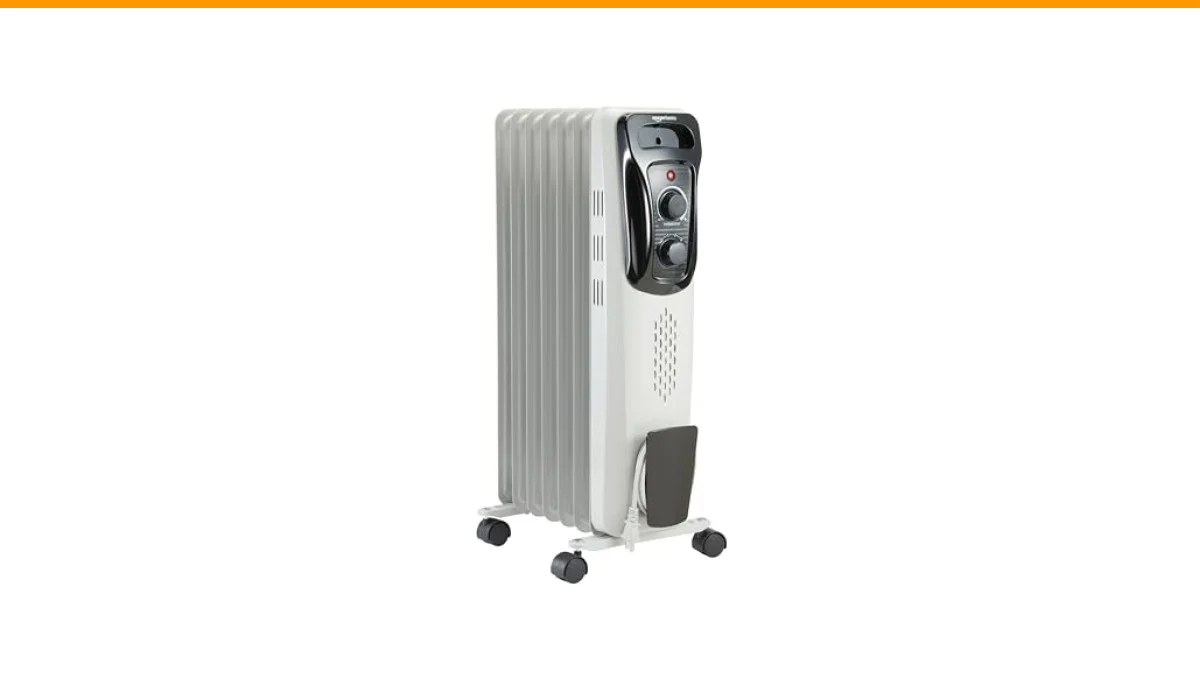
Amazon Basics Portable Oil Radiator Heater, Indoor Use, 3 Heat Settings, Over-Heat Protection, ETL-certified Safety, 7 Oil-Filled Steel Fins, 1500W, Tip-Over Protection, 11"D x 14.8"W x 25.2"H, White
- POWERFUL & ADJUSTABLE HEATING: Offers three heat settings—High (1500W), Medium (1000W), and Low (600W) - allowing you to customize…
- LONG-LASTING RADIATOR HEATING: Features seven oil-filled fins that deliver consistent, long-lasting heat, even after the heater is…
- QUIET OPERATION: Enjoy a peaceful environment with no fan noise - perfect for bedrooms, living rooms, and offices.
If you’re in the market for a reliable heater, consider the Amazon Basics Portable Oil Radiator Heater. With three heat settings and essential safety features like tip-over protection, it provides effective heating while minimizing risks.
Common Reasons for Oil-Filled Heater Leaks
Understanding why your oil-filled heater is leaking can help you address the issue more effectively. Here are some common causes:
- Damaged Seals: Over time, seals can wear out, leading to leaks. Regular use and exposure to heat can degrade the integrity of these seals.
- Corrosion: Internal components may corrode, especially if the heater is older. Corrosion can breach the oil reservoir, causing leaks.
- Physical Damage: Dropping or knocking the heater can cause cracks or breaks in the casing, resulting in leaks.
- Manufacturing Defects: Occasionally, a defect in the heater’s design or materials can lead to leaks. If your heater is new and leaking, check for recalls or warranty options.
Steps to Fix an Oil-Filled Heater Leak
If you find your oil-filled heater leaking, follow these steps to address the problem:
- Turn Off the Heater: Safety first. Ensure the heater is unplugged and completely cool before proceeding.
- Assess the Damage: Inspect the heater for visible cracks, damaged seals, or corrosion. If you can locate the source of the leak, note it for repairs.
- Seal Minor Leaks: For small leaks, you might use a high-temperature silicone sealant to patch cracks. Ensure the area is clean and dry before applying the sealant.
- Replace Damaged Parts: If the leak comes from a broken or worn-out seal, consider replacing the affected part. Consult the manufacturer’s manual for specific guidance on part replacements.
- Professional Help: If you cannot identify or fix the leak, reach out to a professional technician. They can assess the heater more thoroughly and recommend solutions.
Preventive Measures to Avoid Leaks
Taking preventive steps can significantly reduce the chances of your oil-filled heater leaking:
- Regular Maintenance: Schedule annual inspections for your heater. A professional can catch potential issues before they worsen.
- Proper Usage: Follow the manufacturer’s guidelines for usage and avoid overloading the heater.
- Store Properly: If you need to store the heater during warmer months, keep it in a dry, protected area to avoid physical damage.
- Monitor for Changes: Regularly check your heater for signs of wear or leaks. Early detection can prevent more severe problems.
Comparison of Repair vs. Replacement
| Aspect | Repair | Replacement |
|---|---|---|
| Cost | Generally lower; depends on the extent of damage | Higher initial cost; varies by model |
| Time | Can be quick if minor repairs are needed | Usually takes longer due to shipping and setup |
| Longevity | May extend the life of the heater, but depends on the issue | New heaters come with warranties and longer expected lifespans |
| Safety | Repair may not restore full safety if damage is severe | New models often include updated safety features |
| Environmental Impact | Less waste as you keep existing equipment | Older models disposed of can contribute to waste |
What should I do if my oil-filled heater is leaking oil?
First, turn off and unplug the heater. Inspect it for visible damage or leaks. If you can identify the source, you may be able to seal minor leaks yourself. For significant damage, consult a professional.
Can I still use my oil-filled heater if it’s leaking?
No, using a leaking heater poses safety risks and can lead to further damage. Always address leaks before using the heater again.
How can I prevent my oil-filled heater from leaking?
Regular maintenance, proper storage, and adhering to usage guidelines can help prevent leaks. Monitor your heater for any signs of wear and tear.
Is it worth repairing an old oil-filled heater?
It depends on the cost of repairs versus the price of a new heater. If the repairs are minor and the heater is relatively new, it might be worth fixing.
When should I replace my oil-filled heater?
Consider replacing your heater if it frequently leaks, has significant damage, or is older than 10 years. New models often offer better energy efficiency and safety features.
Final Thoughts on Oil-Filled Heater Leaks
- Turn off and unplug your heater immediately if you notice a leak.
- Check for visible damage and assess whether you can handle repairs.
- Regular maintenance can help avoid leaks in the first place.
- Consider the cost of repairs versus a new heater if damage occurs.
- Do not use a leaking heater; address the issue to ensure safety.
- Monitor your heater regularly for signs of wear or leaks.
- Consult a professional for complicated issues or if you’re uncertain about repairs.



