 Ceramic vs Oil Filled Radiators: Which is Best for Your Home? | Electric Radiators DirectWatch on YouTube
Introduction to Heating Solutions for Bedrooms
As winter approaches, the quest for a warm and cozy bedroom begins. The chill of the evening can be unsettling, especially when all you want is to retreat into a warm haven. Choosing the right heater can make all the difference. Two popular options are oil-filled radiators and ceramic heaters, both of which have distinct features and benefits.
This guide will help you understand the nuances between oil-filled radiators and ceramic heaters for bedrooms. You’ll learn about their operation, efficiency, safety features, and user experiences, so you can make an informed choice that best suits your needs.

DREO
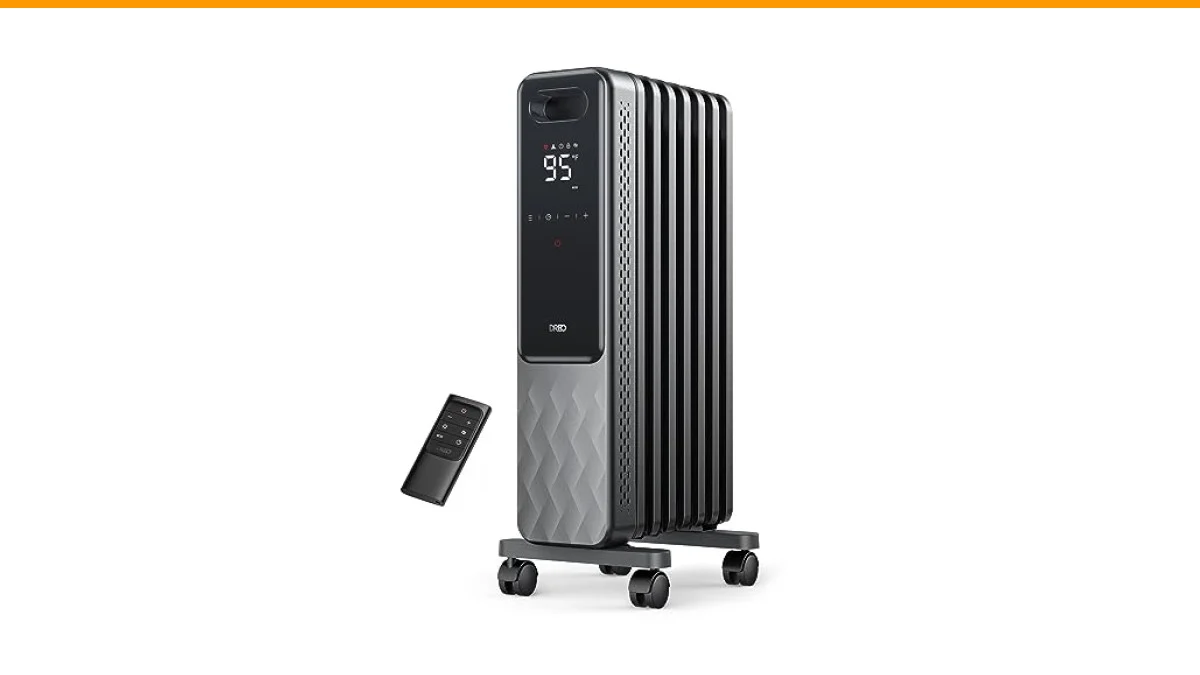
DREO Oil Filled Radiator Heater, Electric Heaters for indoor use Large Room | Quiet, Digital Thermostat, ECO, Remote Control, 4 Modes, Child Lock, Overheat & Tip-Over Protection, 24h Timer, 1500W, Grey
- 360° Whole-Home Warmth: DREO radiator heater delivers swift and silent heating at 1500W, boosting efficiency by 92.3%. Its 7 advan…
- Peaceful Safety: DREO oil filled heater ensures peace of mind with triple overheat protection, fire-resistant material, and ETL li…
- Personalized Comfort: Set your ideal temperature with eco mode. DREO's precise sensor and smart algorithms maintain steady warmth,…
One noteworthy product is the DREO Oil Filled Radiator Heater. This heater provides efficient, quiet heating with advanced safety features, making it an excellent choice for indoor use.
How Do Oil-Filled Radiators and Ceramic Heaters Work?
Understanding how these heaters function is crucial for making an informed decision. Oil-filled radiators use a sealed chamber filled with oil. When electricity heats the oil, it radiates warmth into the room. This type of heater retains heat for a longer time, even after being turned off, providing consistent warmth.
Ceramic heaters, on the other hand, utilize ceramic plates and a fan to distribute heat rapidly. As the ceramic plates heat up, a fan blows air across them, providing instant warmth. This means you’ll feel the heat almost immediately, which is great for quick warming.
Key Differences Between Oil-Filled and Ceramic Heaters
While both heaters serve the same purpose, they have distinct characteristics:
- Heating Time: Ceramic heaters warm up quickly, making them ideal for immediate heating. Oil-filled radiators take longer to reach full temperature but provide longer-lasting warmth.
- Energy Efficiency: Oil-filled radiators are generally more energy-efficient for long periods of heating. Ceramic heaters are efficient for short bursts of heating.
- Portability: Ceramic heaters are often lighter and easier to move around, whereas oil-filled radiators can be bulkier due to their design.
- Noise Levels: Oil-filled radiators operate silently, while ceramic heaters may produce some noise from the fan.
Heating Efficiency: Which One Warms Up Faster?
Ceramic heaters excel in speed. They provide immediate heat, making them suitable for quickly warming up a cold room. For instance, if you turn on a ceramic heater, you’ll feel warmth within minutes. On the flip side, oil-filled radiators are slower to heat but maintain warmth longer. They gradually warm up the room, which can be beneficial if you plan to use them for extended periods.
Safety Features: Protecting Your Home and Family
Safety is paramount when considering any heating appliance. Oil-filled radiators are known for their safety features. They have a built-in thermostat and typically include multiple safety mechanisms, such as overheat protection and tip-over switches. This makes them suitable for use in bedrooms, where safety is a priority.
Ceramic heaters also come with safety features, including overheat protection. However, since many ceramic heaters use fans, there’s a slight risk of the fan malfunctioning, which could lead to overheating. Always check for models that specifically highlight safety features.
Noise Levels: Finding the Quietest Option
For a bedroom, a quiet heater is essential. Oil-filled radiators operate silently, making them perfect for nighttime use. You’ll appreciate the absence of any distracting noise while trying to sleep. On the other hand, ceramic heaters can be noisy due to their fans. If noise is a concern, especially during the night, oil-filled radiators are the better choice.
Portability and Design: Which Heater Fits Your Space?
When considering where to place your heater, portability matters. Ceramic heaters usually come in compact designs and are lightweight, making them easy to move from room to room. Many models have built-in handles or wheels for added convenience.
Oil-filled radiators tend to be heavier and bulkier. While they often come with wheels for mobility, moving them around can require more effort. If you need a heater that can be easily transported, a ceramic heater might be more suitable.
Maintenance Requirements: Keeping Your Heater in Top Shape
Maintenance is critical for ensuring longevity and performance. Oil-filled radiators have minimal maintenance since the oil is sealed and doesn’t need to be replaced. Occasionally, you may need to clean the exterior to keep it dust-free.
Ceramic heaters require more attention. Dust can accumulate on the fan and heating elements, potentially affecting efficiency. Regular cleaning of the filter and fan components is necessary to maintain optimal performance.
Long-Term Cost Analysis: Energy Use and Lifespan
When weighing options, consider the long-term costs associated with energy use. Oil-filled radiators are more energy-efficient over extended periods, which can lead to lower energy bills in the long run. They maintain heat effectively, which reduces the need for constant operation.
Ceramic heaters are less energy-efficient for prolonged use but can be economical for short-term heating needs. If you only need to warm a room quickly, they may be a cost-effective choice. However, running them continuously can lead to higher electricity bills over time.
Environmental Impact: Sustainability Considerations
As consumers become more environmentally conscious, the sustainability of heating solutions is increasingly important. Oil-filled radiators are generally made from durable materials, providing longevity and reducing waste. Their energy efficiency also contributes to lower carbon footprints over time.
Ceramic heaters can vary in their environmental impact, depending on their materials and energy consumption. Some manufacturers focus on using eco-friendly materials, while others do not. Check the specifications and certifications to ensure you’re making a sustainable choice.
User Experiences: Real Reviews and Performance Insights
User feedback can provide valuable insight into the performance of these heaters. Many users appreciate the steady warmth provided by oil-filled radiators, especially during long winter nights. The quiet operation is frequently highlighted, making them ideal for bedrooms.
Ceramic heaters receive praise for their quick heating capabilities. Users often note how effective they are in smaller spaces. However, some report issues with noise from the fan, which can be a drawback in quieter environments.
Best Use Cases: Choosing the Right Heater for Your Needs
Selecting the right heater depends on your specific needs. If you require a heater for a larger bedroom or prolonged use, an oil-filled radiator like the DREO Oil Filled Radiator Heater is a solid choice. Its energy efficiency, safety features, and quiet operation make it suitable for extended use.
For quick heating in smaller spaces or during temporary use, a ceramic heater may be more practical. They excel in providing immediate warmth and are generally easier to transport.
Final Considerations Before You Decide
- Evaluate your heating needs based on room size and insulation quality.
- Consider energy efficiency and long-term costs associated with each heater type.
- Look for safety features, especially if using the heater in a bedroom.
- Take into account noise levels, particularly for nighttime use.
- Check user reviews for real-life performance insights.
Frequently Asked Questions
1. Which heater is better for a medium-sized bedroom?
For a medium-sized bedroom, an oil-filled radiator is often better due to its long-lasting warmth and energy efficiency. However, if you need quick heating, a ceramic heater can also be effective.
2. Are ceramic heaters safe to use overnight?
Yes, ceramic heaters are safe for overnight use if they feature overheat protection and are placed away from flammable materials. However, oil-filled radiators are generally quieter and safer for prolonged use.
3. How much do oil-filled radiators cost to run?
The cost to run an oil-filled radiator varies based on local energy prices and the heater’s wattage. On average, running a 1500W oil-filled radiator continuously can cost about $0.20 to $0.30 per hour, depending on electricity rates.
4. Can ceramic heaters cause allergies?
Ceramic heaters don’t inherently cause allergies, but they can stir up dust if not cleaned regularly. If you have allergies, choose a model with a washable filter and maintain a cleaning schedule.
5. Do oil-filled radiators use more energy than ceramic heaters?
Oil-filled radiators are generally more energy-efficient for prolonged use. Ceramic heaters can be more energy-consuming if used continuously for extended periods, especially in larger spaces.
