
Understanding Propane Heaters and Their Risks
Imagine a chilly evening at home, where you want nothing more than to feel warm and cozy. You decide to use a propane heater to quickly heat your space. While the comfort it provides is undeniable, it’s critical to recognize the associated risks. Improper use of propane heaters can lead to serious safety hazards, including carbon monoxide poisoning and fire risks.
This article will equip you with essential indoor safety rules for using propane heaters. You’ll learn what precautions to take, how to properly install your heater, and best practices for operation. This knowledge will empower you to enjoy the warmth of your heater without compromising your safety.
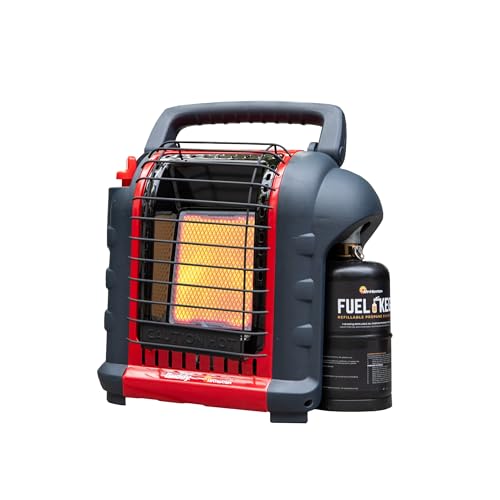
Mr. Heater
Mr. Heater 9,000 BTU Portable Buddy Radiant Propane Heater
- Emits 4,000 or 9,000 BTU/hr radiant heat
- Designed and approved for indoor and outdoor use
- Heats up to approximately 225 square feet
For those in need of a reliable propane heater, consider the Mr. Heater 9,000 BTU Portable Buddy Radiant Propane Heater. It emits between 4,000 and 9,000 BTU/hr, making it suitable for spaces up to 225 square feet, and it features an emergency low oxygen safety system to help protect you.
Key Safety Rules for Indoor Propane Heater Use
Following specific safety rules can significantly reduce the risks associated with indoor propane heaters. Here are essential guidelines:
- Ventilation: Ensure your space is properly ventilated. Propane combustion produces carbon monoxide, which can be deadly in enclosed spaces. Open a window or use a fan to promote airflow.
- Use Carbon Monoxide Detectors: Install carbon monoxide detectors in your home, especially near sleeping areas. These alarms can alert you to dangerous gas levels before they become critical.
- Placement: Position the heater away from flammable materials, including curtains and furniture. Maintain a clearance of at least 3 feet around the heater to avoid fire hazards.
- Follow Manufacturer Instructions: Always read and adhere to the manufacturer’s guidelines for installation and operation. This includes knowing the heater’s proper fuel type and maintenance requirements.
Proper Installation and Operation
Proper setup and operation are vital for safety and efficiency. Here are steps to ensure your propane heater is safely installed and used:
- Read the Manual: Before installing, read the user manual thoroughly. Understand all operational features and safety protocols.
- Secure Connections: Check gas lines for leaks before use. Apply soapy water to the connections; bubbles indicate a leak. Tighten connections if necessary.
- Start and Monitor: When starting the heater, do so in a well-ventilated area. Monitor the heater continuously while it’s running, and never leave it unattended.
- Shut Off Properly: Always turn off the heater when not in use. Allow it to cool before storage to prevent burns or fire risks.
Comparing Propane Heating Options
| Heater Model | BTU Output | Indoor/Outdoor Use | Safety Features |
|---|---|---|---|
| Mr. Heater 9,000 BTU Portable Buddy | 4,000 or 9,000 BTU/hr | Yes | Low oxygen shutoff |
| Campy Gear 2-in-1 Portable Heater | 3,000 BTU/hr | Yes | Tip-over safety shutoff |
| DeWalt 20V Max Heater | 5,000 BTU/hr | Yes | Overheat protection |
Frequently Asked Questions
What are the signs of carbon monoxide poisoning?
Symptoms include headaches, dizziness, shortness of breath, and confusion. If you suspect carbon monoxide exposure, get fresh air immediately and seek medical attention.
Can I use a propane heater while I sleep?
It’s not recommended to use propane heaters while sleeping due to the risk of carbon monoxide buildup. Ensure proper ventilation and consider using a safe electric heater instead.
How often should I check my propane heater?
Inspect your heater before every use. Look for leaks, ensure connections are secure, and check that all safety features function properly.
Are there specific types of propane heaters for indoor use?
Yes, look for heaters labeled as safe for indoor use. They usually have built-in safety features like oxygen sensors and tip-over shutoffs.
What should I do if I smell gas?
If you smell gas while using a propane heater, turn it off immediately, evacuate the area, and contact your gas supplier or emergency services.
Final Safety Reminders
- Always ensure adequate ventilation when using propane heaters.
- Install and maintain carbon monoxide detectors in key areas.
- Keep heaters away from flammable materials and obstructions.
- Regularly check for gas leaks and ensure proper connections.
- Never leave a propane heater unattended while in use.
- Consult the user manual for specific operational guidelines.
- Consider safer heating alternatives when sleeping.



