Heating Made Simple: PTC Heating Elements Explained
Imagine a chilly morning where you want nothing more than a warm cup of coffee. You reach for your trusty coffee maker, and within moments, it’s brewing your favorite blend. The key player in many modern heating devices is the PTC heating element. This technology not only heats quickly but does so efficiently, ensuring your comfort without wasting energy.
This article will delve into what PTC heating elements are, how they function, their advantages and disadvantages, and why they might be the best option for your heating needs. You’ll also learn about specific products like the PTCYIDU 2PCS PTC Heating Element, which serves as a practical example of this technology in action.

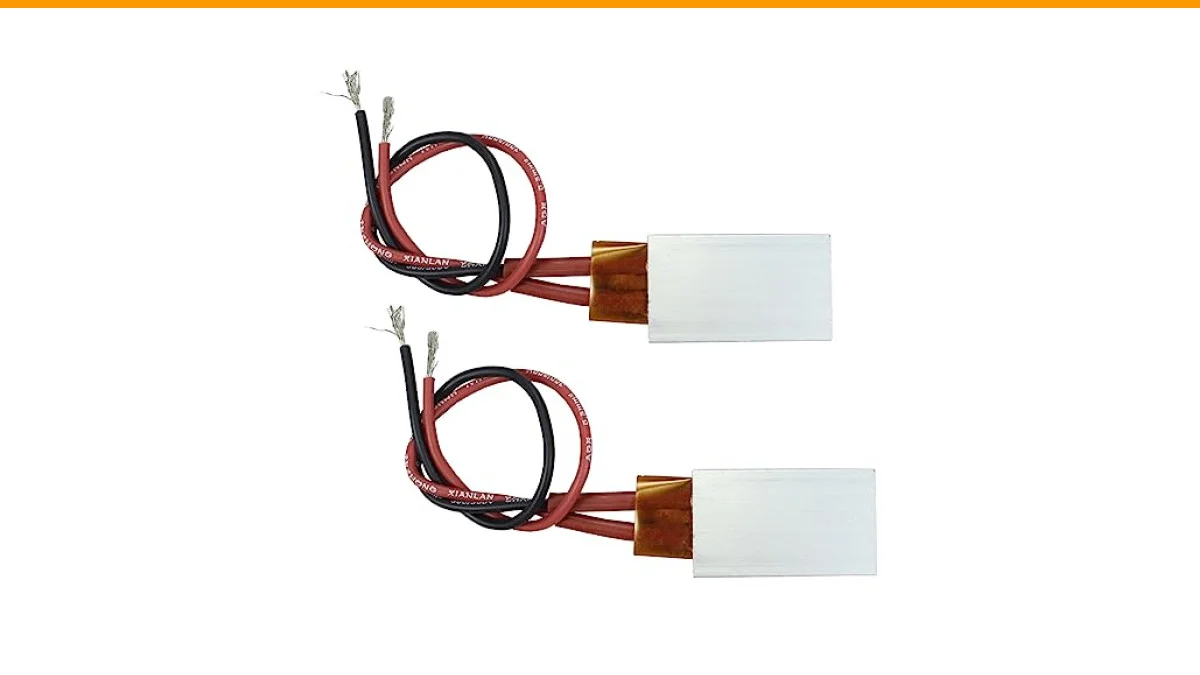
PTCYIDU
2PCS PTC Heating Element AC/DC 12V 200C Fast Heating Ceramic Heaters Plate
- 🔥WORKMANSHIP HEATER MATERIAL: Made of high quality PTC ceramic heating element and Aluminum shell, which is eco-friendly, durable…
- 🔥INSLATOR SURFACE: With insulator on surface, safe to use and can be dry heated for a long serving time, high reliability and cons…
- 🔥EASY TO USE: We Adopts high temperature wire as leading wire, durable and sturdy. Also having a 15cm lead wire provided to you, w…
What is a PTC Heating Element?
PTC stands for Positive Temperature Coefficient. In simple terms, it refers to a material that increases its electrical resistance as its temperature rises. This unique property allows for self-regulation. When a PTC heating element reaches a certain temperature, it effectively limits the flow of electricity, preventing overheating. This results in a safer and more efficient heating process.
Typically made from ceramic materials, PTC heating elements are compact and lightweight. They can reach temperatures up to 200°C (392°F) quickly, making them popular in various applications, from small appliances to automotive components.
How Do PTC Heating Elements Compare to Traditional Heating Elements?
Traditional heating elements, like resistive wire, operate on the principle of continuous current flow to generate heat. They don’t have the self-regulating feature that PTC elements do, which can lead to overheating and energy waste. Let’s look at a direct comparison:
| Feature | PTC Heating Element | Traditional Heating Element |
|---|---|---|
| Self-Regulating | Yes | No |
| Heating Speed | Fast | Moderate |
| Energy Efficiency | High | Variable |
| Overheating Risk | Low | High |
| Applications | Small appliances, automotive | Household heating, ovens |
The table above highlights how PTC heating elements offer superior efficiency and safety compared to traditional options. This makes them ideal for applications where space and energy conservation are important.
Common Misconceptions About PTC Heating Elements
Myth: PTC Elements Are Only for Small Devices
Many people assume PTC heating elements are only suitable for small appliances. While they excel in compact designs, they also have applications in larger systems. For example, automotive preheaters and larger industrial heaters utilize PTC technology effectively.
Myth: PTC Heating Elements Are Expensive
Some believe that the advanced technology of PTC heating elements makes them overly costly. In reality, they can be quite economical, especially considering their energy efficiency and longevity. They often pay for themselves through lower energy bills over time.
Frequently Asked Questions
What materials are PTC heating elements made from?
PTC heating elements are typically made from ceramic materials combined with conductive materials, which enable their unique properties. The PTC ceramic ensures durability and efficient heat generation.
Can PTC heating elements be used in outdoor applications?
While PTC heating elements are versatile, their use outdoors depends on their insulation and protection against moisture. Look for models specifically designed for outdoor use to ensure safety and effectiveness.
What are the typical applications for PTC heating elements?
PTC heating elements are found in a range of devices, including foot baths, water boilers, yogurt makers, and coffee makers. They are also used in automotive applications for preheating engines and components.
Are PTC heating elements energy efficient?
Yes, PTC heating elements are known for their energy efficiency. They adjust their power consumption based on temperature, which means they use less energy once the desired temperature is reached.
How do I install a PTC heating element?
Installation is straightforward. Most PTC heating elements, such as the PTCYIDU model, come with a lead wire for easy connection. Ensure you follow the manufacturer’s guidelines for optimal performance and safety.
Key Points to Consider
- PTC heating elements self-regulate, reducing the risk of overheating.
- They heat quickly, making them efficient for various applications.
- These elements are suitable for both small and larger systems.
- Energy efficiency can lead to lower operating costs.
- Installation is generally user-friendly with included wiring.
- Choose models that meet your specific application needs.
- Research products like the PTCYIDU PTC heating element for practical use cases.



