Understanding Radiant Heaters
Imagine it’s a chilly evening, and you walk into a room that feels cold and uninviting. You want warmth, but traditional heating methods can be slow and inefficient. Radiant heaters offer an effective solution, using direct heat transfer to quickly warm up your space. This article explains how radiant heating works, its advantages and disadvantages, and practical considerations for selecting the right model.
Radiant heaters function by emitting infrared radiation, which directly warms objects and people in their vicinity, rather than heating the air. This method creates a cozy environment almost instantly, making it an attractive option for many households. You’ll come away from this article with a solid understanding of radiant heaters and how to choose one that fits your needs.

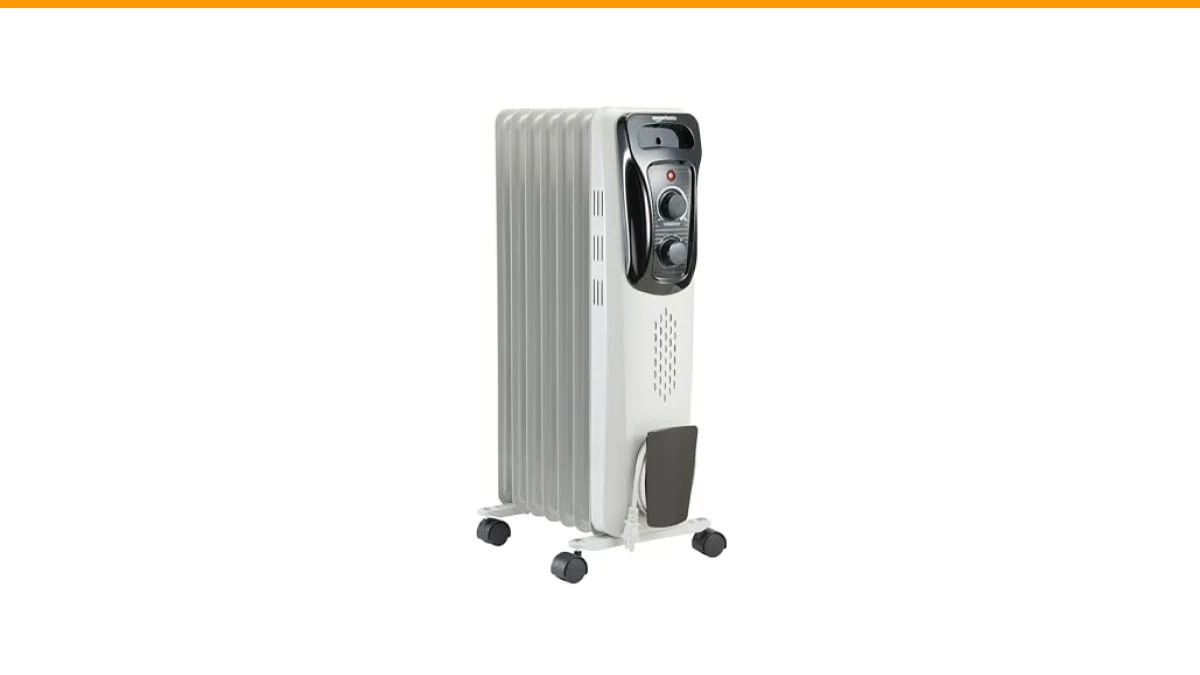
Amazon Basics
Amazon Basics Portable Oil Radiator Heater, Indoor Use, 3 Heat Settings, Over-Heat Protection, ETL-certified Safety, 7 Oil-Filled Steel Fins, 1500W, Tip-Over Protection, 11"D x 14.8"W x 25.2"H, White
- POWERFUL & ADJUSTABLE HEATING: Offers three heat settings—High (1500W), Medium (1000W), and Low (600W) - allowing you to customize…
- LONG-LASTING RADIATOR HEATING: Features seven oil-filled fins that deliver consistent, long-lasting heat, even after the heater is…
- QUIET OPERATION: Enjoy a peaceful environment with no fan noise - perfect for bedrooms, living rooms, and offices.
One option to consider is the Amazon Basics Portable Oil Radiator Heater. With three heat settings and safety features like tip-over protection, it exemplifies how modern radiant heaters combine functionality with safety for indoor use.
How Radiant Heating Works
Radiant heaters operate by transferring heat through infrared radiation. Unlike convection heaters, which warm the air, radiant heaters warm solid objects directly. This makes them highly efficient, especially in smaller spaces. The typical operating temperature for these heaters ranges from 120°F to 180°F.
In practical terms, when you turn on a radiant heater, you’ll feel warmth almost immediately as it heats up the surfaces around it—walls, floors, and furniture. This leads to a more comfortable environment without needing to raise the overall air temperature significantly.
Advantages of Radiant Heaters
Radiant heaters come with several advantages:
- Immediate Warmth: They provide heat quickly, making them ideal for instant comfort.
- Energy Efficiency: Since they focus on heating objects rather than air, they use less energy and can lower heating costs.
- Quiet Operation: Most radiant heaters operate silently, perfect for bedrooms and workspaces.
- Health Benefits: They don’t circulate dust or allergens, which can be beneficial for allergy sufferers.
However, it’s important to note that radiant heating may not be suitable for every situation. For example, larger rooms may require multiple units to achieve adequate warmth.
Disadvantages of Radiant Heaters
While there are many benefits, radiant heaters have some limitations:
- Limited Range: Their effectiveness decreases with distance, so they’re best for smaller spaces.
- Surface Heat: They can cause burns if touched, particularly with models that get hot to the touch.
- Initial Cost: Some radiant heating systems can be more expensive upfront compared to traditional heating systems.
Comparing Radiant Heater Options
| Heater Type | Heating Method | Ideal Space Size | Average Operating Cost |
|---|---|---|---|
| Radiant Panel | Infrared Radiation | Small to Medium | Low |
| Oil-Filled Radiator | Convection & Radiation | Medium to Large | Moderate |
| Infrared Quartz Heater | Infrared Radiation | Small | Low |
| Electric Baseboard | Convection | Medium | Moderate |
Common Questions About Radiant Heaters
1. Are radiant heaters safe to use?
Yes, most modern radiant heaters come with safety features like tip-over protection and overheat shut-off mechanisms. Always check the safety certifications before use.
2. How much space can a radiant heater effectively warm?
Typically, a standard radiant heater can effectively warm spaces of up to 150 square feet. For larger areas, consider using multiple units.
3. Do radiant heaters use a lot of electricity?
They can be energy-efficient, especially when used in smaller spaces. Operating costs vary but can be lower than traditional heating systems, especially for short-term use.
4. Can I leave a radiant heater on overnight?
While many users do, it’s essential to ensure safety features are functioning. Always follow the manufacturer’s guidelines.
5. How do I maintain my radiant heater?
Routine cleaning is essential to keep your heater functioning efficiently. Make sure to follow the instructions in the user manual for maintenance tips.
Final Thoughts on Radiant Heaters
- Radiant heaters provide immediate warmth, ideal for cold rooms.
- They are energy-efficient and can lower heating costs.
- Safety features are crucial; always check for them before purchasing.
- Consider the size of your space when selecting a heater.
- Regular maintenance ensures longevity and safe operation.
- Evaluate your heating needs to determine if a radiant heater is the right choice for you.
- Look into models like the Amazon Basics Portable Oil Radiator Heater for a practical solution.



