As winter approaches, many schools face the challenge of keeping classrooms warm and comfortable. Students and teachers alike notice when temperatures drop, often leading to complaints about chilly environments. To combat this, space heaters can offer supplemental warmth. However, using them in school settings comes with specific guidelines and safety regulations that must be adhered to.
This article covers essential school space heater rules, ensuring you understand how to use them safely and effectively. You’ll learn about safety standards, optimal usage practices, and maintenance tips. Plus, we’ll introduce a notable product that fits these criteria: the DREO Space Heater.

DREO
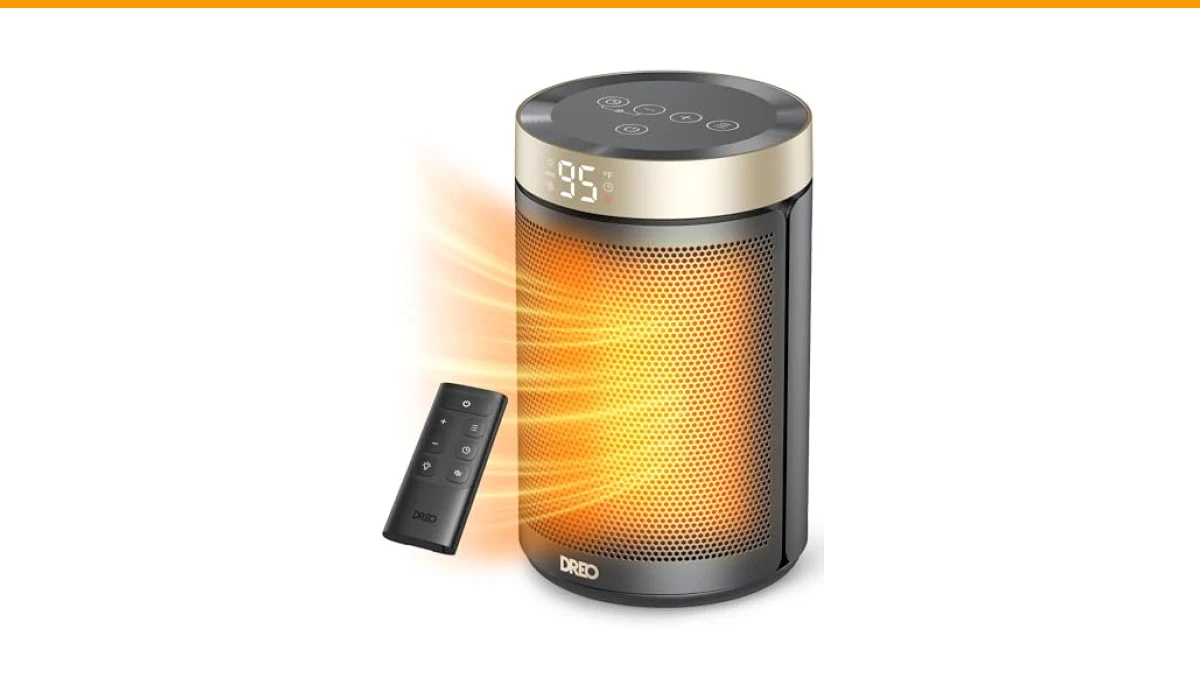
DREO Space Heater, Portable Electric Heaters for Indoor Use with Thermostat | 2026 Upgraded, 34dB Quiet, 12H Timer, 5 Mode, Remote, 1500W PTC Ceramic Fast Safety Heat for Office Bedroom Home, Gold
- Powerful heat that fits everywhere: DREO space heaters for indoor combines Hyperamics 1500W advanced PTC system with a new heat fu…
- Unbreakable safety:DREO goes beyond the unexpected to deliver peace of mind with every room heater. The innovative tilt-detection…
- Ultimate temperature control: The enhanced NTC chipset brings more precision to turn your space heater with thermostat into a smar…
The DREO Space Heater is designed with advanced safety features and efficient heating capabilities, making it a suitable choice for indoor environments. With its powerful heat delivery and built-in safety measures, it helps maintain a warm atmosphere while ensuring compliance with safety standards.
Understanding School Space Heater Rules
Okay, but how much do these rules really matter? The safety of students and staff is paramount. Most school districts have specific guidelines regarding space heater use, emphasizing the need for compliance with safety regulations set by organizations like Underwriters Laboratories (UL) and the National Fire Protection Association (NFPA).
Here are some fundamental rules:
- Space heaters must be UL-listed or certified by a recognized testing laboratory.
- They should be placed at least three feet away from all combustible materials, including curtains and furniture.
- Units must be equipped with safety features like tip-over protection and overheat protection.
- Heaters should never be left unattended while in use.
- Staff should regularly inspect heaters for damage or malfunction.
These rules aren’t just recommendations; they help prevent accidents and ensure a safe learning environment.
Optimal Placement and Usage
<pNow you're probably wondering about the best way to place and use space heaters. Placement plays a crucial role in both efficiency and safety. Here are some key points:
- Designated Areas: Space heaters should only be used in designated areas approved by school administrators.
- Floor Level: Place heaters on a flat, stable surface to avoid tipping. Avoid placing them on furniture or uneven ground.
- Clear Path: Ensure there’s a clear path for airflow around the heater. This maximizes heating efficiency and minimizes fire hazards.
- Temperature Control: Use heaters with adjustable thermostats, like the DREO Space Heater, to maintain a comfortable temperature without excessive energy use.
If heaters are used inappropriately, they can lead to overheating and increased fire risks. Always follow the school’s protocols for usage.
Maintenance and Inspections
<pSo, how do you keep space heaters in good condition? Regular maintenance is key. Here are some guidelines:
- Inspect heaters before use for any signs of wear or damage.
- Clean heaters regularly to prevent dust build-up, which can cause overheating.
- Check the power cord for frays or damage. Replace immediately if any issues are found.
- Ensure that the heater’s safety features, such as tip-over switches, are functioning properly.
Educating staff about maintenance can significantly reduce the risk of accidents.
Comparative Overview of Space Heaters for Schools
| Feature | DREO Space Heater | Traditional Space Heater |
|---|---|---|
| Heat Output | 1500W with advanced PTC system | Varies, often less efficient |
| Safety Features | Tip-over sensor, overheat protection | Basic safety features, may lack advanced sensors |
| Noise Level | 34dB (quiet) | Can be noisy depending on the model |
| Temperature Control | 41-95℉ with 1℉ increments | Limited control options |
| Portability | Lightweight with a handle | Varies; often heavier models |
Frequently Asked Questions
What types of space heaters are safe for schools?
Electric space heaters that are UL-listed and equipped with safety features such as tip-over protection are generally safe. Always check for certifications.
Can space heaters be used in classrooms?
Yes, but only if they comply with school safety regulations. Ensure they are placed in designated areas and monitored by staff.
How often should space heaters be inspected?
Heaters should be inspected before each use, especially at the start of the heating season. Regular maintenance checks are essential.
Is it safe to leave space heaters on overnight?
It is not advisable to leave space heaters unattended while in use. Turn them off when leaving the room to reduce fire risks.
What features should I look for in a school space heater?
Look for features like tip-over protection, overheat protection, adjustable thermostats, and quiet operation. The DREO Space Heater meets these needs effectively.
Final Thoughts
- Ensure all space heaters are UL-listed or certified.
- Maintain a three-foot clearance around heaters.
- Regularly inspect and clean heaters for safety.
- Educate staff on proper heater usage and maintenance.
- Consider energy-efficient models like the DREO Space Heater for optimal performance.
- Always follow your school’s specific guidelines regarding space heater use.
- Monitor temperature settings to balance comfort and energy savings.



