As the cold months approach, many households rely on heating systems to maintain a comfortable environment. A sudden breakdown or inefficiency can lead to discomfort and costly repairs. To avoid these pitfalls, it’s vital to perform regular maintenance on your heater. This article provides a comprehensive seasonal heater maintenance checklist that will ensure your heating system runs smoothly and efficiently.
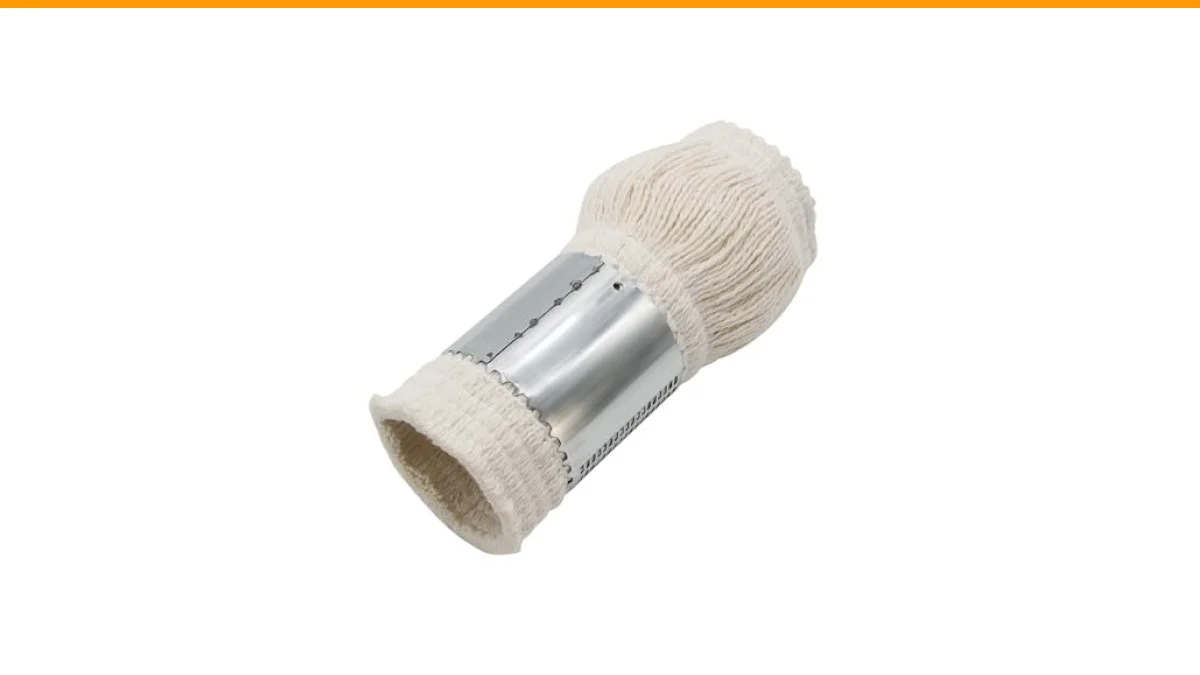
This checklist covers essential tasks to prepare your heater for the winter months. You’ll learn how to inspect, clean, and address any potential issues. Plus, we’ll introduce a reliable product that can enhance your heater’s performance: the Ganivsor AW500 Wick for Kerosene Heat. This replacement wick is designed to fit various models, making it a practical choice for maintaining your kerosene heater.

Ganivsor
Ganivsor AW500 Wick for Kerosene Heat MfrPartNo AW-500 American Wick Fits Many Perfection Models
- Replacement Wick Kerosene Heater Wick# AW-500
- Fits: Perfection 0525M, 730, 735, 750G & all earlier models, Valor 525 & 555
- For installation steps, please see Product Description
1. Inspect the Heater and Its Components
A thorough inspection is the first step in your seasonal heater maintenance checklist. Take the time to examine the heater and its components for any visible signs of wear or damage.
- Check for leaks: Inspect all connections for gas leaks. Use a mixture of soap and water to check for bubbles, which indicate escaping gas.
- Examine electrical connections: Look for frayed wires or loose connections that could cause malfunctions.
- Inspect filters: If your heater has filters, check them for dirt and dust buildup. Clean or replace them as needed to ensure optimal airflow.
2. Clean the Heater
Cleaning your heater is essential for efficient operation. A clean heater runs more efficiently and reduces the risk of breakdown.
- Dust and debris: Use a vacuum or a damp cloth to remove dust and debris from the exterior and surrounding areas.
- Burner assembly: If you have a kerosene heater, clean the burner assembly according to the manufacturer’s instructions. This can prevent soot buildup and improve combustion.
- Flue and chimney: For wood or oil heaters, ensure the flue and chimney are clear of blockages. Creosote buildup can lead to dangerous chimney fires.
3. Test the Heater
Once cleaning is complete, it’s time to test the heater. This step ensures everything is functioning properly before the cold weather sets in.
- Turn on the heater: Start the heater and observe its operation. Listen for unusual noises that could indicate mechanical issues.
- Check for even heating: Monitor the temperature throughout the space to ensure the heater is distributing heat evenly.
- Examine exhaust: Ensure exhaust gases are venting correctly. Improper venting can lead to dangerous carbon monoxide buildup.
4. Schedule Professional Maintenance
While homeowners can perform many maintenance tasks, scheduling a professional inspection is advisable for comprehensive care.
- Annual check-up: A professional can identify potential issues that may not be evident to the untrained eye.
- System tuning: Professionals can adjust settings and calibrate your heater for optimal performance.
- Safety checks: Experts can conduct tests for carbon monoxide and other safety hazards, giving you peace of mind.
Comparison of Heater Maintenance Methods
| Method | Pros | Cons |
|---|---|---|
| DIY Maintenance | Cost-effective, flexible timing | Requires knowledge, risk of missing issues |
| Professional Maintenance | Thorough inspection, expert advice | Costly, requires scheduling |
| Hybrid Approach | Combines cost-effectiveness with expert oversight | Requires organization to execute properly |
Frequently Asked Questions
1. How often should I perform maintenance on my heater?
It’s recommended to perform maintenance at least once a year, ideally before the heating season begins. Regular checks keep your system running efficiently.
2. What should I do if I smell gas?
If you detect a gas smell, turn off the heater immediately, evacuate the area, and contact your gas company. Do not attempt to troubleshoot the issue yourself.
3. Can I clean my heater myself?
Yes, many cleaning tasks can be done by homeowners, such as dusting and checking filters. However, more complicated tasks should be left to professionals.
4. How can I tell if my heater is working efficiently?
Signs of an efficient heater include even heating throughout the space, no unusual noises, and a lack of excessive dust or soot buildup around the unit.
5. What happens if I skip maintenance?
Skipping maintenance can lead to decreased efficiency, higher energy bills, and an increased risk of breakdowns. Neglect can also result in safety hazards like carbon monoxide leaks.
Essential Actions for Your Heater Maintenance
- Inspect visible components for damage.
- Clean filters and surfaces regularly.
- Test the heater’s operation before winter.
- Schedule a professional inspection annually.
- Keep an eye on the fuel supply and quality.
- Replace worn parts like wicks, such as the Ganivsor AW500 Wick.
- Educate yourself on your specific heater model’s maintenance needs.



