As winter approaches, many people turn to ceramic heaters for quick and efficient warmth. You might find yourself wondering where to place your ceramic heater for maximum effectiveness. Should it be on the floor, on a table, or somewhere else? These questions are common, especially for those looking to enhance their home heating without breaking the bank. This article will clarify the best practices for positioning ceramic heaters to ensure safety and efficiency.
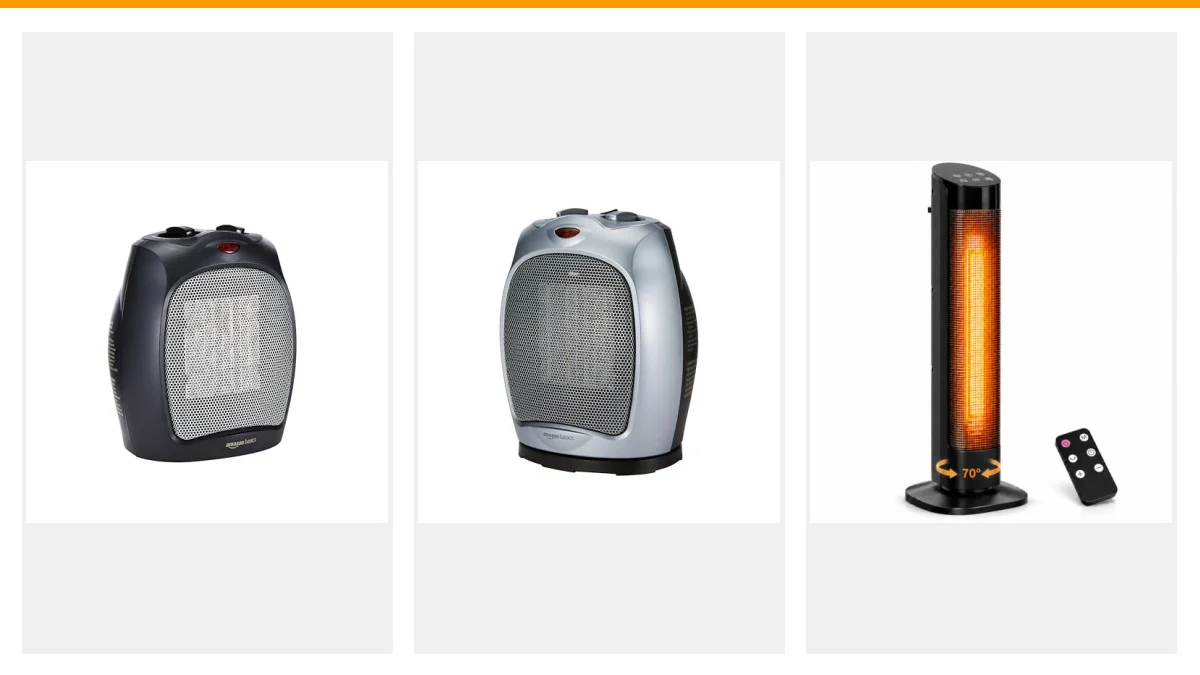
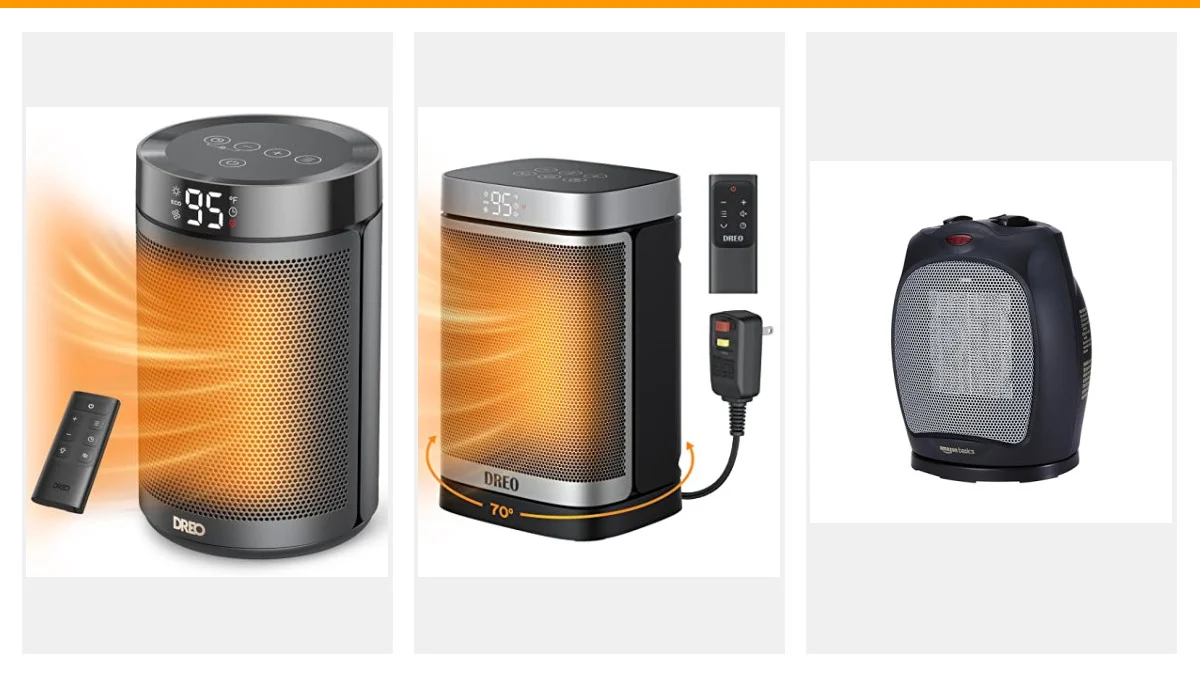
Among the popular choices is the Amazon Basics Ceramic Space Heater. This compact and portable heater combines efficiency with safety features, making it a great option for heating small spaces. It offers customizable heating settings and built-in protections, ensuring a reliable source of warmth.

Amazon Basics
Amazon Basics Ceramic Space Heater, Portable Indoor Heating Solution, With Overheat and Tip-Over Protection, Thermostat, Non-Oscillating, 1500W, Fast Heating, 7.52"D x 6.34"W x 9.45"H, Silver
- CUSTOMIZABLE HEATING OPTIONS: Choose from three settings to suit your needs - High (1500W), Low (900W), or Fan Only for air circul…
- COMPACT & PORTABLE: Weighing just 3 lbs and sized at 7.5“L x 6.3”W x 9.5“H, this space heater is easy to move and perfect for your…
- Built-in Tip-Over Protection, Overheat Protection, and a Power Indicator Light for safe operation.

Understanding the Best Location for a Ceramic Heater
When determining where to place a ceramic heater, the floor is often the most appropriate choice. Here’s why:
- Heat Distribution: Ceramic heaters are designed to radiate heat effectively from the ground up. Placing them on the floor allows heat to rise naturally, warming the room more efficiently.
- Safety Considerations: Keeping the heater on the floor minimizes the risk of it toppling over. Many ceramic heaters, like the Amazon Basics model, come with tip-over protection, but it’s best to avoid placing them where they could easily fall.
- Space Optimization: Floor placement frees up table and shelf space, allowing for better room layout and functionality.
Common Misconceptions About Heater Placement
Many people believe placing a ceramic heater on a table or elevated surface is more effective. This is not always true. Here’s why:
- Myth: Higher is Better. Some think that elevating the heater increases its effectiveness. However, heat rises naturally, so a floor placement will often provide better warmth for the entire room.
- Myth: Near Walls is Safer. While it’s true that heaters should not be placed too close to flammable materials, keeping a heater away from walls can actually enhance airflow, allowing for better heat distribution.
Specific Scenarios for Floor Placement
Different situations might dictate whether a ceramic heater should be placed on the floor:
- In a Small Room: In smaller spaces, like an office or bedroom, placing the heater on the floor helps to create a comfortable environment without overwhelming the space.
- In a Large Room: In larger areas, you might need multiple heaters. Positioning them on the floor can help balance the warmth throughout the space.
- In Drafty Areas: If you have a drafty room, floor placement can help combat the cold air that comes through windows or doors.
Comparative Table: Heater Placement Options
| Placement Option | Pros | Cons |
|---|---|---|
| On the Floor |
|
|
| On a Table |
|
|
| In Corners |
|
|
Can you place a ceramic heater on carpet?
Yes, but it’s essential to ensure that the heater has adequate airflow. Avoid placing it directly on thick carpets that could obstruct airflow or pose a fire hazard.
Is it safe to use a ceramic heater overnight?
Most modern ceramic heaters come with safety features like tip-over and overheat protection, making them generally safe for overnight use. However, always ensure they are placed securely on the floor.
Can ceramic heaters cause fires?
While ceramic heaters can pose a fire risk if misused, following safety guidelines greatly reduces this risk. Always keep them away from flammable objects and use models with safety features.
What’s the best setting for a ceramic heater?
Using a low setting (900W) for prolonged periods is often sufficient for maintaining warmth. The high setting (1500W) is best for quick heating when you first turn on the device.
Do ceramic heaters consume a lot of electricity?
Ceramic heaters are generally more energy-efficient than traditional heaters. The actual consumption depends on the wattage setting and the duration of use. On average, they use less power compared to other heating solutions.
Takeaway Points for Heater Placement
- Place ceramic heaters on the floor for optimal heat distribution.
- Avoid elevated surfaces to reduce the risk of tipping.
- Keep heaters away from walls for better airflow.
- Consider room size when deciding on heater placement.
- Use safety features and guidelines to minimize fire risks.
- Monitor energy consumption to manage heating costs effectively.
- Understand the specific needs of your space for the best results.