Imagine settling into your infrared sauna after a long day, feeling the warmth envelop you, and wondering whether adding water to the heating elements would enhance your experience. It’s a common question among sauna enthusiasts, especially those who want to maximize the benefits of their sessions. But, should you pour water on infrared sauna heating elements? This article will clarify that very question and guide you through the best practices for using your sauna safely and effectively.
Infrared saunas offer unique heating benefits compared to traditional saunas. They employ infrared heaters to radiate heat directly to the body, rather than warming the air around you. Many users enjoy the soothing warmth without needing to add moisture, unlike in traditional steam saunas. You’ll walk away from this article with a clear understanding of whether adding water is beneficial, the potential risks, and some expert tips for optimizing your sauna experience.

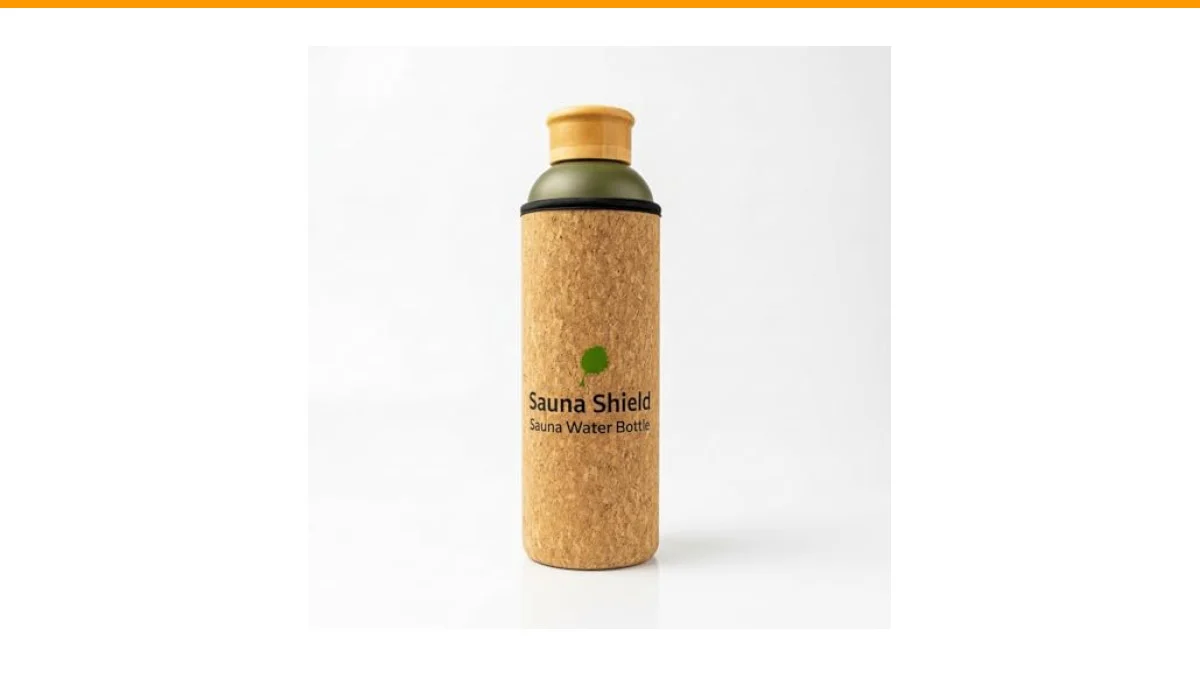
Sauna Shield
Cool-Touch Sauna Water Bottle, 20oz | Insulated Steel, Cork & Bamboo
- Designed for Extreme Heat: Specifically engineered for sauna environments. Stays cool to the touch in temperatures ranging from 19…
- Two Size Options: Available in 34 oz (1L) for long sessions and 20 oz (600ml) for a more compact, portable option. Suitable for bo…
- Natural Cork x Neoprene Exterior: Features a striking, heat-resistant, and removable sleeve. This combination of natural cork and…
If you’re looking for a reliable way to stay hydrated during your sauna sessions, consider the Cool-Touch Sauna Water Bottle. This insulated steel bottle is designed for extreme heat, keeping water icy cold even in high temperatures. It’s perfect for quick hydration between sauna rounds.
 Can you throw water on sauna rocks? #sauna #SaunaLife #SaunaTips #GymSauna #CommercialSaunaWatch on YouTube
Understanding Infrared Saunas
To decide whether you should pour water on infrared sauna heating elements, it’s crucial to understand how these units operate. Infrared saunas use electromagnetic radiation to directly heat the body, allowing for a lower ambient temperature compared to traditional saunas. Most infrared saunas operate between 120°F and 150°F, making them comfortable for longer sessions.
Unlike traditional saunas, which rely on steam and humidity, infrared saunas do not require moisture to work effectively. In fact, many users appreciate the dry heat, which can be more tolerable for extended periods. The absence of steam means that adding water to the heating elements may not only be unnecessary but could potentially disrupt the heating process.
Impact of Adding Water on Heating Elements
Pouring water on infrared sauna heating elements raises a couple of concerns. Here are some aspects to consider:
- Heating Element Damage: Many infrared heaters are not designed to handle moisture. Introducing water can lead to corrosion or damage, shortening the lifespan of your sauna.
- Safety Risks: Water on hot surfaces can create steam, which may lead to burns if you’re not careful. Steam can also cause the sauna to become slippery, increasing the risk of accidents.
- Efficiency Issues: The heating elements are optimized to work without additional moisture. Adding water can potentially interfere with the unit’s efficiency, leading to longer heating times and uneven warmth.
In essence, pouring water on infrared sauna heating elements is generally not recommended. It’s best to enjoy the sauna’s dry heat as designed.
Alternatives to Enhance Your Sauna Experience
If you’re looking for ways to enrich your sauna sessions, consider the following alternatives:
- Use Essential Oils: Instead of water, try adding a few drops of your favorite essential oils to the air. Oils like eucalyptus or lavender can enhance relaxation without risking damage to the heating elements.
- Incorporate Himalayan Salt Stones: Placing salt stones in your sauna can release beneficial minerals into the air, adding to your overall experience.
- Stay Hydrated: Keep the Cool-Touch Sauna Water Bottle nearby for easy hydration. Proper hydration is crucial during sauna sessions, especially since you will be sweating.
- Adjust the Temperature: Experiment with different temperature settings to find your comfort zone. This can help you avoid the urge to add moisture.
Comparative Overview of Sauna Methods
| Sauna Type | Heating Method | Humidity Level | Water Use | Common Benefits |
|---|---|---|---|---|
| Infrared Sauna | Infrared Heating Elements | Low (Dry Heat) | No | Detoxification, Relaxation |
| Traditional Sauna | Wood Stove or Electric | High (Steam) | Yes | Muscle Relaxation, Skin Cleansing |
| Steam Room | Steam Generator | Very High | Yes | Respiratory Benefits, Hydration of Skin |
Common Questions About Infrared Sauna Practices
1. Can I add water to an infrared sauna for humidity?
While some users might seek humidity, adding water directly to the heating elements is not advisable. Instead, consider using external methods like a humidifier or placing a bowl of water in the sauna (if it’s safe for your model).
2. What happens if I accidentally pour water on the heating elements?
If water is accidentally poured on infrared heating elements, it could cause damage or corrosion. It’s best to dry the area as quickly as possible and monitor the sauna’s performance afterward.
3. Are there any benefits to moisture in an infrared sauna?
Some users report that moisture from a bowl of water or damp cloth can enhance the experience. However, direct water on heating elements is harmful.
4. How can I prevent dehydration during sauna use?
Always drink water before and after your sauna session. Using a vacuum-insulated bottle like the Cool-Touch Sauna Water Bottle keeps your water cool and encourages hydration.
5. How long should I stay in an infrared sauna?
Most experts recommend sessions lasting between 15 to 30 minutes. Adjust your time based on personal comfort and hydration levels.
Final Thoughts for an Optimal Sauna Experience
- Don’t pour water on infrared sauna heating elements.
- Consider adding essential oils for enhanced aroma.
- Keep a hydration strategy in mind and use a quality water bottle.
- Experiment with your sauna’s temperature settings for comfort.
- Use alternative methods like salt stones to enrich your experience.
- Always prioritize safety and monitor for any signs of damage.
- Consult the sauna’s manual for specific guidance on maintenance.
With the right approach, you can enjoy the full benefits of your infrared sauna without compromising its effectiveness or safety.