After a long day, you might find yourself sore and fatigued, wondering how to relieve those aches quickly. Perhaps you’ve heard about contrast therapy, a method that alternates between hot and cold treatments to boost recovery. But when it comes to the cold component, many people wonder: should you use ice or just cold tap water? This article will clarify the differences, providing insights into their effectiveness, practical applications, and common misconceptions.
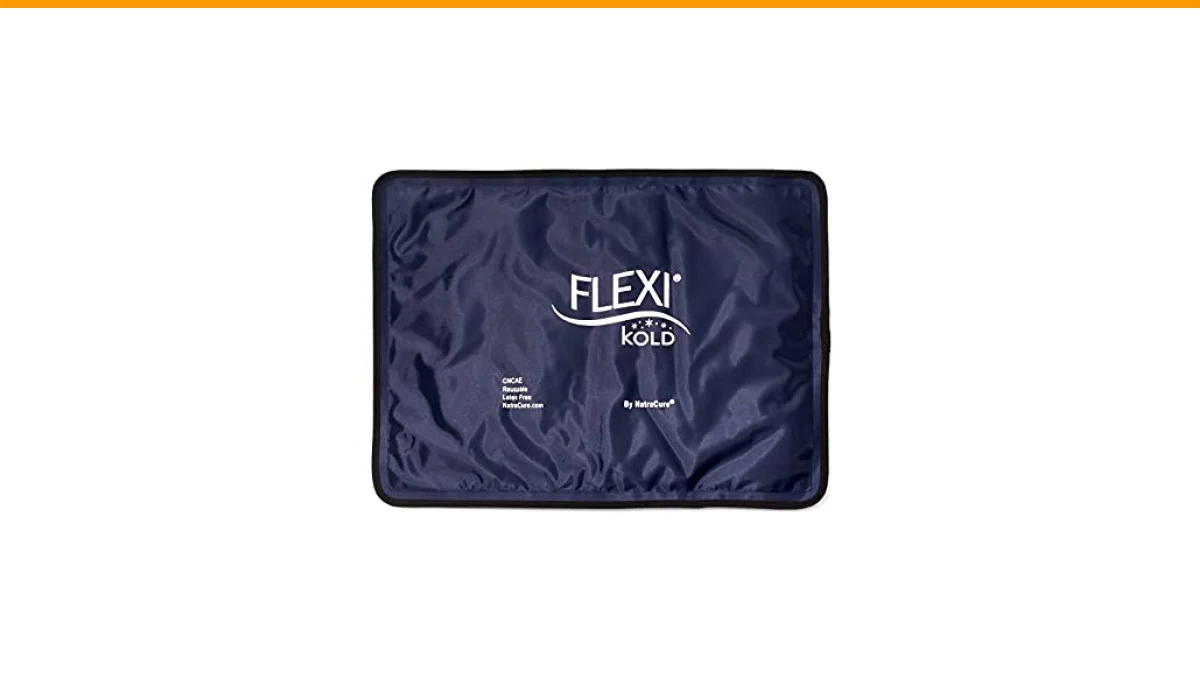
Contrast therapy can be a game-changer for anyone dealing with muscle soreness, injury recovery, or even chronic pain. Understanding the nuances between using ice and cold tap water can help you make informed choices. Also, consider the FlexiKold Gel Ice Packs, which offer a reliable solution for those looking for effective cold therapy. These reusable packs stay colder for longer and provide flexible options for various body parts.

NatraCure
FlexiKold Gel Ice Packs (Standard Large: 10.5" x 14.5") for Injuries Reusable, Back Pain Relief, Knee Wrap, After Surgery, Ice Pack for Knee, Shoulder - 6300-COLD by NatraCure
- Colder For Longer: Reusable ice packs for injuries with proprietary gel interior that stays Colder for Longer. Gel ice packs reusa…
- More Flexible: Includes gel interior that remains pliable when frozen. Makes a great wisdom teeth ice pack head wrap or elbow ice…
- Alternative to Hot packs for pain relief : Used by thousands of physical therapists and medical pros for acute and chronic muscle…
 Why You Should Take Cold Showers with Gary Brecka #coldwatertherapyWatch on YouTube
Understanding Contrast Therapy
Contrast therapy involves alternating between hot and cold treatments. The cold element reduces inflammation and numbs sharp pain, while heat helps to relax and loosen tissues and stimulate blood circulation. This method is commonly used by athletes for recovery but is also beneficial for anyone experiencing muscle soreness.
But how do ice and cold tap water fit into this picture? Let’s explore their characteristics, advantages, and specific use cases.
Ice vs. Cold Tap Water: The Basics
When deciding whether to use ice or cold tap water for contrast therapy, it’s crucial to consider the temperature and duration of the application. Ice packs can reach lower temperatures than cold tap water, which typically hovers around 50°F (10°C) to 60°F (15°C). Here’s a breakdown of how each option performs:
| Method | Temperature Range | Duration of Effect | Ease of Use |
|---|---|---|---|
| Ice Packs | 0°F (-18°C) or lower | Lasts longer; effects can be felt for hours | Requires preparation and waiting time for freezing |
| Cold Tap Water | 50°F (10°C) to 60°F (15°C) | Shorter duration; effects diminish quickly | Immediate access; no preparation needed |
Common Misconceptions About Cold Therapy
Many people believe that cold therapy is only effective when using ice. This is a misconception. Cold tap water can still provide significant relief, especially when ice is not available. However, it generally won’t reach the same levels of numbness and vasoconstriction that ice can achieve.
Another prevalent myth is that cold therapy should always be the first step in recovery. While it’s often beneficial, there are cases where heat might be more appropriate, such as in chronic pain situations or before engaging in physical activities. Adjusting your approach based on specific injuries or conditions is essential.
When to Use Ice vs. Cold Tap Water
The choice between ice and cold tap water often depends on the situation. Here are some specific guidelines:
- Use Ice: For acute injuries, such as sprains, strains, or post-surgery recovery. Ice minimizes swelling and provides targeted relief.
- Use Cold Tap Water: For general soreness or when ice isn’t available. It can still reduce inflammation and is easier to apply quickly.
- Combination: In some cases, alternating between ice and cold water can enhance recovery, especially for athletes preparing for a game or event.
Practical Applications of Contrast Therapy
Using contrast therapy correctly can lead to improved recovery times and reduced pain. Here’s how to apply it effectively:
- Start with heat for 10-15 minutes to relax the muscles.
- Switch to ice (or cold tap water) for 10-15 minutes.
- Repeat the cycle 2-3 times, ending with cold therapy to reduce inflammation.
- Always monitor your body’s response. If you experience increased pain or discomfort, stop the treatment.
Getting the right balance between ice and cold tap water is crucial. Ice packs like the FlexiKold Gel Ice Packs provide the ideal cold treatment, especially for localized areas.
Frequently Asked Questions
1. Can I use ice directly on my skin?
No, applying ice directly on the skin can cause frostbite. Always wrap ice packs in a cloth or towel.
2. How long should I apply cold therapy?
Typically, cold therapy should last 10-15 minutes per session. Allow your skin to return to normal temperature before reapplying.
3. Is cold tap water effective for all injuries?
While cold tap water can reduce inflammation, it may not be as effective as ice for acute injuries or severe pain.
4. How often can I use contrast therapy?
Contrast therapy can be used multiple times per day, depending on the severity of your symptoms. Always listen to your body.
5. Are there any risks to using ice or cold water?
Both methods can lead to skin irritation or frostbite if not used correctly. Monitor your skin during treatment.
Final Thoughts on Contrast Therapy
- Ice is generally colder and provides more intense relief.
- Cold tap water is easier to access and can still be beneficial.
- Understanding your specific needs will help you choose the right method.
- Always prioritize safety to prevent skin damage.
- Consider using high-quality ice packs like the FlexiKold Gel Ice Packs for optimal results.
- Consult a healthcare professional for personalized advice.
- Keep experimenting to find what works best for your body and recovery needs.