You’ve packed the bags, locked the doors, and you’re halfway to the airport. Then it hits you: did I leave the tankless water heater running? It’s a small box on the wall, no tank to leak, no standing pilot light. Common sense says it shouldn’t matter, but that little doubt nags. You wonder if you’re burning electricity or gas for nothing while the house sits empty.
This article gives you a clear, no-fluff answer. I’ve installed and serviced tankless units for over a decade, and I’ve seen the good, the bad, and the costly. You’ll learn exactly when to turn it off, when to leave it on, and the one thing most homeowners get wrong that costs them real money. I’ll also cover how to protect your unit before you walk out the door, so you don’t come home to a repair bill instead of a relaxing memory.
QwikProducts
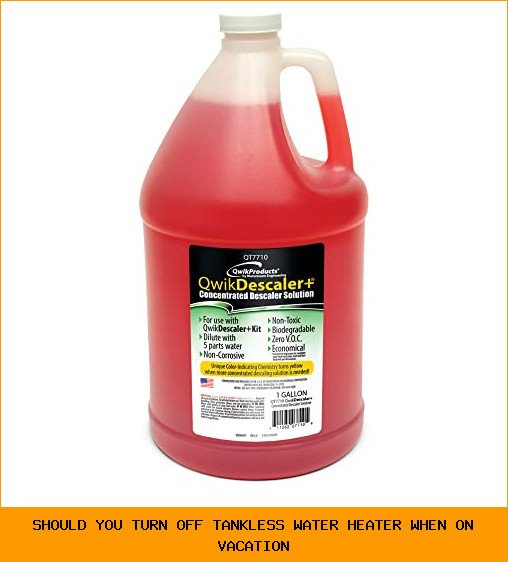
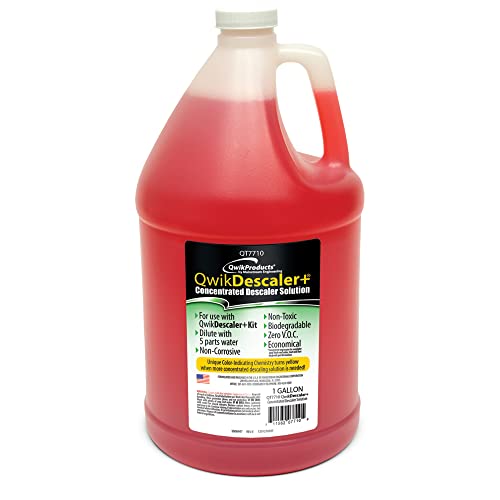
QwikDescaler+ Concentrated Tankless Water Heater Descaler Solution (1 Gal) | Descaling Solvent for Tankless Heat Exchangers & Water Heaters, Quickly Dissolves Scale, Lime, Tarnish and Deposits, 1 Gallon
- QUICKLY FLUSH FLOW PASSAGES: Use this descaler solution to rapidly improve efficiency and open flow passages of heaters and other…
- EFFECTIVE SOLUTION BUT ALSO VERY SAFE: QwikDescaler descaler for tankless water heater is not only extremely effective at flushing…
- IT’S EASY TO TELL WHEN YOU NEED TO ADD MORE: There’s no guesswork with the QwikDescaler+ tankless water heater descaler. If more d…
Let’s start with the short answer: yes, you should turn it off in most cases — but not for the reason you think. The real savings aren’t from the unit itself; they come from avoiding a hidden drain that most people ignore.
Before we dive into the details, I want to mention a product that makes pre-vacation maintenance dead simple. After you shut the water supply and flip the power, it’s smart to flush the heat exchanger if you haven’t done it in the last year. The QwikDescaler+ Concentrated Tankless Water Heater Descaler Solution (1 Gal) does the job without guesswork. It changes color from red to yellow when it’s time to add more, and it won’t release nasty fumes. One gallon handles a full flush, and the built-in metal protectant fights tarnishing while it cleans. I keep a bottle in my truck for every service call.
Myth #1: “My Tankless Unit Uses Zero Energy When Nobody’s Using Hot Water”
This is the most common myth I hear. People assume that because there’s no storage tank, the water heater simply sits idle. Not quite.
Most tankless water heaters have a small circuit board that stays powered on. It monitors for flow sensors and maintains the control panel. Even a gas-fired unit has an electronic ignition module that draws a few watts in standby. Electric models have similar control boards. On average, standby power consumption runs between 2 and 5 watts. That’s roughly the same as a phone charger left plugged in — not a fortune, but it adds up.
If you’re gone for two weeks, 5 watts continuous equals about 1.7 kWh of electricity. At the national average of $0.14 per kWh, that’s about 24 cents. Hardly an argument for flipping the breaker. The bigger savings come from something else entirely.
The Real Drain Nobody Talks About: Recirculation Pumps and Freeze Protection
Here’s where the math changes. Many tankless installations include a recirculation pump that keeps hot water ready at distant faucets. Those pumps draw 30 to 90 watts and cycle on and off all day. If your system has a timer or thermostat on the recirc, it may still run periodically while you’re away. That can cost $5–$15 over a two-week vacation, depending on your electricity rate.
Worse: some gas tankless units have a built-in freeze protection feature that activates when the ambient temperature drops near freezing. This feature fires up the burner briefly to warm the internal components. If you leave the unit on in a cold garage or uninsulated closet, that burner can cycle multiple times a day. Gas consumption goes up, and the wear on the burner assembly accelerates.
So the real question isn’t “does the unit waste power on standby?” It’s “do I have a pump or cold-weather risk that makes leaving it on expensive?”
When You Should Definitely Turn It Off
Turn off the tankless water heater when vacation means:
- You have a recirculation pump that isn’t on a vacation mode or manual switch. The pump will keep cycling.
- Temperatures will stay above freezing (above 40°F / 4°C) in the room where the unit sits. If there’s any risk of freezing, keep the unit on or drain it properly — see next section.
- You’re gone longer than a week. The small standby savings aren’t worth the worry, but the pump avoidance is.
- Your unit is electric and easy to reach. A quick flip of the breaker is fine. For gas units, turn off the gas valve and unplug the power cord or hit the disconnect switch.
But there’s a catch. Turning off the unit does not drain the water inside the heat exchanger. If you live where pipes freeze, you must take extra steps. Otherwise, you could come home to a cracked heat exchanger — a repair that often costs more than a new unit.
| Vacation Scenario | Turn Off Unit? | Additional Steps Needed |
|---|---|---|
| Summer, warm climate, no recirc pump | Yes | None. Just power off and close water shutoff. |
| Winter, unheated space, recirc pump present | Yes | Drain the unit completely or keep it on with freeze protection active. |
| Winter, heated basement, no recirc | Probably not | Leave unit on low freeze-protect mode if available; otherwise drain. |
| Gas unit in an attached garage, temps drop below 40°F | No — unless drained | If you turn it off, you must drain or risk freezing damage. |
The gist: turning off the unit saves money mostly by stopping a recirculation pump. For stand-alone units in warm climates, the savings are minimal. The decision should hinge on freeze risk and pump presence.
How to Properly Turn Off and Drain Your Tankless Water Heater for Vacation
If you decide to shut it down, do it right. Half-baked shutdowns lead to problems.
- Close the gas valve (for gas models) or flip the breaker (for electric).
- Shut off the cold water supply valve leading into the unit.
- Open a hot water faucet somewhere in the house — preferably the lowest one (basement sink or laundry tub). This lets air in and water out.
- Open the unit’s drain port (usually a small valve on the bottom). Let all water drain into a bucket or floor drain.
- For extra protection in freezing weather: after draining, pour one gallon of potable antifreeze (RV type) into the inlet line, or use a descaling solution as a winterizing flush. The QwikDescaler+ works for this — it’s safe for drinking water systems and leaves a protective coating. Just run the solution through per the instructions before draining.
- Leave the drain port open and the hot water faucet open while you’re gone. This prevents any pressure buildup and ensures no standing water remains.
When you return, close the drain, close the faucet, turn on the cold water supply slowly (check for leaks), then restore power or gas. Purge any air by running a hot water faucet for a minute or two.
Myth #2: “Turning It Off and On Will Damage the Unit”
I hear this one a lot. The logic: thermal expansion and contraction cause stress on the heat exchanger. In theory, modern tankless units are built to handle daily on/off cycles. They have expansion provisions and control logic that ramps up the burner gradually.
What actually causes damage is rapid cycling due to a clogged heat exchanger, not turning it off once per season. If your unit has scale buildup, shutting it off and then restarting it with a full load can create hot spots because the water flow is restricted. That’s a real risk. So, if you haven’t flushed your tankless in the last 12 months, do the descaling before you leave for vacation. Use a product like QwikDescaler+ to clear the mineral deposits. It’s quick and gives you visual feedback when the flush is done.
The bottom line: turning the unit off for a week or two is not harmful. Leaving it on and ignoring scale buildup is far worse. Prevention beats repair every time.
Frequently Asked Questions
Does turning off my tankless water heater save a significant amount of money?
In most homes, the savings from standby power alone are tiny — maybe 25 cents for two weeks. The real money comes from stopping a recirculation pump. If you have a pump running, turning off the unit can save $5–$15 per trip. If your home is in a warm climate with no pump, the savings are negligible. Don’t expect to fund your next vacation with the savings, but every bit helps.
What about gas vs. electric tankless water heaters — does it matter?
Gas units have a small control board and an electric ignition that draws power constantly. Turning off the gas and electricity stops those components. Electric units are simpler — no gas valve, just a heating element and a controller. Both save about the same amount from standby. The bigger difference is freeze protection: gas units often have a burner-based freeze cycle that uses fuel, while electric units may have a small heating element. If temperatures drop, a gas unit left on could cost more in gas during cold snaps.
Can I just flip the breaker and leave? Or do I need to drain the water?
If the ambient temperature will stay above freezing where the unit is located, you can simply flip the breaker and close the water shutoff valves — no drain needed. But if there’s any chance of frost (below 40°F), you must drain the unit. Standing water inside a heat exchanger freezes, expands, and cracks the copper or stainless steel. That’s an expensive mistake. When in doubt, drain it.
Will turning off the water supply affect other appliances?
If you shut off the main water supply, yes — toilets won’t refill, ice makers will be dry, and you’ll have no water at all. If you only shut off the dedicated cold water valve to the tankless unit, the rest of the plumbing stays active. That’s the safer approach. Keep the main water on unless you’re winterizing the entire house.
How often should I descale my tankless water heater?
Manufacturers recommend every 6 to 12 months, depending on your water hardness. If you have hard water (over 7 grains per gallon), do it annually at minimum. Using a descaling solution like QwikDescaler+ once a year keeps the flow passages open and prevents the unit from working harder. A clogged heat exchanger is the #1 cause of premature failure. Flushing before a long vacation is a perfect schedule reminder.
What to Do Before You Leave — A Quick Action List
You don’t need a complicated ritual. Here’s what I recommend to every homeowner before a trip:
- If you haven’t flushed the unit in the last year, descale it now with a quality solution.
- Turn off the power and gas (or breaker) to the unit only if freeze risk is zero or you’ve drained it.
- If a recirculation pump is present, disable it manually or use a vacation mode.
- Close the cold water supply valve to the unit to prevent accidental flow.
- In freezing weather, drain the unit completely and leave drain ports open.
- Write a sticky note on the unit saying “off for vacation — date turned off” so you don’t forget to restore it.
- When you return, check for leaks before you walk away. A slow drip from a drain port means the valve didn’t seal.
Turning off your tankless water heater for vacation isn’t a huge money-saver by itself, but it cuts out needless pump cycles and reduces wear. Do it right, and you’ll come home to one less thing to worry about.


