As the colder months approach, many people find themselves reaching for space heaters to keep their homes warm and comfortable. Whether you’re trying to heat a small room or an entire area, understanding the components of space heaters can help you make an informed choice when selecting the right model for your needs. This guide dives deep into the key components of space heaters, their functions, and how they contribute to effective heating.
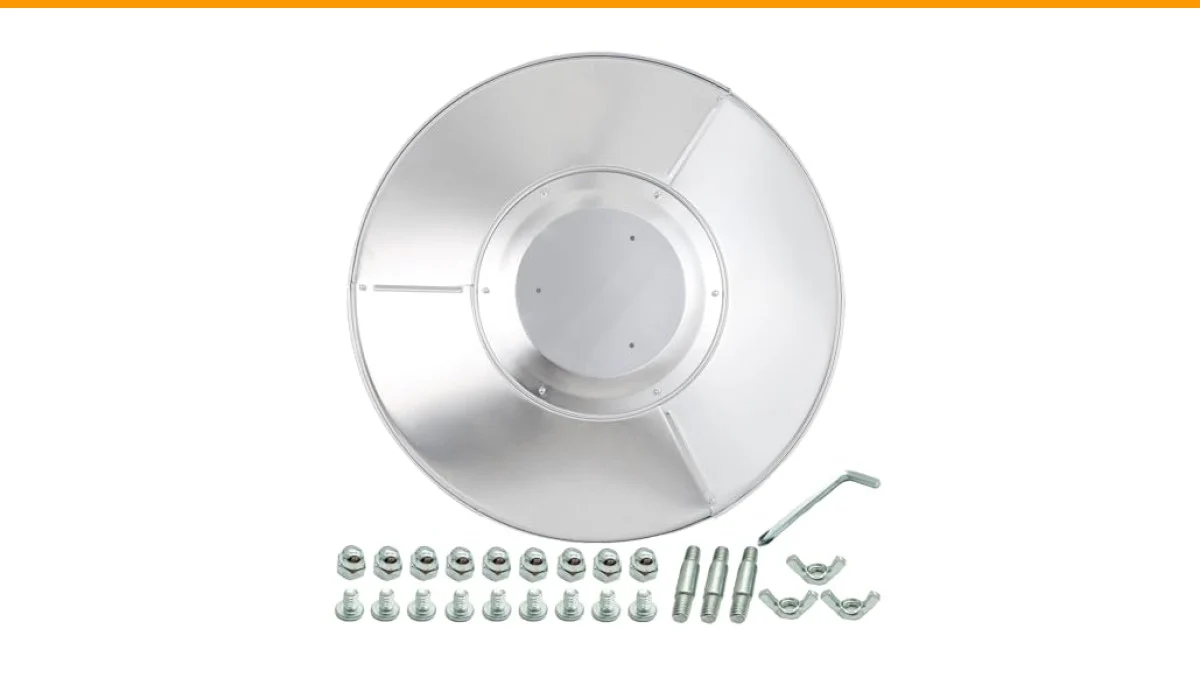
Space heaters come in various forms, such as ceramic, infrared, and oil-filled models, each with unique configurations and components. Knowing how these parts work together enhances your ability to troubleshoot issues and maintain your heater properly. For instance, if you have an outdoor propane heater, you might consider the HQQ outdoor Patio Heater Reflector Shield to optimize the efficiency of your heater by reflecting heat back into your space.

HQQ outdoor
HQQ outdoor Patio Heater Reflector Shield, Aluminum Heat Reflector Shield Top for Outdoor Heaters,Dome Replacement Parts(3-Hole Mount,33" Diameter Round)
- 【For Your Patio Heater】The patio heater reflector shield top is a perfect replacement part for patio heater.HQQ outdoor heat refle…
- 【High Quality Aluminum Material】The patio heater reflector shield is constructed of high grade aluminum for rust resistance, durab…
- 【Easy to Installation】3 pre-drilled mounting holes: the holes are 6 7/8" apart to mount to the main burner screen and you can easi…
Key Components of Space Heaters
Space heaters are built from several essential components, each playing a crucial role in their operation. Here’s a closer look at the primary parts you’ll encounter:
- Heating Element: This is the core component that generates heat. Common materials include ceramic, metal, or carbon, and their efficiency can vary significantly. For instance, ceramic elements heat up quickly and provide consistent warmth.
- Fan: Many space heaters include a fan to circulate warm air throughout the room. This increases the heater’s efficiency and helps distribute heat evenly. Some models have adjustable fan speeds to control airflow.
- Thermostat: A thermostat regulates the heater’s temperature. It can be manual or electronic, allowing users to set their desired temperature for optimal comfort.
- Safety Features: Features such as tip-over protection and overheat shut-off are crucial for safety. These mechanisms prevent accidents, making space heaters safer for use in homes.
- Housing: The outer casing protects the internal components and contributes to the heater’s overall design. Materials used can affect durability and style.
Types of Heating Elements
The heating element is vital to how efficiently a space heater works. There are several types of heating elements to consider:
- Ceramic Heaters: These use ceramic plates to generate heat. They’re energy-efficient and provide quick heating, making them popular for small spaces.
- Infrared Heaters: Infrared heating elements provide warmth by emitting infrared radiation, which directly heats objects and people rather than the air. This type is efficient for larger areas.
- Oil-Filled Radiators: These heaters contain oil that gets heated and retains warmth for extended periods. They’re quieter and ideal for long-term heating.
Understanding Energy Consumption
Space heaters can vary greatly in energy consumption. Most units range from 750 to 1500 watts. Understanding how much power your heater uses can help you manage your energy bills. Here’s a breakdown:
- 750 Watts: Suitable for small spaces or personal use. It consumes less electricity but may take longer to heat up.
- 1500 Watts: Provides rapid heating and is ideal for larger areas. However, it will consume more energy, impacting your electricity bill.
Consider using a heater with an adjustable wattage setting. This flexibility allows you to use less power when full heat isn’t necessary, saving money in the long run.
Comparing Space Heater Components
| Component | Function | Considerations |
|---|---|---|
| Heating Element | Generates heat | Material type influences efficiency and speed |
| Fan | Circulates warm air | Adjustable speeds can enhance comfort |
| Thermostat | Regulates temperature | Electronic models offer precise control |
| Safety Features | Prevents accidents | Look for models with robust safety measures |
| Housing | Protects internal components | Material affects durability and aesthetics |
What are the benefits of using a space heater?
Space heaters provide targeted heating, allowing you to warm specific areas without heating an entire home. This can lead to energy savings, especially in larger houses where central heating may be inefficient.
Can I leave my space heater on overnight?
It’s generally not advisable to leave space heaters running overnight. Always check for safety features like automatic shut-off to minimize risks.
How do I maintain my space heater?
Regular maintenance involves cleaning the heater and inspecting the cord for wear. Ensure the air intake and exhaust vents are clear of dust or debris to optimize performance.
Are space heaters energy-efficient?
Space heaters can be energy-efficient when used properly. They provide direct heat to specific areas, reducing the need for central heating. Choose a model with adjustable settings for the best efficiency.
What size space heater do I need for my room?
The size of the heater depends on the room’s square footage. Generally, you need about 10 watts per square foot. For example, a 1500-watt heater can efficiently heat a space of up to 150 square feet.
Final Thoughts
- Understand the key components of space heaters to make informed choices.
- Different heating elements offer unique benefits and drawbacks.
- Consider energy consumption to manage heating costs effectively.
- Always prioritize safety features when selecting a space heater.
- Regular maintenance extends the life of your heater and ensures efficient operation.
- Reflector shields, like the HQQ outdoor Patio Heater Reflector Shield, can enhance heating efficiency for outdoor models.
- Choose the right size and type of heater for your specific needs.



