Imagine a chilly winter evening, curled up under a blanket, while a comforting warmth radiates from a space heater nearby. This scene, familiar to many, reflects the pivotal role space heaters play in our lives. As temperatures drop, these devices offer a reliable solution for maintaining comfort in homes and workplaces. But how did we arrive at this modern convenience? The history of space heaters is rich and varied, showcasing technological advancements and shifts in design philosophies.
In this article, you’ll uncover the fascinating evolution of space heaters, from ancient methods of heating to contemporary innovations. You’ll also learn about the safety features and efficiency improvements that modern devices, such as the DREO Space Heater, bring to the table. With its advanced heating system, precise temperature control, and safety measures, it exemplifies the progress made in heater technology.

DREO
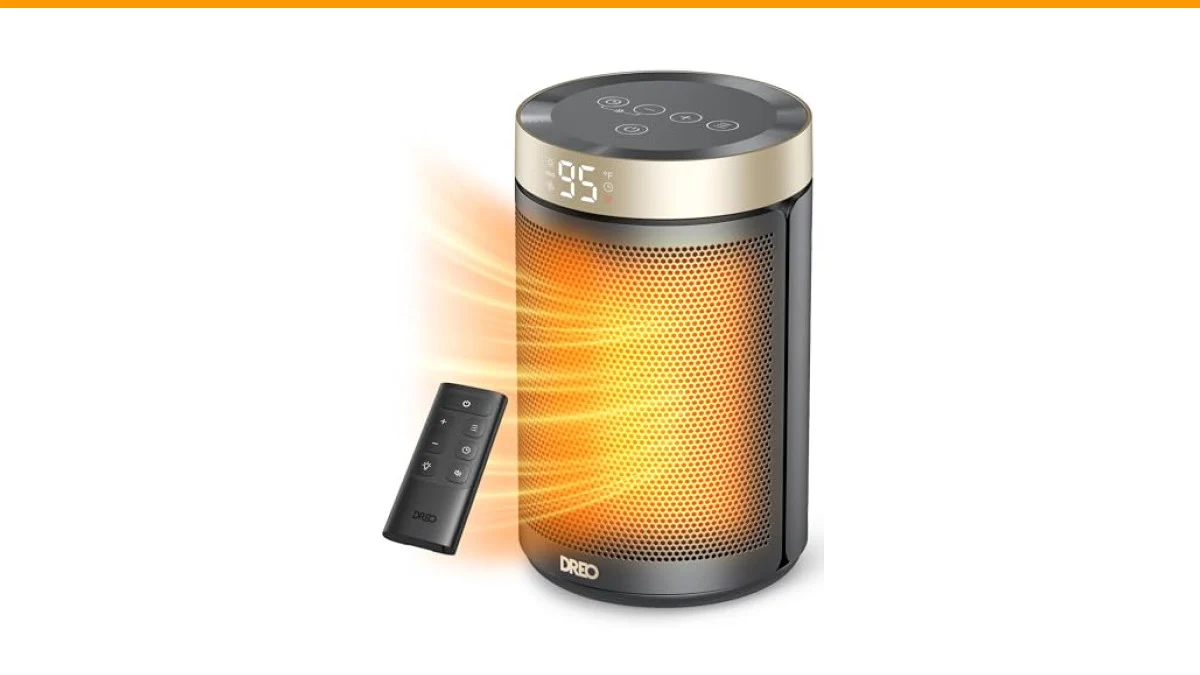
DREO Space Heater, Portable Electric Heaters for Indoor Use with Thermostat | 2026 Upgraded, 34dB Quiet, 12H Timer, 5 Mode, Remote, 1500W PTC Ceramic Fast Safety Heat for Office Bedroom Home, Gold
- Powerful heat that fits everywhere: DREO space heaters for indoor combines Hyperamics 1500W advanced PTC system with a new heat fu…
- Unbreakable safety:DREO goes beyond the unexpected to deliver peace of mind with every room heater. The innovative tilt-detection…
- Ultimate temperature control: The enhanced NTC chipset brings more precision to turn your space heater with thermostat into a smar…
The journey of space heaters can be traced back thousands of years, where early civilizations relied on rudimentary methods to stay warm. The ancient Greeks and Romans utilized hypocaust systems, a form of central heating that circulated hot air beneath floors. This sophisticated method laid the groundwork for further innovations, but it wasn’t until the advent of the Industrial Revolution that space heaters, as we know them today, began to emerge.
Early Innovations: From Fireplaces to Stoves
In the 19th century, space heaters transitioned from open fireplaces to more efficient designs. The invention of cast iron stoves in the early 1800s marked a significant turning point. These stoves were not only more efficient at heating rooms but also safer than traditional fireplaces. They allowed for controlled burning of fuel, which was a considerable improvement.
As the century progressed, manufacturers began producing portable stoves, making heating more accessible. The introduction of kerosene heaters in the late 1800s further expanded options for consumers. These heaters were portable and could be used in various settings, including homes and workshops.
Electricity and the Rise of Electric Heaters
The advent of electricity in the late 19th and early 20th centuries revolutionized space heating. Electric heaters offered a cleaner, more convenient alternative to fuel-based devices. The first electric space heater appeared around 1900, using metal coils to produce heat. However, these early models were often unsafe, with a high risk of fires.
By the 1920s, advancements in electrical engineering led to the development of safer and more efficient electric heaters. The introduction of the thermostat allowed users to control the temperature, providing a more comfortable environment. This capability marked a significant leap in technology, paving the way for modern electric heaters.
Modern Developments: Safety and Efficiency
Today’s space heaters combine cutting-edge technology with a strong emphasis on safety and efficiency. Modern devices, like the DREO Space Heater, utilize advanced PTC heating systems that provide rapid warmth while enhancing air circulation. This innovation can heat spaces faster and more evenly than traditional models.
Safety features have also evolved substantially. Current heaters often include overheat protection, tip-over safety switches, and flame-retardant materials, ensuring peace of mind for users. With noise levels as low as 34dB, many of today’s heaters operate quietly, making them suitable for bedrooms and offices.
| Feature | Traditional Heaters | Modern Electric Heaters |
|---|---|---|
| Heating Method | Fuel-based (wood, kerosene) | Electric (PTC, ceramic) |
| Heating Speed | Slow | Rapid |
| Safety Features | Minimal | Advanced (tip-over, overheat protection) |
| Noise Level | Variable | Quiet (as low as 34dB) |
| Temperature Control | Limited | Precise (41-95℉ in 1℉ increments) |
How do space heaters work?
Space heaters work by converting electricity or fuel into heat. Electric space heaters use resistive heating elements that generate warmth when electricity passes through them. Fuel-based heaters burn materials like kerosene or wood to produce heat. Both types aim to warm a small area efficiently.
Are space heaters safe to use?
Modern space heaters come equipped with multiple safety features, including automatic shut-off systems and tip-over protection. When used according to manufacturer instructions, they can be safe. However, it’s always wise to monitor them and avoid using them while sleeping.
Can space heaters reduce heating bills?
Using space heaters can help lower heating bills by allowing you to heat only the rooms you occupy. This localized heating means you can lower the thermostat for the entire house, conserving energy.
What size space heater do I need?
The size of the heater depends on the space you want to heat. A general rule is to have 10 watts of heating power per square foot. For example, a 1,000-watt heater would effectively warm a room of about 100 square feet.
How long can I run a space heater?
While it depends on the model, most space heaters are designed for continuous use. However, it’s advisable to turn them off when leaving the room or going to sleep. Always follow the manufacturer’s guidelines.
Final Thoughts on Space Heater History
- Space heaters have evolved from ancient methods to modern technologies.
- Electric heaters offer convenience and safety features that traditional options lack.
- Understanding the history of space heaters can inform better choices for home heating.
- Today’s models, like the DREO Space Heater, combine efficiency with user-friendly features.
- Always prioritize safety when using any heating device.
- Consider the size and heating capacity to select the right heater for your space.
- Stay informed about advancements in heating technology for optimal comfort.



