Introduction
Imagine a chilly evening at home, where the warmth of a cozy space heater can transform your living room into a sanctuary. Many people rely on space heaters to keep their homes warm during colder months. However, the variety of heaters available can be overwhelming, and understanding the labels on these devices is crucial for making an informed choice.
This article aims to explain space heater labels, breaking down the terminology and ratings you’ll encounter. You’ll learn what to look for in a space heater, including safety features, energy efficiency ratings, and essential specifications. By the end, you’ll be equipped to choose the right heater for your needs.

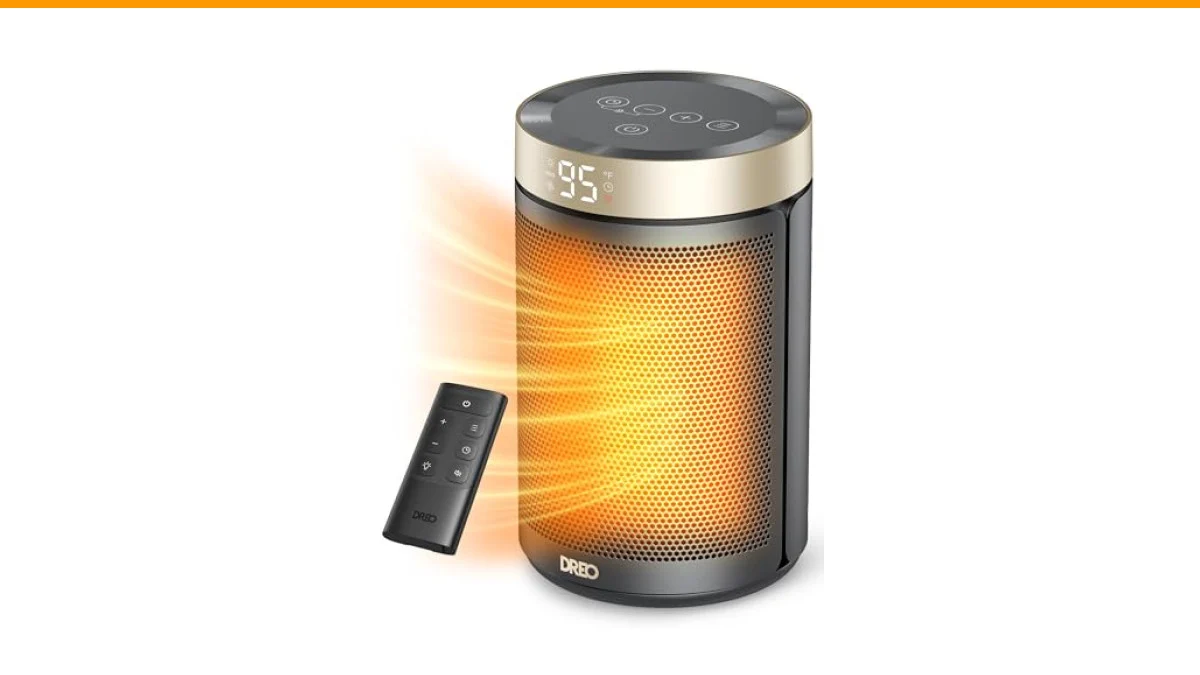
DREO
DREO Space Heater, Portable Electric Heaters for Indoor Use with Thermostat | 2026 Upgraded, 34dB Quiet, 12H Timer, 5 Mode, Remote, 1500W PTC Ceramic Fast Safety Heat for Office Bedroom Home, Gold
- Powerful heat that fits everywhere: DREO space heaters for indoor combines Hyperamics 1500W advanced PTC system with a new heat fu…
- Unbreakable safety:DREO goes beyond the unexpected to deliver peace of mind with every room heater. The innovative tilt-detection…
- Ultimate temperature control: The enhanced NTC chipset brings more precision to turn your space heater with thermostat into a smar…
If you’re considering a specific model, the DREO Space Heater offers excellent features, such as a powerful heating system and safety certifications, making it a solid choice for indoor use.
Understanding Energy Efficiency Ratings
Energy efficiency ratings help you assess how well a space heater converts electricity into heat. Look for the following metrics:
- BTUs (British Thermal Units): This measures the heater’s heating capacity. A higher BTU rating means more heat output. For example, a heater with 5,000 BTUs can warm a small room effectively.
- Wattage: Most space heaters operate between 750 to 1500 watts. A higher wattage typically indicates more heat but also more electricity usage. For instance, a 1500-watt heater uses 1.5 kilowatts per hour, which can impact your electricity bill.
- Energy Star Certification: Heaters with this label meet strict energy efficiency guidelines set by the EPA. They use less power while providing the same amount of heat.
Choosing a heater with good energy ratings can save money on your energy bills over time.
Deciphering Safety Features
Safety is paramount when using space heaters. Understanding the safety labels can help you make a secure choice:
- ETL Certification: This indicates that the heater has been tested for safety and complies with North American safety standards.
- Tip-Over Protection: Heaters with this feature automatically shut off if they are knocked over. This is especially important if you have pets or children.
- Overheat Protection: This feature prevents the heater from overheating, reducing fire risks.
- Flame Retardant Materials: Heaters made from these materials are less likely to catch fire. Look for specifications indicating V0 flame retardant materials.
Focusing on these safety features can provide peace of mind while using your space heater.
Exploring Additional Features
In addition to energy efficiency and safety, consider extra features that can enhance your heating experience:
- Thermostats: Digital thermostats allow you to set your desired temperature, providing more precise heating control.
- Remote Control: This feature adds convenience, letting you adjust settings without getting up.
- Noise Level: The noise produced by a heater can be a deciding factor. Look for models that operate quietly, especially for use in bedrooms.
- Multiple Settings: Heaters with various heat settings (like low, high, or eco mode) allow you to customize the heat output based on your needs.
These additional features can significantly improve your overall satisfaction and comfort with your space heater.
Comparison Table of Space Heater Features
| Feature | DREO Space Heater | Competitor A | Competitor B |
|---|---|---|---|
| Wattage | 1500W | 1500W | 1200W |
| BTU Output | 5,100 BTU | 5,000 BTU | 4,000 BTU |
| ETL Certified | Yes | Yes | No |
| Tip-Over Protection | Yes | No | Yes |
| Overheat Protection | Yes | Yes | No |
| Noise Level | 34 dB | 40 dB | 35 dB |
| Remote Control | Yes | No | Yes |
| Thermostat | Digital | Manual | Digital |
Common Questions About Space Heater Labels
What does BTU mean on a space heater?
BTU stands for British Thermal Unit, a measurement of heat output. Higher BTU ratings indicate a heater’s ability to warm a larger space effectively.
How do I know if my space heater is energy efficient?
Look for energy efficiency ratings, such as Energy Star certification or wattage relative to BTU output. A good balance indicates effective energy use.
What safety features should I look for in a space heater?
Prioritize ETL certification, tip-over protection, overheat protection, and flame retardant materials for enhanced safety.
Are there noise concerns with space heaters?
Yes, some heaters can be noisy. Check the noise level in decibels (dB) before purchasing; lower numbers indicate quieter operation.
Can I use a space heater in any room?
Most space heaters are versatile, but avoid using them in wet areas like bathrooms unless specifically designed for such conditions.
Final Thoughts
- Understand BTUs to assess heating capacity.
- Check for energy efficiency ratings to save on electricity bills.
- Prioritize safety features like ETL certification and tip-over protection.
- Consider additional features for comfort, such as remote control and digital thermostats.
- Refer to comparison tables to evaluate different models effectively.
- Be aware of noise levels when selecting a heater for quiet spaces.
- Read the product labels carefully to make an informed choice.



