Many people rely on space heaters during colder months, hoping for a warm and cozy atmosphere. You might have experienced the frustration of your heater not reaching the set temperature despite running for hours. This situation can leave a room chilly and uncomfortable, especially when you need it most. Understanding the reasons behind this issue can help you troubleshoot effectively and restore comfort to your space.
This article will cover common reasons why a space heater might not reach its desired temperature, potential solutions, and tips for maximizing heating efficiency. You’ll learn how to assess your heater’s performance and ensure it keeps you warm when temperatures drop.

DREO
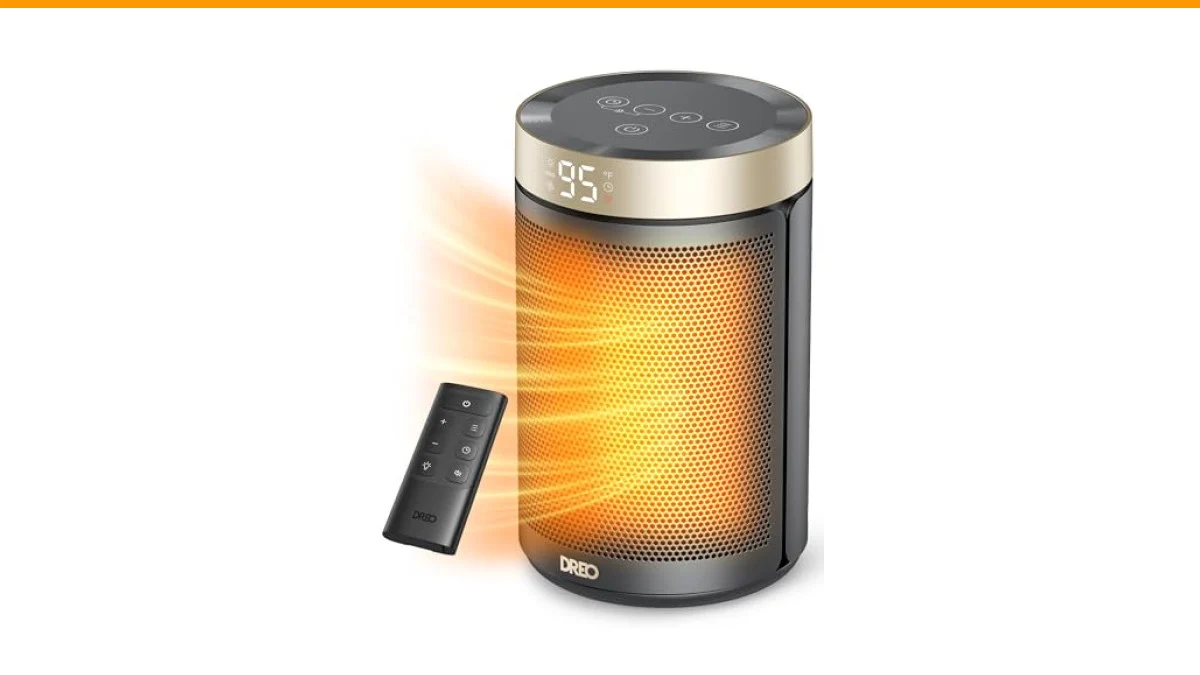
DREO Space Heater, Portable Electric Heaters for Indoor Use with Thermostat | 2026 Upgraded, 34dB Quiet, 12H Timer, 5 Mode, Remote, 1500W PTC Ceramic Fast Safety Heat for Office Bedroom Home, Gold
- Powerful heat that fits everywhere: DREO space heaters for indoor combines Hyperamics 1500W advanced PTC system with a new heat fu…
- Unbreakable safety:DREO goes beyond the unexpected to deliver peace of mind with every room heater. The innovative tilt-detection…
- Ultimate temperature control: The enhanced NTC chipset brings more precision to turn your space heater with thermostat into a smar…
For those looking for a reliable solution, consider the DREO Space Heater. This portable electric heater features advanced heating technology and precision controls, making it a solid choice for indoor use. Its efficient design and safety features can help address some of the common heating issues you might face.
Common Reasons a Space Heater Isn’t Reaching Set Temperature
Okay, but what causes a space heater to fall short? Here are some of the most frequent culprits:
- Insufficient Power: Many space heaters operate on a maximum wattage. If your heater is rated at 1500W but the outlet can’t provide enough electricity, performance suffers. Ensure the heater is plugged into a standard outlet that can handle its power needs.
- Room Size: Consider the size of the room versus the heater’s capacity. A heater designed for small spaces may struggle to warm a larger area effectively. Check the manufacturer’s specifications for recommended room sizes.
- Airflow Issues: Blocked vents or improper placement can restrict airflow. Ensure the heater is placed in an open area, away from walls or furniture that might obstruct heat distribution.
- Temperature Settings: Setting the thermostat too low can prevent the heater from achieving its maximum output. Most heaters have an ideal range. Make sure your settings are appropriate for the comfort level you desire.
- Faulty Components: If the heater is damaged or malfunctioning, it may fail to reach the set temperature. Inspect for any visible signs of wear and tear.
Effective Solutions to Improve Heater Performance
So, what can you do to improve your heater’s performance? Here are some practical solutions:
- Check the Power Source: Ensure the outlet is functioning correctly. If possible, try plugging the heater into a different outlet to see if it makes a difference.
- Adjust the Thermostat: Experiment with higher temperature settings. Sometimes, simply raising the temperature can help your heater work more efficiently.
- Optimize Room Insulation: Cold drafts can drastically affect heater performance. Make sure windows and doors are sealed properly. Using thermal curtains can also help retain heat.
- Position the Heater Wisely: Place the heater in an area where it can circulate air freely. Keep it away from walls and furniture that could block heat flow.
- Regular Maintenance: Clean the heater regularly to prevent dust build-up. Dust can obstruct airflow and reduce heating efficiency.
Comparative Table of Space Heater Features
| Feature | DREO Space Heater | Standard Space Heater |
|---|---|---|
| Power Output | 1500W | Varies (often 750-1500W) |
| Heating Technology | PTC Advanced System | Traditional Heating Elements |
| Temperature Range | 41-95℉ | Varies (often fixed settings) |
| Noise Level | 34dB | 50dB or higher |
| Safety Features | Tip-over protection, overheat protection | Basic safety features |
Frequently Asked Questions
1. Why is my space heater not heating up at all?
If your space heater isn’t heating, check the power source. Ensure it’s plugged in properly and that the outlet is functioning. Also, inspect for any visible damage to the heater.
2. Can I use an extension cord with my space heater?
It’s generally not recommended to use an extension cord with space heaters. They require a direct connection to a wall outlet to avoid overheating or tripping the circuit.
3. Is it safe to leave a space heater on overnight?
Leaving a space heater on overnight can be risky. Always check for safety features like tip-over protection and consider turning it off before sleeping.
4. How often should I clean my space heater?
Regular cleaning every few weeks is a good practice, especially during heavy usage seasons. Dust build-up can impact performance and safety.
5. What should I do if my heater has a strange smell?
A strange smell can indicate dust burning off or a mechanical issue. Turn off the heater and inspect it. If the smell persists, consider having it serviced or replaced.
Practical Tips for Efficient Heating
- Use a programmable timer to manage heating times effectively.
- Keep the heater clean and free from obstructions.
- Consider using multiple heaters for larger spaces.
- Invest in a heater with smart temperature control for added efficiency.
- Monitor electrical usage to ensure safe operation.



