Winter can be a tough time for those living in colder climates. Picture this: you come home after a long day, shivering from the chill in the air. You want to warm up quickly without racking up huge energy bills. Solar energy offers a compelling solution, allowing you to heat your space while reducing your carbon footprint.
This article will guide you through the world of space heaters powered by solar power, covering types of heaters, how to integrate them with solar energy, and some practical considerations. You’ll walk away understanding the advantages and limitations of different heating methods and how you can create a cozy, sustainable environment.
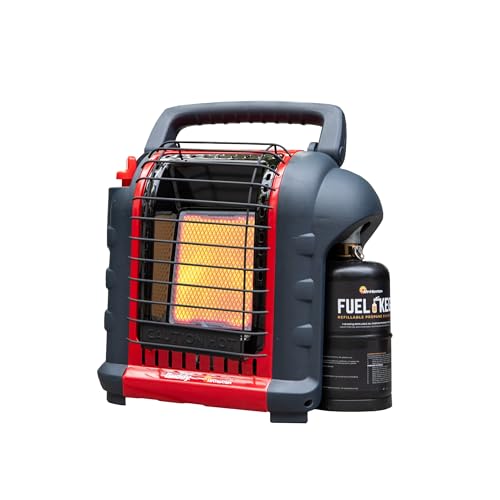
Mr. Heater
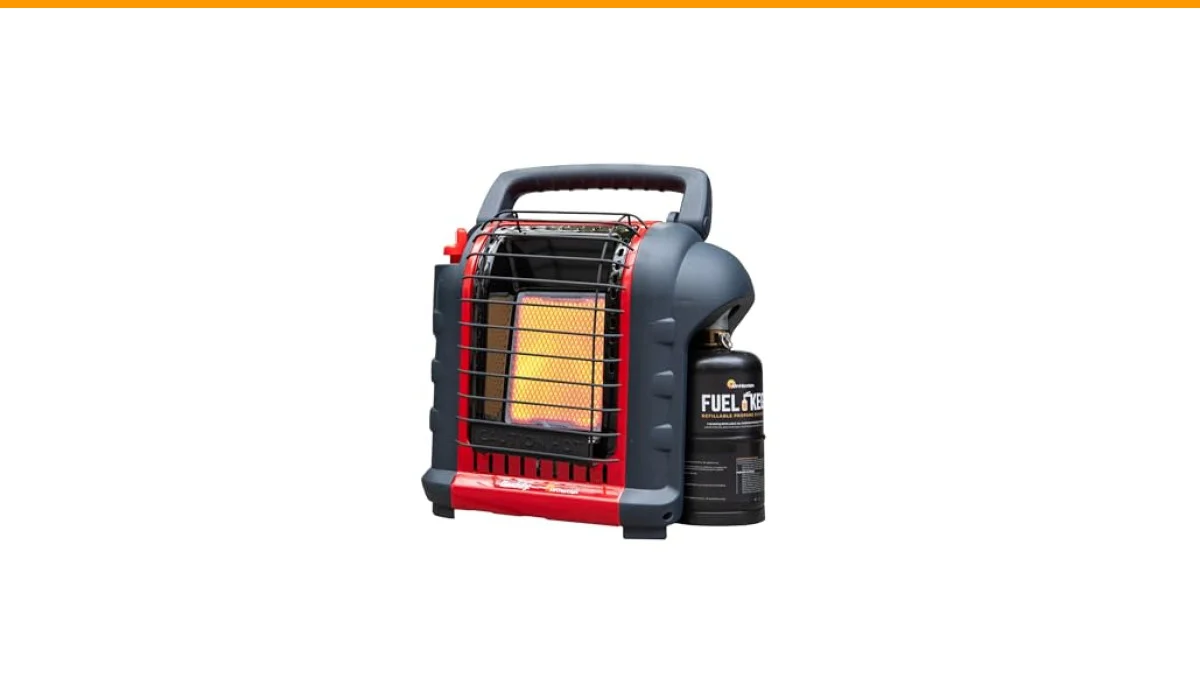
Mr. Heater 9,000 BTU Portable Buddy Radiant Propane Heater
- Emits 4,000 or 9,000 BTU/hr radiant heat
- Designed and approved for indoor and outdoor use
- Heats up to approximately 225 square feet
For those who prefer immediate heat without the complexities of solar integration, consider the Mr. Heater 9,000 BTU Portable Buddy Radiant Propane Heater. This propane heater efficiently warms areas up to 225 square feet and is designed for both indoor and outdoor use, making it a versatile option for various settings.
Understanding Solar-Powered Space Heaters
Solar-powered space heaters convert sunlight into usable heat, leveraging renewable energy. They can be divided into two main categories: active and passive systems. Active systems use mechanical components, like fans and pumps, to circulate air or water. Passive systems rely on building materials and design to absorb and retain heat.
Active solar heating systems typically include solar collectors, which capture sunlight, and a storage system to hold the heat. For example, a solar air heater can warm air directly, which can then be pumped into your living space. Meanwhile, solar water heaters heat water that can be circulated through radiators to provide warmth.
Evaluating the Performance of Solar Space Heaters
When considering a solar space heater, take into account several performance metrics:
- BTU Output: This measures the heater’s heating capacity. A higher BTU means more heat. For example, a unit with 9,000 BTUs can effectively warm an area of approximately 225 square feet.
- Efficiency: Look for units with a high efficiency rating. Solar heaters can achieve efficiencies of 60% to 90% depending on the design and location.
- Installation Requirements: Some systems are easy to install yourself, while others may need professional assistance. Assess your DIY skills and the complexity of the installation.
- Cost: While initial investments can be high, solar heaters often pay off in energy savings over time.
Integrating Solar Power with Space Heating
To successfully integrate a solar heating system, you’ll need a few key components:
- Solar Panels: These are the backbone of any solar energy system, converting sunlight into electricity.
- Inverter: This device converts the direct current (DC) produced by the solar panels into alternating current (AC) that can be used by most space heaters.
- Battery Storage (Optional): For areas with inconsistent sunlight, batteries can store excess energy for use during cloudy days or at night.
Combining solar panels with an electric space heater can make your home more energy-efficient. For instance, a 1 kW solar panel system can produce around 4 kWh of electricity daily, enough to power a small electric heater for several hours.
Cost Comparison of Heating Options
| Heating Method | Initial Cost | Operating Cost (per month) | Efficiency |
|---|---|---|---|
| Solar-Powered Space Heater | $1,000 – $5,000 | $20 – $50 | 60% – 90% |
| Electric Space Heater | $50 – $300 | $30 – $100 | 80% – 100% |
| Propane Heater (like Mr. Heater) | $100 – $300 | $40 – $80 | 75% – 90% |
This table showcases the costs associated with different heating methods. While the initial cost of solar-powered heaters can be higher, the long-term savings can justify the investment.
How do solar space heaters work?
Solar space heaters capture sunlight using solar panels or collectors. The energy is converted into heat, which is then distributed into your living space through air or water circulation.
Can solar heaters work in cloudy weather?
Yes, solar heaters can still operate on cloudy days, although their efficiency may be reduced. A well-designed system with battery storage can provide consistent heat even during low sunlight periods.
Are solar space heaters worth the investment?
Many find solar space heaters worth it in the long run due to energy savings and reduced environmental impact. Evaluating your local energy costs and sunlight availability can help determine if it’s a good fit for you.
How much maintenance do solar space heaters require?
Maintenance needs are generally low for solar space heaters. Regularly check for debris on solar panels and ensure any mechanical parts are functioning properly. Annual inspections can help prolong the life of the system.
What is the lifespan of a solar heating system?
Most solar heating systems have a lifespan of 20 to 25 years, depending on the quality of materials and installation. Proper maintenance can help extend this period.
Closing Thoughts on Solar-Powered Space Heating
- Consider both initial and operating costs when choosing a heating method.
- Understand the efficiency ratings to make informed decisions.
- Explore both active and passive solar heating options for your space.
- Evaluate your local climate and sunlight availability for optimal performance.
- Regular maintenance can significantly enhance the longevity and efficiency of your system.
- Don’t overlook the potential benefits of combining solar heating with other heating methods.
- Research local incentives or rebates for installing solar energy systems to save on upfront costs.



