Understanding the Tip-Over Switch in Space Heaters
Imagine it’s a chilly evening. You reach for your space heater, expecting warmth as it crackles to life. Then, suddenly, it shuts off. You check the power and find everything is in order. What could be wrong? One common culprit is a stuck tip-over switch. These safety mechanisms are designed to turn off the heater if it tilts, preventing potential hazards. However, they can malfunction, leaving you in the cold and unsure of how to proceed.
This article will help you understand the function of a tip-over switch, how to troubleshoot a stuck one, and when to consider replacements. You’ll also learn about a reliable product option that can restore your heater’s functionality.

DuckcowsC
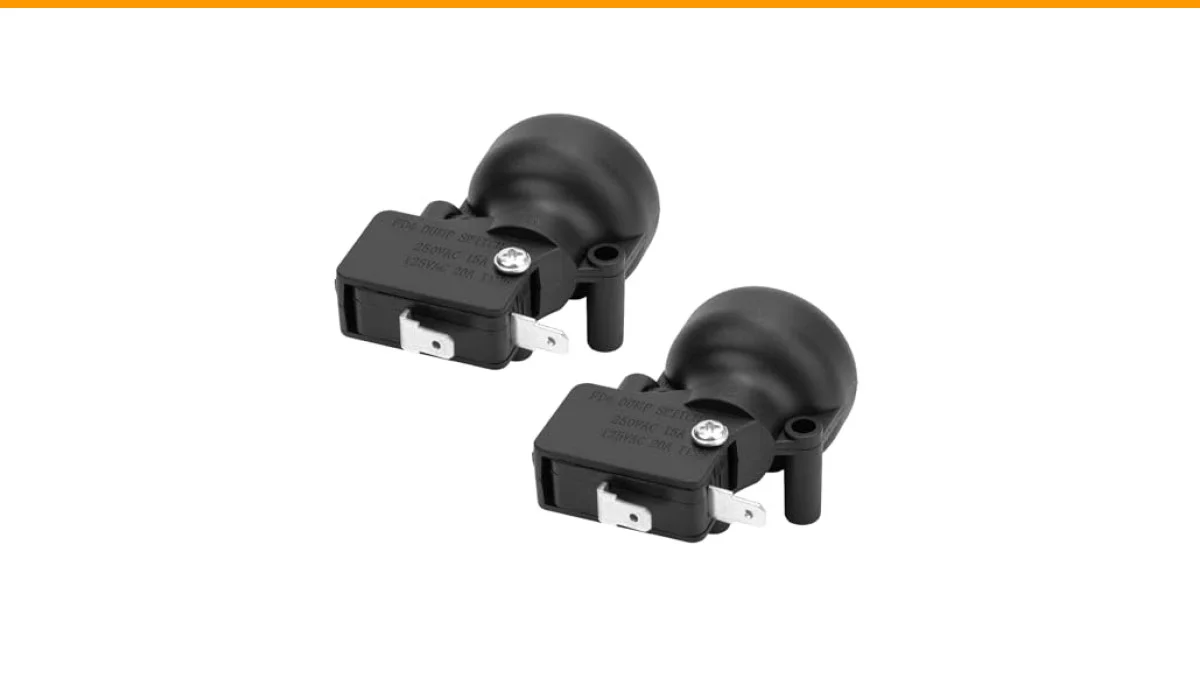
2 Pack Patio Heater Tip Over Switch, FD4 Dump Switch 250V 15A/125V 20A T125 | Tilt Safety Shut-Off for Propane Gas Outdoor/Room Heater, 4.8mm Terminals, Fits Major Retailer Models
- 【Compatibility】The FD4 dump switch fits room gas heaters, patio heaters and tank-top heaters. Compatible with select models from m…
- 【Product Features】When the heater tilts ≈22°, the propane heater tip-over switch instantly cuts the millivolt circuit to the gas s…
- 【Product Specifications】Rated 250 V 15 A / 125 V 20 A dual voltage with T125 thermal class and 4.8 mm terminals, one fd4 dump swit…
If you’re experiencing issues with your space heater, consider the DuckcowsC 2 Pack Patio Heater Tip Over Switch. This dual voltage dump switch is compatible with various heater models and can be a straightforward solution for your heating needs.
What Is a Tip-Over Switch?
A tip-over switch is a safety feature in many space heaters. It activates when the heater is tilted at an angle of approximately 22 degrees. When this happens, the switch cuts off the power to prevent gas leaks or fire hazards. Understanding how this switch works is essential for troubleshooting issues.
For instance, if your heater is on a carpet and is accidentally nudged, the switch may activate, and the heater will turn off. This feature is crucial for ensuring safety in environments where heaters may be inadvertently moved or tipped over.
Diagnosing a Stuck Tip-Over Switch
When your heater won’t turn on, the tip-over switch might be stuck in the off position. Here’s how to diagnose the problem:
- Check the Placement: Ensure your heater is on a flat, stable surface. If it’s on an uneven surface, adjust its position.
- Inspect the Switch: Locate the tip-over switch on your heater. Often, it’s a small button or lever near the base. Manually press it to see if it clicks back into place.
- Listen for the Click: When the switch is functioning correctly, you should hear a distinct click when pressed. If you don’t, it may be jammed.
- Test with a Level: Use a level tool to ensure the heater is perfectly upright. If it’s not, the tilt mechanism could be activated without visible signs.
Document any irregularities during this process. If the switch seems to be functioning but the heater still doesn’t operate, other internal issues may be present.
Fixing a Stuck Tip-Over Switch
If you’ve confirmed that the tip-over switch is indeed stuck, here are steps to fix it:
- Power Off: Always unplug the heater before attempting any repairs.
- Access the Switch: Depending on your heater model, you might need to remove a panel to access the switch. Use a screwdriver to take off any screws holding the panel in place.
- Inspect the Mechanism: Check for any debris or obstructions that may be preventing the switch from moving. Clean around it gently.
- Test the Mechanism: Try to move the switch manually. If it’s stuck due to dirt or grime, cleaning should help it function again.
- Reassemble and Test: Once everything is clean and reassembled, plug the heater back in and test it. Ensure it operates correctly without any sticking.
If these steps don’t resolve the issue, it might be time for a replacement.
When to Replace the Tip-Over Switch
Replacement is necessary when the switch is damaged beyond repair or constantly malfunctions. You should consider replacing it if:
- The switch doesn’t respond to manual operation.
- There are visible signs of physical damage.
- The heater turns off randomly without any movement.
The DuckcowsC 2 Pack Patio Heater Tip Over Switch is a viable option for those needing a reliable replacement. It fits various heater models and is built to withstand high temperatures, ensuring durability.
Comparison Table of Tip-Over Switch Options
| Model | Compatibility | Voltage Rating | Features |
|---|---|---|---|
| DuckcowsC FD4 | Gas heaters, patio heaters | 250V 15A / 125V 20A | Quick cut-off at 22° tilt |
| Generic Replacement | Varies by model | 120V | Standard cut-off feature |
| Premium Switch | High-end models | 250V | Enhanced durability and response |
Frequently Asked Questions
1. What causes a tip-over switch to get stuck?
Common causes include dirt buildup, a faulty mechanism, or improper heater placement. Regular maintenance can help prevent these issues.
2. How can I tell if my tip-over switch is broken?
If the heater fails to turn on despite being upright, the switch may be defective. Testing it manually can confirm its functionality.
3. Is it safe to use a heater without a tip-over switch?
No, using a heater without this safety feature increases the risk of fire or gas leaks. Always ensure your heater has a functioning tip-over switch.
4. Can I replace the tip-over switch myself?
Yes, if you’re comfortable with basic tools and have the right replacement part, you can replace it yourself. Otherwise, consult a professional.
5. How often should I check my space heater’s safety features?
Inspect your heater’s safety features, including the tip-over switch, at the start of each heating season. Regular checks help ensure safe operation.
Essential Reminders for Space Heater Safety
- Always place heaters on flat, stable surfaces.
- Unplug heaters when not in use.
- Keep flammable materials away from heaters.
- Regularly inspect and maintain your heater.
- Replace faulty components immediately to prevent hazards.
- Use compatible replacement parts for repairs to ensure safety.
- Perform safety checks before each heating season.



