Cold winter nights can turn cozy homes into frigid spaces. When the chill sets in, many people rely on space heaters to keep warm. However, not all heaters are created equal. Understanding how to choose the right wattage can make a significant difference in efficiency and comfort. A space heater wattage calculator helps determine the required wattage for heating a specific room size, ensuring you select the best option for your needs.
This guide will walk you through the process of using a space heater wattage calculator effectively. You’ll learn how to calculate the wattage needed based on room size, insulation quality, and more. By the end, you’ll understand how to choose a heater that not only warms your space but also operates efficiently.

Performance Tool
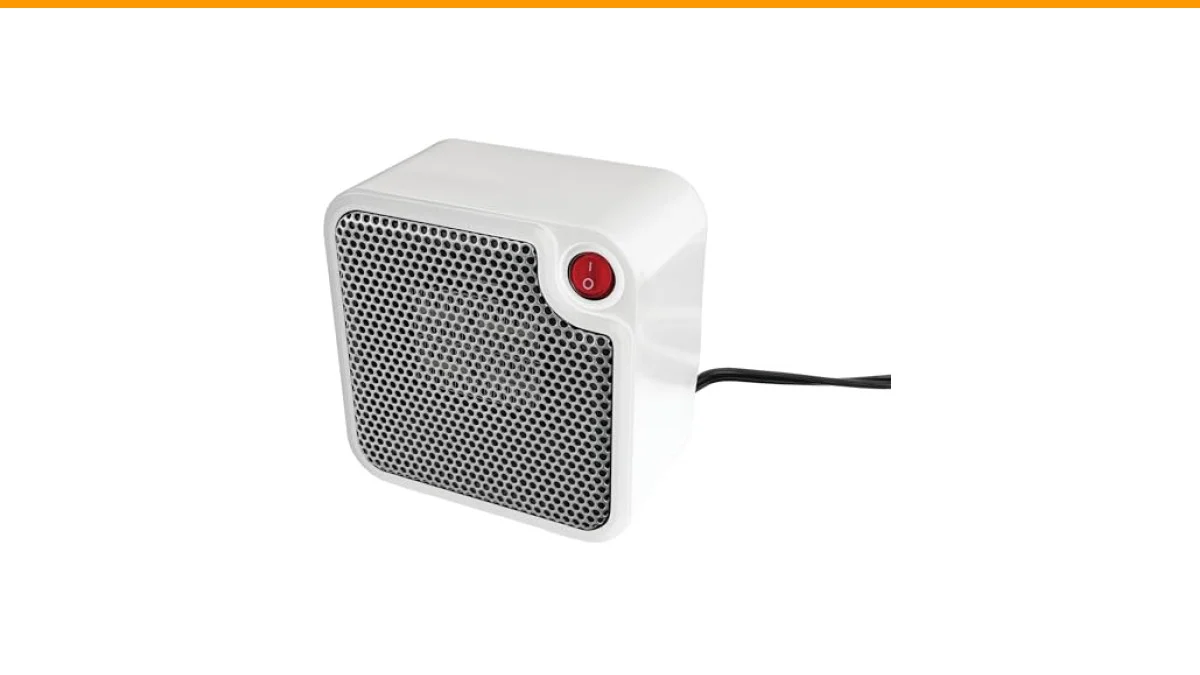
Performance Tool W5011 250W Personal Space Heater, White
- 250-Watt Personal Space Heater
For example, if you’re considering a compact option like the Performance Tool W5011 250W Personal Space Heater, knowing how much wattage you need is essential to ensure it meets your heating requirements.
Understanding Heater Wattage
Wattage measures how much energy a heater uses to produce heat. Generally, the higher the wattage, the more heat it can generate. A basic rule of thumb is that you need about 10 watts per square foot of space you want to heat. However, factors like insulation and ceiling height can influence this estimate.
For example, a 100-square-foot room would typically require around 1,000 watts. If the room has poor insulation or high ceilings, you might need an additional 20% to 30% more wattage to maintain a comfortable temperature.
Using a Space Heater Wattage Calculator
To accurately determine the wattage needed for your space, follow these steps:
- Measure the room size: Calculate the square footage by multiplying the length and width of the room.
- Assess insulation quality: Consider whether your room has good insulation, average insulation, or poor insulation. This will affect your wattage needs.
- Account for ceiling height: If your ceiling height exceeds 8 feet, adjust your wattage calculation accordingly (add 10% for every additional foot).
- Use the calculator: Input your measurements and insulation quality into a space heater wattage calculator to get your total wattage requirement.
Many online calculators are available, making this process straightforward. However, a rough estimate using the formula mentioned earlier can also suffice.
Comparing Heater Options
When selecting a heater, it’s important to compare different options based on their wattage, features, and size. Below is a comparison of a few common types of space heaters:
| Heater Type | Wattage Range | Best For | Portability |
|---|---|---|---|
| Ceramic Heater | 750W – 1,500W | Medium to large rooms | High |
| Oil-Filled Radiator | 1,500W | Long-lasting warmth | Medium |
| Infrared Heater | 300W – 1,500W | Quick heating | High |
| Personal Space Heater | 250W – 500W | Small spaces or personal use | Very High |
Each type serves different heating needs. For instance, the Performance Tool W5011, with its 250 watts, is tailored for personal use, making it suitable for smaller spaces or desk areas.
Common Questions About Space Heater Wattage Calculators
1. How do I calculate the wattage needed for my room?
Measure the room’s square footage and multiply by 10. Adjust based on insulation quality and ceiling height.
2. Are higher wattage heaters always better?
Not necessarily. A higher wattage heater can heat a larger space more quickly, but efficiency and safety should also be considered.
3. Can I use multiple space heaters in one room?
Yes, but ensure the combined wattage does not exceed the circuit capacity. Overloading can cause electrical hazards.
4. How do I know if my heater is energy-efficient?
Look for the Energy Star label or check the heater’s specifications for energy consumption information.
5. What safety features should I look for in a space heater?
Consider features like tip-over protection, overheat shut-off, and a cool-touch exterior to minimize hazards.
Final Thoughts
- Measure your room size accurately for the best results.
- Consider insulation quality when determining wattage needs.
- Adjust calculations for rooms with high ceilings.
- Use a reliable space heater wattage calculator for precise estimates.
- Compare different heater types to find the best fit for your situation.
- Regularly check safety features on your heater for peace of mind.
- Be aware of your electrical system’s limits to prevent overloads.



