Understanding the Sauna and Banya Cultures
Imagine stepping into a space where the air is filled with warmth and the scent of wood envelops you. You’re greeted by the soft sound of water splashing over hot stones, producing a gentle steam. This is the essence of both the traditional Finnish sauna and the Russian banya, but each offers a distinct cultural experience. As you journey through this article, you’ll discover the key differences between these two cherished practices, from their historical roots to the rituals that define them.
In this exploration, expect to learn about the unique benefits each offers and the specific customs that accompany these experiences. You’ll also find practical information that can enhance your own sauna or banya experience, including a recommended product that can facilitate your at-home sauna sessions.

iTHERAU
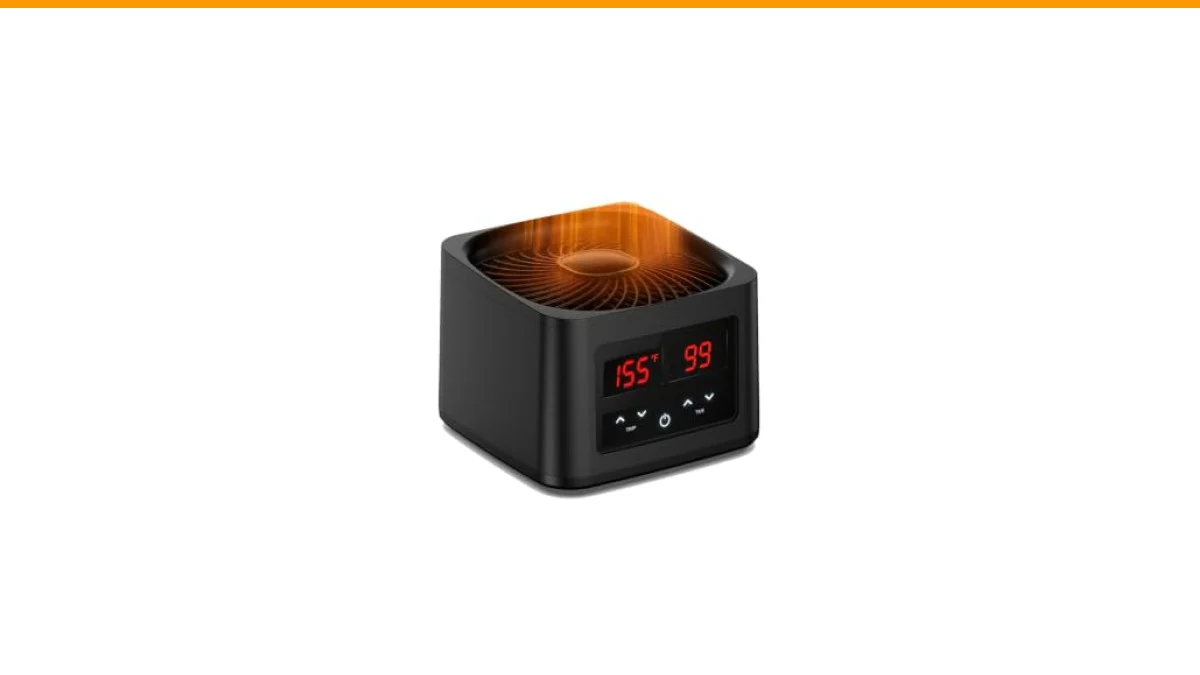
Dry Sauna Heater 110V - 120V, Portable Hot Air Heater for Sauna Tent | 1500W Electric Sauna Heater, Dry Steam-Free Sauna Heater with Adjustable Temperature & Timer, Small Heater for Sauna
- Adjustable Temperature & Timer Control: Clear LED display for temperature and time, Customize your sauna session with adjustable &…
- Portable Dry Hot Air Heater for Sauna Tent: Compact size of 8.7 x 8.7 x 7.1 in, easy to carry and use. It comes with a clip to sec…
- Fast Heating: With 1500W high power, it produces dry hot air in just minutes for your dry sauna enjoyment.
For those interested in creating a sauna-like experience at home, consider the Dry Sauna Heater 110V – 120V by iTHERAU. This portable hot air heater allows you to enjoy the dry heat of a sauna tent with adjustable settings, making it a versatile addition to your wellness routine.
Historical Context and Cultural Significance
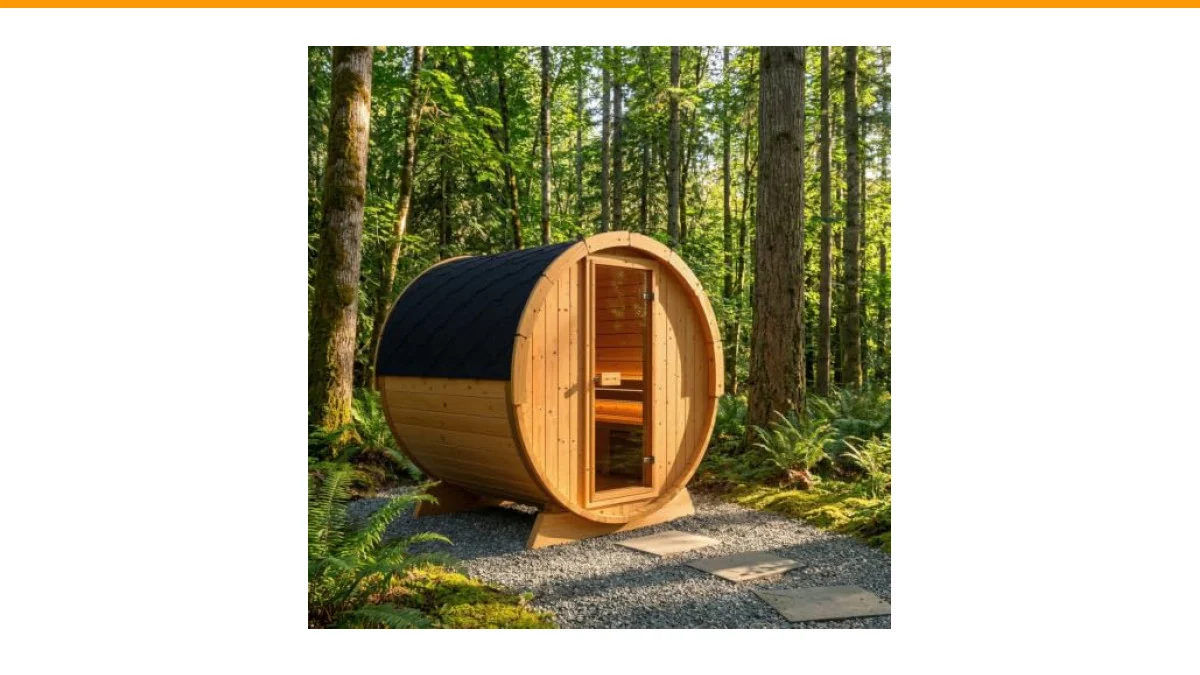
The Finnish sauna dates back thousands of years, deeply embedded in the culture of Finland. Originally, it served as a place for bathing and relaxation, as well as a venue for important life events such as births and deaths. The traditional sauna is often a wooden structure, heated by a stove that warms stones. Water is poured over these stones to create steam, enhancing the experience.
On the other hand, the Russian banya has its roots in Slavic traditions, with a similar age and cultural relevance. The banya often features a more complex heating system, using a wood-burning stove that heats both the air and the stones. This results in a very humid environment, which is considered beneficial for the skin and respiratory system.
Differences in Rituals and Practices
Finnish saunas and Russian banyas also differ significantly in how they are used. In Finland, the sauna experience is often solitary or shared among family and close friends. It’s common to enjoy a cold drink and relax quietly, sometimes followed by a dip in a nearby lake or rolling in the snow in winter.
Conversely, the Russian banya is typically a more social affair. Groups gather to enjoy the heat together, often participating in rituals like whipping each other with birch branches, known as “venik”. This practice is believed to improve circulation and enhance the detoxifying effects of the steam. The banya also incorporates a washing phase, where participants scrub themselves with soap and exfoliating mitts, making it a more thorough cleansing experience.
Health Benefits and Experiences
Both the Finnish sauna and the Russian banya offer numerous health benefits, although they may vary slightly due to their environmental conditions. Finnish saunas typically have lower humidity levels, which can lead to a more intense dry heat. This environment is excellent for muscle relaxation and promoting cardiovascular health.
In contrast, the high humidity of the Russian banya can help with respiratory issues, as the steam opens airways and helps clear sinuses. The added ritual of washing in the banya promotes skin health and hygiene.
Comparison Table of Finnish Sauna and Russian Banya
| Aspect | Finnish Sauna | Russian Banya |
|---|---|---|
| Temperature | Typically 150°F-195°F (65°C-90°C) | Typically 160°F-220°F (70°C-104°C) |
| Humidity | Low humidity (10-20%) | High humidity (50-70%) |
| Social Aspect | Usually private or family-based | Often a social gathering |
| Common Practices | Relaxation, cold plunge | Venik ritual, washing |
| Health Benefits | Muscle relaxation, cardiovascular health | Respiratory relief, skin cleansing |
What is the main difference between a sauna and a banya?
The primary difference lies in humidity levels and cultural practices. Finnish saunas have a dry heat experience with lower humidity, while Russian banyas are characterized by high humidity and involve more social rituals.
How often should you use a sauna or banya?
Usage can vary based on personal preference, but many people visit the sauna or banya once a week for relaxation and health benefits. Some may choose to go more frequently, especially after workouts.
Can you use essential oils in a sauna or banya?
Yes, essential oils can enhance the experience. In Finnish saunas, people may pour diluted oils over hot stones for added aroma. In banyas, oils can be used in the washing phase or added to water for steaming.
Is a sauna or banya better for health?
Both offer unique health benefits. Finnish saunas are excellent for muscle relaxation and cardiovascular health, while banyas excel in respiratory benefits and skin cleansing. Choosing one depends on your individual health goals.
Can I have a sauna at home?
Yes, home saunas are becoming increasingly popular. Portable options like the Dry Sauna Heater 110V – 120V by iTHERAU allow you to create a sauna experience in smaller spaces.
Closing Thoughts
- Understand the cultural significance of both sauna and banya experiences.
- Consider the differences in rituals when participating in a sauna or banya.
- Explore the health benefits specific to each environment.
- Try creating a home sauna experience with products like the iTHERAU heater.
- Be aware of the social aspects of the banya versus the solitary nature of the sauna.
- Incorporate essential oils to enhance the experience in either setting.
- Experiment with different frequencies of use to determine what works best for you.