Introduction
Ever wondered how much power your appliances consume in terms of heating? Whether you’re adjusting your home heating system or selecting a new air conditioner, understanding the watts to BTU conversion can greatly enhance your decision-making. Watts measure electrical power, while BTUs (British Thermal Units) express the energy needed to heat one pound of water by one degree Fahrenheit. This conversion becomes crucial when you’re navigating the specifications of heating and cooling systems.
This article will provide you with a clear understanding of how to convert watts to BTUs, practical examples, and additional resources to help you make informed decisions about your heating and cooling needs.

GRESTU
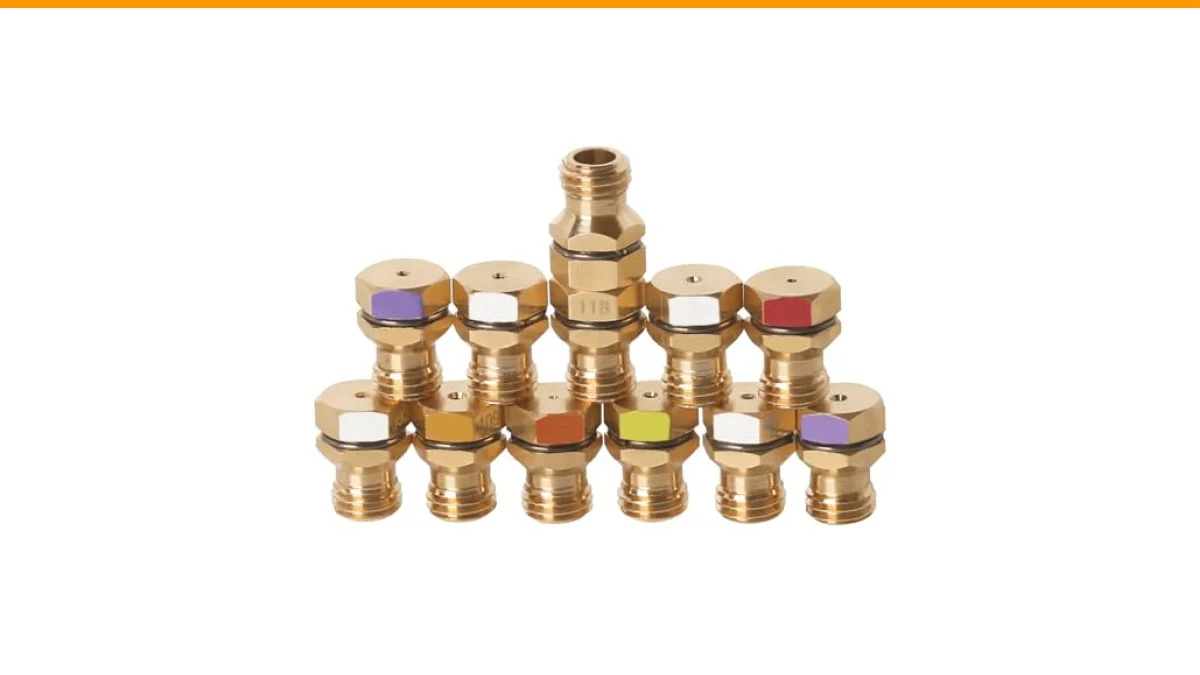
GRLP4 LP Conversion Kit | Propane Orifice | Gas To Propane Conversion Kit | Brass | With Instruction |Compatible With Frigidaire Kenmore Electrolux Range/Cooktop/Stove
- 【IMPORTANT NOTE】Please check your range/stove/oven model number carefully before ordering, Confirm this LP Gas Conversion Kit fits…
- 【Compatibility】This LP Conversion Kit accessory is suitable for most Frigdaire type of Stove/Range/Cooktop, not just for Frigdaire…
- 【Natural gas to propane conversion kit】:Full kit set Included 12 x GRLP4 LP Gas Conversion orifices, 1 x Install instruction, 1 x…
If you’re considering options for efficient heating, the GRLP4 LP Conversion Kit is a helpful accessory. This kit allows for the conversion of gas ranges from natural gas to propane, ensuring compatibility and efficiency for many Frigidaire and Electrolux models.
Understanding the Conversion Factor
The first step in converting watts to BTUs is knowing the conversion factor. One watt is equivalent to approximately 3.412 BTUs per hour. This means that if you have an appliance that consumes 100 watts, it generates around 341.2 BTUs per hour.
Here’s the formula for converting watts to BTUs:
BTUs per hour = Watts x 3.412
For example, if your electric heater uses 500 watts, the conversion would be:
500 watts x 3.412 = 1,706 BTUs per hour
This conversion factor simplifies the process significantly, allowing you to compare the heating capacities of different appliances.
Practical Applications
Knowing how to convert watts to BTUs is particularly useful when selecting heating or cooling appliances. HVAC systems often list their efficiency ratings in BTUs, while many electrical devices indicate power consumption in watts. Here’s how to apply this knowledge:
- Heating Systems: When choosing a heater, compare the BTU output with your room size. Generally, you need about 20 BTUs per square foot for adequate heating.
- Air Conditioners: Similar to heating, air conditioners require a certain BTU rating to cool effectively. Use the conversion to ensure your unit can handle the space size.
- Energy Efficiency: Understanding this conversion helps you gauge the efficiency of electrical devices versus gas-powered systems.
As energy prices fluctuate, making informed choices based on accurate conversions can lead to significant savings.
Comparison Table: Watts to BTU Conversion
| Watts | BTUs per Hour |
|---|---|
| 100 | 341.2 |
| 250 | 853 |
| 500 | 1,706 |
| 1,000 | 3,412 |
| 1,500 | 5,118 |
Common Questions About Watts to BTU Conversion
1. How do I convert watts to BTUs manually?
To convert watts to BTUs, multiply the wattage by 3.412. For example, a 200-watt appliance generates 682.4 BTUs (200 x 3.412).
2. Why is it important to know the BTU rating of heating systems?
The BTU rating indicates how much heat a system can produce. Knowing this helps you select the right system for your space, ensuring comfort and energy efficiency.
3. Can I use this conversion for cooling as well?
Yes, the same conversion applies to cooling systems. BTUs measure how much cooling power an air conditioner can provide.
4. Is there a difference between BTUs and BTUs per hour?
BTUs measure energy, while BTUs per hour indicate the rate at which energy is used or produced. Always check for BTUs per hour when evaluating HVAC systems.
5. What factors affect the efficiency of heating and cooling systems?
Several factors influence efficiency, including insulation quality, room size, and the system’s BTU rating. Proper sizing is critical for optimal performance.
Final Thoughts
- Understand the basic formula for converting watts to BTUs.
- Consider appliance BTU ratings when making purchases.
- Use the conversion to compare energy efficiency across devices.
- Keep in mind room size when evaluating heating or cooling needs.
- Check the current price of conversion kits like the GRLP4 for practical applications.
- Stay informed about your energy consumption patterns.
- Utilize the comparison table for quick reference.



