Imagine a chilly evening where you want to unwind in the comfort of your home, only to find your living space feels more like a refrigerator. You know heating is essential, but how do you determine the right amount of power needed to effectively warm a 750 square foot area? Understanding the wattage required for heating can make a significant difference in your comfort and energy bills.
This guide will clarify how to calculate the watts needed to heat a 750 sq ft space. You’ll walk away with actionable insights and a basic understanding of heating essentials, allowing you to make informed decisions for your heating solutions.

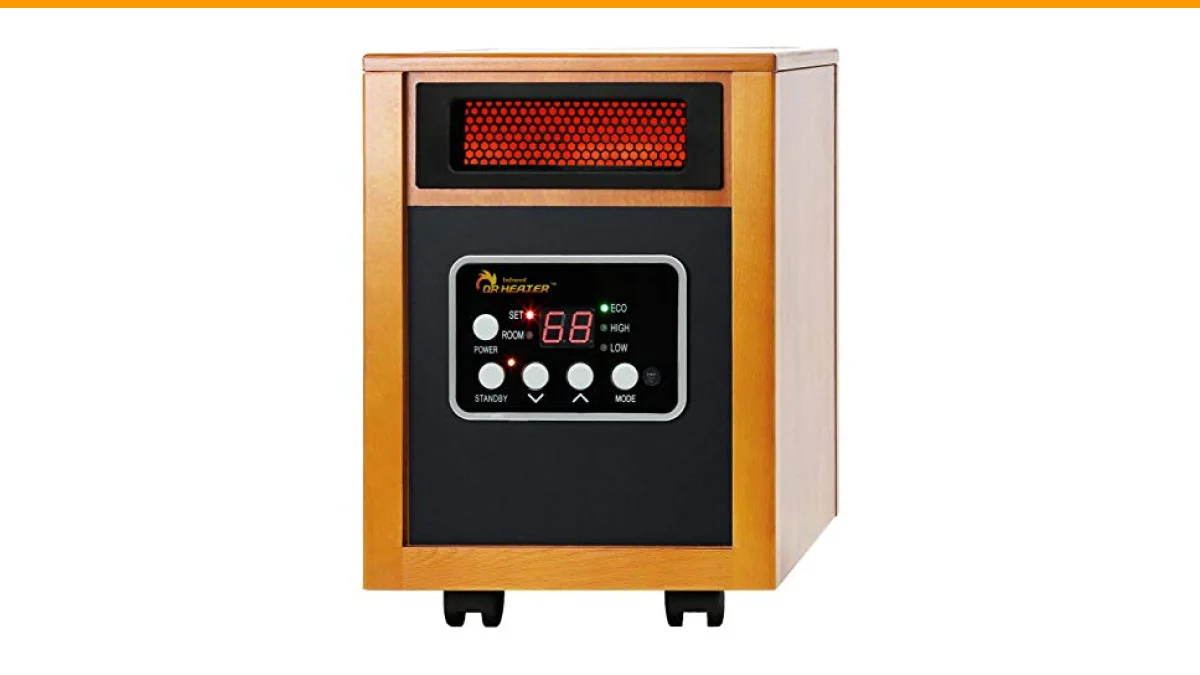
DR. INFRARED HEATER
Dr Infrared Heater DR-968 Portable Space Heater, 1500-Watt, Cherry
- Can heat up a large room with Auto Energy Saving Model With High and Low Feature. Tip-over protection and Overheat protection.Heat…
- Dual Heating Systems featuring infrared quartz tube + PTC with 12-Hour automatic shut-off timer. Amperage: 12.5 Amps
- IR Remote Control, High Pressure Low Noise Blower with Noise level 39 dB super quiet. Heating can cover for a large room.
For those looking for a portable option, consider the Dr Infrared Heater DR-968 Portable Space Heater. This 1500-watt heater is designed to efficiently warm large areas, utilizing dual heating systems to maximize output while being energy conscious.
Understanding Heating Requirements
To determine how many watts are needed to heat 750 sq ft, you can start with a simple formula. Generally, a rule of thumb is to allocate about 10 watts for every square foot of living space. This means:
- Calculate the area: 750 sq ft
- Multiply by 10 watts: 750 x 10 = 7500 watts
However, this is a rough estimate and can vary based on several factors such as insulation, ceiling height, and climate. For instance, in colder climates, you may need to increase wattage, while well-insulated spaces may require less.
Factors Influencing Heating Needs
Several variables affect the wattage needed to heat a space effectively:
- Insulation: The better your insulation, the less wattage is needed.
- Climate: Colder regions require more power, while warmer areas can get by with less.
- Ceiling Height: Standard calculations assume an 8-foot ceiling. Higher ceilings may need additional wattage.
- Windows: More windows or older, single-pane glass can increase heat loss.
Calculating Specific Heating Needs
To refine your estimate, consider the following steps:
- Determine the square footage of your space.
- Assess the factors above and adjust the basic wattage accordingly. For example, if you live in a cold climate, you might add 20% to your total wattage.
- For a 750 sq ft area in a colder climate, you might calculate: 750 x 10 watts x 1.2 (for climate) = 9000 watts.
Always think about the heater’s efficiency as well. The Dr Infrared Heater DR-968 is a good choice for those needing reliable heating, offering 1500 watts of effective heating power.
Comparison of Heating Options
| Heating Method | Typical Wattage | Heating Area (sq ft) | Pros | Cons |
|---|---|---|---|---|
| Electric Space Heaters | 1500 watts | Up to 750 | Portable, easy to use | Higher operating cost |
| Central Heating | Varies | Whole home | Consistent heat | Higher initial cost |
| Wood Stoves | Varies | Up to 1500 | Eco-friendly | Requires maintenance |
| Heat Pumps | Varies | Whole home | Energy efficient | Higher installation cost |
How do I know if my heater is sufficient for 750 sq ft?
Check the wattage of your heater. For a standard 750 sq ft space, you’ll ideally need around 7500 watts, but this could vary based on insulation and climate.
What happens if I use a heater with too low wattage?
A heater with insufficient wattage may struggle to maintain a comfortable temperature, leading to increased energy consumption as it works harder to heat the space.
Can I use multiple heaters in one room?
Yes, using multiple heaters can help distribute heat evenly. Just be cautious not to overload electrical circuits.
Is it more cost-effective to heat a small space or a large one?
Heating a small space generally costs less than heating a large area, especially if the small area is well-insulated. The initial cost of heating is often lower with smaller spaces.
How often should I maintain my heating system?
Regular maintenance is crucial. For electric heaters, check for dust build-up and ensure the filters are clean at least once a month. For central systems, consider professional maintenance annually.
Practical Tips for Heating Efficiency
- Seal windows and doors to prevent heat loss.
- Use programmable thermostats to optimize heating schedules.
- Consider using a space heater like the Dr Infrared Heater DR-968 for individual rooms.
- Insulate ducts and pipes if using central heating.
- Regularly clean and maintain your heating devices to ensure efficiency.



