Imagine finishing an intense workout or a long day at work, and your body feels heavy, sore, and fatigued. You want relief, but you’re not sure how to achieve it. Perhaps you’ve heard about the benefits of ice baths and hot showers, but do they really help? This is where contrast therapy comes into play. Contrast therapy combines hot and cold treatments to stimulate recovery and reduce pain, making it a popular choice among athletes and wellness enthusiasts alike.
In this article, you’ll discover what contrast therapy is, how it works, its benefits, and practical applications. Whether you’re an athlete seeking recovery or someone managing muscle soreness, understanding this therapy can provide you with effective tools for your health regimen.

1stplunge
1HP Ice Bath Chiller & Cold Plunge Tub Kit, Cold Plunge Chiller with External Pump & Filter, 216 Gal Oval Ice Bath Tub, XXL Cold Plunge Tub with Water Chiller for Cold Therapy Recovery
- 💧【Complete Cold Plunge Recovery Kit – Chiller & 216Gal Tub】All-in-one bundle includes a 1HP cold plunge chiller with external filt…
- 💧【1HP Rapid Cooling – Down to 37°F】Powerful 1 horse power cooling system drops water temperature to as low as 37°F (2.7°C) and mai…
- 💧【Oversized 216-Gallon Insulated Tub – Full-Body Comfort】Constructed with reinforced PVC, Oxford fabric, and thick EPE foam, the e…
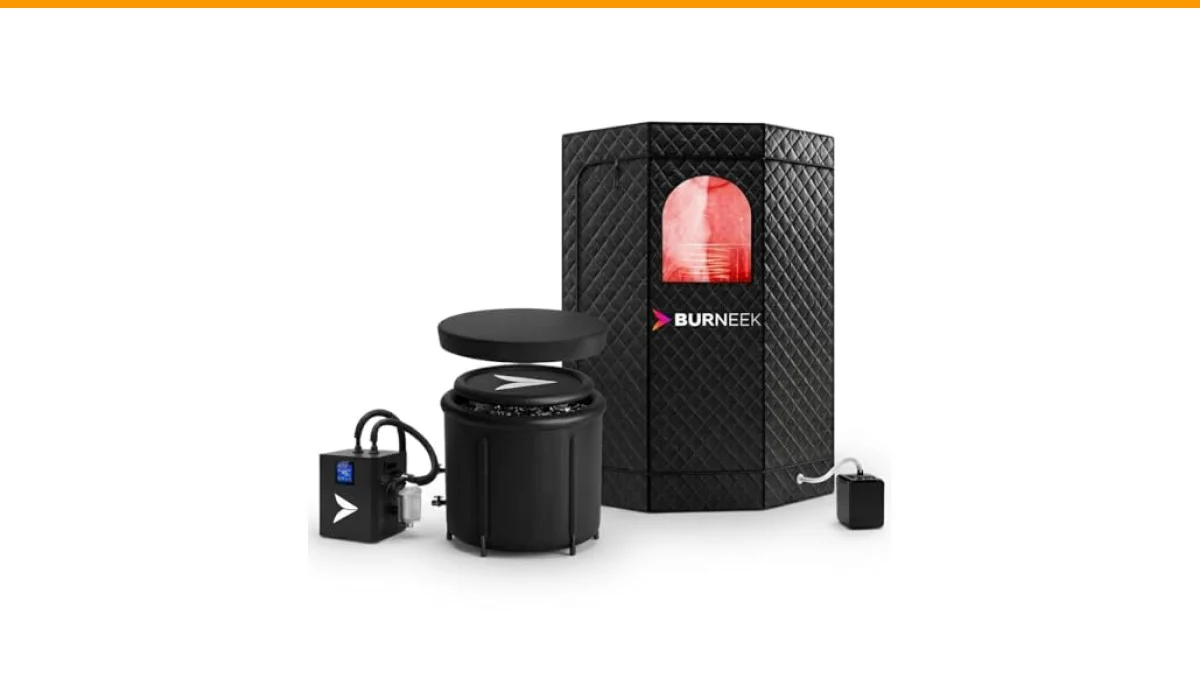
For those looking to implement contrast therapy effectively at home, the 1HP Ice Bath Chiller & Cold Plunge Tub Kit is a great option. This complete cold plunge recovery kit includes a powerful chiller and a spacious tub, allowing you to easily set the ideal temperature for your sessions.

 Joint Inflammation: Why You Need Contrast TherapyWatch on YouTube
Understanding Contrast Therapy
Contrast therapy involves alternating between hot and cold treatments. The basic idea is to expose the body to extreme temperatures, which can promote blood flow and aid in recovery. This method is often used by athletes after intense workouts, but it can be beneficial for anyone experiencing muscle soreness or fatigue.
During a contrast therapy session, you might start with a cold treatment (like an ice bath) for a specific duration, followed by a hot treatment (such as a warm shower or hot tub) for a shorter period. This cycle is typically repeated several times. The alternating temperatures can stimulate the circulatory system, which may lead to several health benefits.
How Does Contrast Therapy Work?
The science behind contrast therapy lies in the body’s physiological response to temperature changes. When exposed to cold, blood vessels constrict (a process known as vasoconstriction), reducing blood flow to the area. This can help decrease inflammation and numb pain. Conversely, heat causes blood vessels to dilate (vasodilation), which increases blood flow and promotes healing.
Here’s a simplified breakdown of the process:
- Cold Treatment: This phase reduces swelling and inflammation. It can also numb nerve endings, providing immediate pain relief.
- Hot Treatment: The heat phase encourages blood flow and helps relax tight muscles. It can also alleviate stiffness.
- Alternating Effects: The back-and-forth between hot and cold can enhance the body’s natural healing processes, potentially improving recovery time.
Benefits of Contrast Therapy
Contrast therapy offers several potential benefits that can enhance physical and mental well-being:
- Improved Recovery: Athletes often report faster recovery times when using contrast therapy after intense workouts.
- Pain Relief: The therapy can provide immediate relief from muscle soreness and joint pain.
- Reduced Inflammation: Alternating temperatures have been shown to decrease inflammation in various conditions.
- Enhanced Circulation: Increased blood flow can accelerate the healing process for injuries.
- Stress Relief: The soothing effects of hot treatments can help reduce stress and promote relaxation.
Common Misconceptions About Contrast Therapy
Contrast Therapy Is Just a Trend
Many people view contrast therapy as a passing fad, but it has historical roots. Athletes and healers have used temperature therapies for centuries. The science backing its efficacy continues to grow, reflecting its value in recovery.
Hot Is Always Better Than Cold
Some individuals believe that heat alone can solve muscle soreness. While heat can be beneficial, it can also worsen inflammation in some cases. Cold treatments are critical for reducing early-stage inflammation and pain. Balance is key.
How to Implement Contrast Therapy
Implementing contrast therapy at home can be straightforward. Here’s a step-by-step guide:
- Start with Cold: Fill the ice bath tub with cold water and ice. Aim for a temperature between 50°F and 60°F (10°C to 15°C) for the first session.
- Duration: Stay in the cold bath for about 3-5 minutes. Listen to your body and adjust as necessary.
- Warm Up: Transition to a warm shower or hot tub for 3-10 minutes. The warmth should feel comfortable, not scorching.
- Repeat: Alternate between hot and cold treatments for 20-30 minutes, ending with cold. This helps seal off the benefits gained from heat.
Incorporating this practice into your routine a few times a week can lead to significant improvements in recovery and pain management.
Comparing Recovery Methods
| Method | Effectiveness | Ease of Use | Cost |
|---|---|---|---|
| Contrast Therapy | High | Moderate | Moderate |
| Cold Therapy | Moderate | High | Low |
| Heat Therapy | Moderate | High | Low |
| Massage Therapy | High | Low | High |
FAQs About Contrast Therapy
1. How often should I do contrast therapy?
Most people benefit from 2-3 sessions per week. However, listen to your body and adjust based on your recovery needs.
2. Can anyone use contrast therapy?
While most people can safely use this method, those with certain medical conditions, such as cardiovascular issues, should consult a doctor first.
3. What should I expect during a session?
Expect to feel relief from muscle soreness and increased relaxation. It’s also normal to feel invigorated after the session.
4. Is contrast therapy better than just ice baths?
Contrast therapy offers the benefits of both cold and heat, which can improve results over using ice baths alone, especially for recovery.
5. How long does it take to see benefits?
Many people experience immediate relief after their first session, but cumulative benefits improve with regular use over weeks.
Closing Thoughts
- Contrast therapy effectively combines hot and cold treatments for recovery.
- It helps reduce inflammation and alleviate soreness.
- Regular sessions can enhance your overall wellness routine.
- Consider using a dedicated system like the 1HP Ice Bath Chiller for convenience.
- Always listen to your body and adjust the treatment according to your needs.
- Consult with a healthcare provider if you have any underlying health concerns.
- Enjoy the benefits of improved circulation and muscle recovery through this method.