 TOP—5. Best Electric Heaters (Convection) 2026Watch on YouTube
What is a Convection Electric Heater?
When winter rolls in, many people find themselves searching for effective ways to keep their homes warm. One popular solution is the convection electric heater. This type of heater utilizes convection currents to distribute warmth evenly throughout a space. Unlike other heating methods that may rely on radiation or direct heat, convection heaters warm up the entire room by circulating heated air.
In this article, you will learn about the mechanics of convection heating, the various types of convection electric heaters, their advantages and disadvantages, and how they stack up against other heating methods. By the end, you’ll have a clearer understanding of how to choose the right heater for your needs.

Ballu
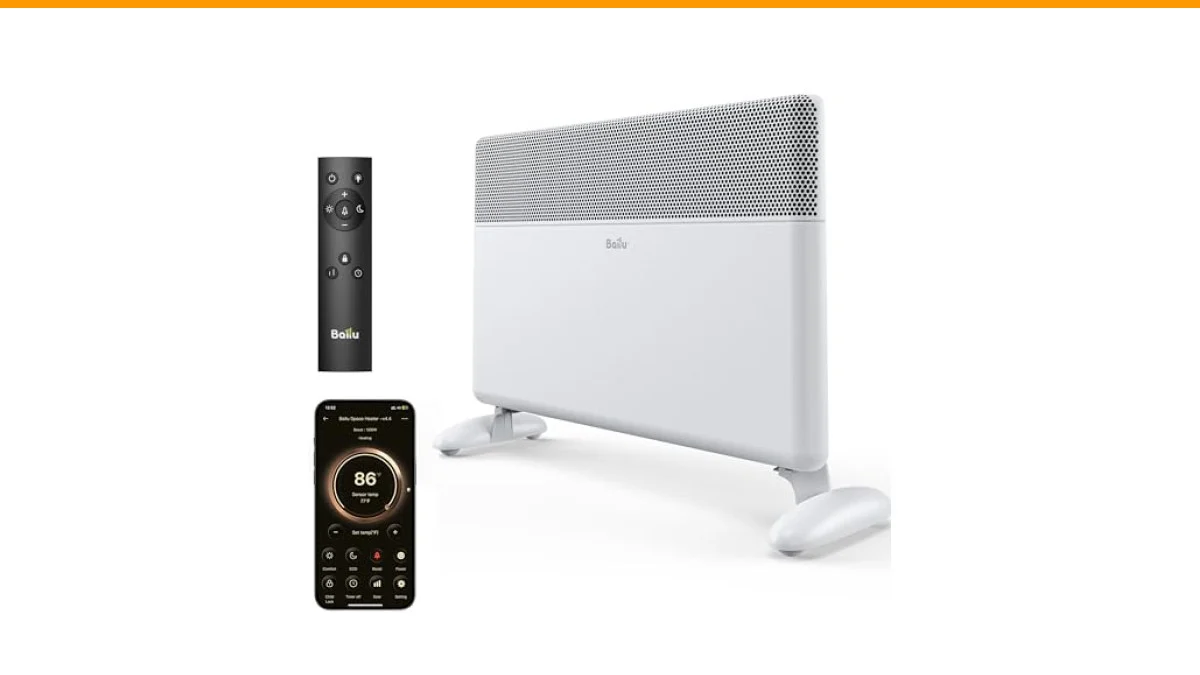
Ballu Convection Smart Space Heater for Large Room With WiFi APP Control | 1500W Electric Panel Heater indoor use with Programmable Thermostat,Remote,Wall-Mounted,Quiet,Works with Alexa,White
- RELIABLE WARMTH, BUILT TO LAST — Keep your home comfortably warm through winter with the Ballu Space Heater. Its patented Hedgehog…
- FAST, EVEN HEAT FOR THE ROOM YOU USE — Feel warmth in as little as 30 seconds as natural convection circulates heated air quietly…
- COMFORT THAT ADAPTS TO YOUR ROUTINE — Control your room heater from the sofa, bedside, or anywhere at home using the remote, digit…
The Ballu Convection Smart Space Heater is a prime example of modern convection electric heaters. With features like WiFi app control and a programmable thermostat, it provides efficient heating for various room sizes, making it a practical choice for today’s homes.
Short Answer
A convection electric heater is a type of heater that uses the principle of convection to warm a space. It heats the air within the room, which then circulates naturally, providing even and consistent warmth. These heaters are efficient, often quiet, and can be controlled remotely for convenience.
How Does Convection Heating Work?
Understanding how convection heating operates can help you appreciate its efficiency. Essentially, convection heating relies on the natural movement of air. When air is heated, it becomes lighter and rises. This creates a cycle: as warm air rises, cooler air moves in to take its place, which is then heated in turn.
There are two primary types of convection: natural and forced. In natural convection, the heater relies on the natural rise of warm air without any mechanical assistance. Forced convection uses fans to circulate air, which can result in quicker heating times. This is particularly useful in larger spaces or during extreme cold conditions.
Types of Convection Electric Heaters
Convection electric heaters come in a few different styles, each catering to specific needs and preferences:
- Panel Heaters: These are usually wall-mounted and provide a sleek appearance. They distribute heat evenly and are great for smaller spaces.
- Convector Heaters: These portable or wall-mounted units use natural convection to warm the air. They are often used as supplemental heating.
- Radiant Convection Heaters: These heaters provide warmth through infrared radiation combined with convection. They can be effective in larger areas.
- Smart Heaters: These modern devices, like the Ballu heater, come with WiFi connectivity, allowing for remote control via smartphone apps.
Benefits and Drawbacks of Convection Electric Heaters
Like any heating solution, convection electric heaters have their pros and cons. Here’s a breakdown:
Benefits
- Even Heating: Convection heaters provide consistent warmth throughout the room.
- Energy Efficiency: Many models are designed to use less power while maintaining comfort levels, reducing energy bills.
- Quiet Operation: Most convection heaters operate quietly, making them suitable for bedrooms or offices.
- Multiple Control Options: Many modern units offer remote controls or app connectivity for convenience.
Drawbacks
- Slow Start-Up: Natural convection heaters can take time to warm a room compared to other types.
- Limited Coverage: Depending on the size and power of the unit, they may not effectively heat larger spaces.
- Temperature Regulation: Some models may not maintain steady temperatures without manual adjustments.
Comparing Convection Electric Heaters to Other Heating Methods
When considering heating options, it’s essential to compare convection electric heaters with other methods like forced air systems, radiant heaters, and even traditional fireplaces.
| Heating Method | Heat Distribution | Efficiency | Noise Level |
|---|---|---|---|
| Convection Electric Heater | Even, room-wide | High | Quiet |
| Forced Air Heater | Quick, targeted | Moderate to High | Can be noisy |
| Radiant Heater | Localized | High | Quiet |
| Fireplace | Localized | Varies | Variable |
Convection electric heaters tend to shine in scenarios where consistent, quiet heating is preferred, like in bedrooms or home offices. In contrast, forced air systems might be more efficient in quickly heating large, open spaces.
Energy Efficiency and Operating Costs
Energy efficiency is a significant concern for homeowners. Convection electric heaters are known for their ability to heat spaces without excessive energy consumption. Many modern models, such as the Ballu heater, incorporate technology that allows them to adapt to room temperatures, optimizing energy usage. This means you could see savings of up to 37% on energy costs compared to traditional heating methods.
Operating costs will vary based on your local electricity rates and the wattage of the heater. For instance, a typical 1500W convection heater could cost approximately $0.15 per hour to operate when running at full power, depending on your local rates. It’s wise to monitor usage and adjust settings according to your heating needs.
Safety Features in Convection Electric Heaters
Safety should always be a priority when selecting any heating device. Most convection electric heaters come equipped with several safety features:
- Tip-Over Protection: This feature turns the heater off if it tips over, preventing potential fire hazards.
- Overheat Protection: Automatically shuts off the heater if it gets too hot, ensuring safety during prolonged use.
- Flame-Retardant Materials: Many modern heaters are made with materials designed to resist fire hazards.
- Child Lock Features: Some models include options to prevent accidental adjustments, making them safer in homes with children.
Maintenance and Care Tips for Longevity
Keeping your convection electric heater in good condition is essential for optimal performance. Here are some maintenance tips:
- Regular Cleaning: Dust and debris can accumulate. Wipe down the exterior regularly and check for blockages in vents.
- Check the Power Cord: Inspect the cord for any signs of wear or damage to ensure safe operation.
- Seasonal Checks: Before the heating season, test the heater to ensure it operates correctly.
Real-World Applications and User Experiences
User testimonials often shed light on the practical applications of convection electric heaters. Many users report satisfaction with their heaters’ ability to maintain comfortable temperatures in various settings, from bedrooms to home offices. For instance, one user noted how the Ballu heater quickly warmed their 250 sq. ft. living room without the noise associated with traditional fan heaters.
Another user appreciated the convenience of app control, allowing them to adjust settings from across the room. However, some users mentioned that it took a while to adjust to the heater’s slower initial warm-up time compared to other heating types.
Making the Right Choice for Your Heating Needs
- Consider your room size and heating needs before selecting a heater.
- Look for features like smart controls if convenience is important.
- Evaluate energy efficiency ratings to determine potential savings.
- Prioritize safety features, especially in homes with children or pets.
- Read user testimonials to gauge real-world performance and satisfaction.

