Industrial Electric Heaters: The Complete GuideWatch on YouTube
What is a Fan Forced Electric Heater?
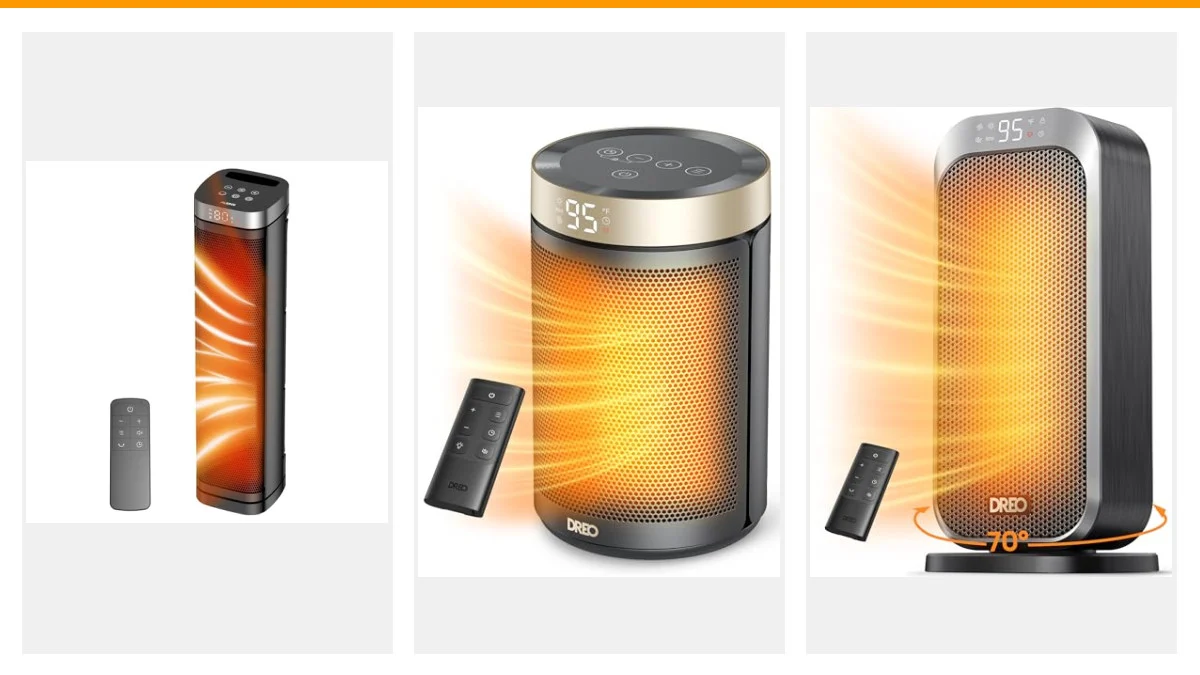
A fan forced electric heater is a type of heating appliance that uses a fan to circulate warm air throughout a space. These heaters are designed to provide quick and efficient heat, making them ideal for various environments, such as homes, offices, and workshops. Imagine coming in from a cold winter day, shivering and ready to warm up. A fan forced heater can rapidly elevate the room temperature, creating a cozy atmosphere in minutes.
This article will help you understand the fundamental workings of fan forced electric heaters, their types, energy efficiency, safety features, and how they stack up against other heating systems. You’ll walk away with a solid grasp of what makes these heaters a popular choice for many consumers.

Dura Heat
Dura Heat Electric Forced Air Heater, 5,120 BTU- EUH1500 | Workspace Heater, Steel Body, Thermostat, Heats up to 250 sq ft, Overheat Shut Off, Carry Handel, Garage &Greenhouse Heater
- Built-in thermostat.- Overheat shut-off
- Adjustable stand allows directional adjustments
- Heating Area: up to 250 sq ft
The Dura Heat Electric Forced Air Heater is a great example of a fan forced electric heater, featuring a built-in thermostat for precise temperature control, an adjustable stand for directional heating, and safety features like overheat shut-off. With a heating capacity of up to 250 square feet, it’s suitable for small to medium-sized spaces.
How Does a Fan Forced Electric Heater Work?
Fan forced electric heaters operate on a straightforward principle. They use electrical resistance to generate heat. Once the heater is powered on, electricity flows through a heating element, raising its temperature. A fan then blows air across this hot element, distributing warm air throughout the room.
This method of heating is efficient for several reasons:
- Quick Heat Distribution: Fans help circulate warm air more rapidly compared to traditional convection heaters.
- Targeted Heating: Many fan forced heaters come with adjustable stands or swivels, allowing you to direct heat where it’s needed most.
- Compact Design: Most models are portable, making them easy to move from room to room.
Types of Fan Forced Electric Heaters
Fan forced electric heaters come in several types, each tailored to specific needs and preferences:
- Portable Heaters: These are lightweight and can be easily moved from one room to another. Ideal for personal space heating.
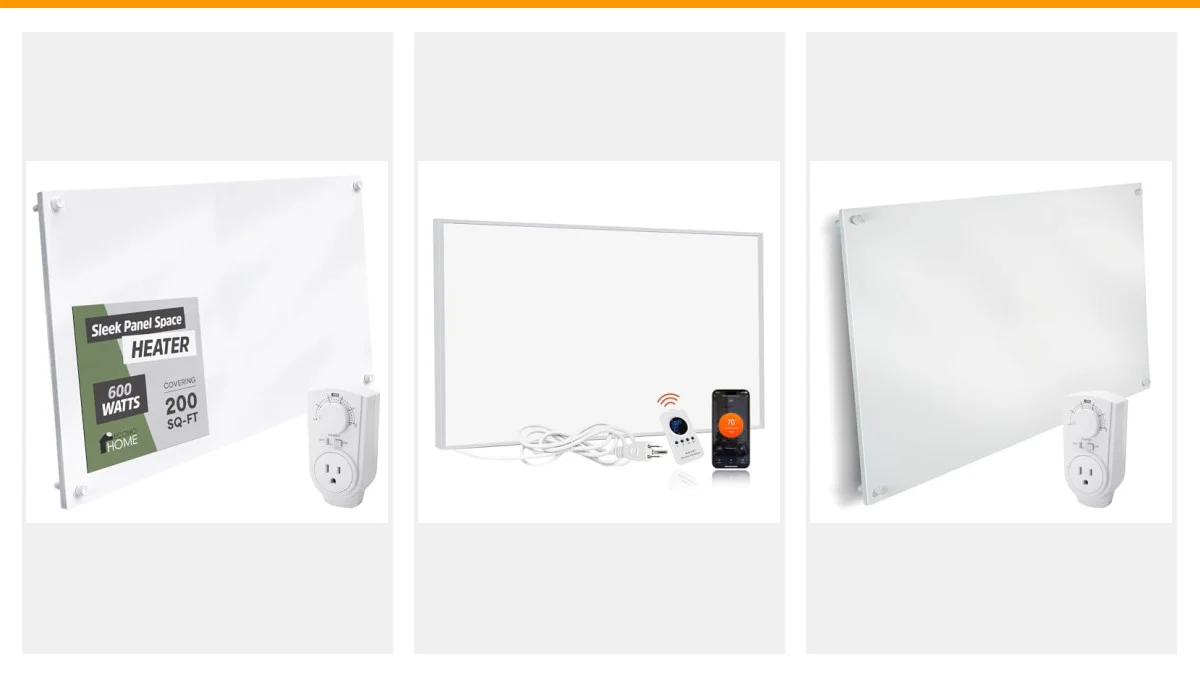
- Wall-Mounted Heaters: Suitable for permanent installation, these heaters save floor space and provide consistent warmth.
- Baseboard Heaters: Installed along the base of walls, these heaters are often used in conjunction with central heating systems.
Each type has its advantages. For instance, portable heaters are versatile, while wall-mounted heaters provide a more permanent solution.
Energy Efficiency and Cost-Effectiveness
Energy efficiency is a critical factor when selecting a fan forced electric heater. Most models are rated by their wattage and heat output, typically measured in BTUs (British Thermal Units). The Dura Heat Electric Forced Air Heater offers 5,120 BTUs, making it suitable for heating areas up to 250 square feet.
When assessing energy efficiency, consider the following:
- Wattage: Lower wattage can mean lower energy costs, but it may not heat a large space effectively.
- Thermostat Features: Models with built-in thermostats maintain a set temperature, reducing unnecessary energy consumption.
- Heating Area: Ensure the heater’s capacity matches the room size to avoid overusing energy.
In terms of cost-effectiveness, fan forced heaters are often cheaper to operate than electric baseboard heaters, especially in smaller spaces. However, running costs can vary based on local electricity rates.
Safety Features and Precautions
Safety should always be a priority when using electric heaters. Fan forced electric heaters often come with several built-in safety features:
- Overheat Shut-Off: This feature automatically turns the heater off if it overheats, preventing fire hazards.
- Tip-Over Protection: If the heater is knocked over, it will shut off to avoid accidents.
- Cool-Touch Housing: Many models are designed with materials that remain cool to the touch, reducing burn risks.
Always follow the manufacturer’s instructions for safe operation. Keep flammable materials away from the unit, and never leave it unattended while in use.
Installation Tips and Best Practices
Installing a fan forced electric heater is typically straightforward, especially for portable models. Here are some tips to ensure effective operation:
- Location: Place the heater in an area where air can circulate freely, away from obstructions.
- Power Source: Use a dedicated circuit to avoid overloading your home’s electrical system.
- Follow Guidelines: Always adhere to the manufacturer’s installation guidelines for best performance.
For wall-mounted or permanent installations, consider hiring a licensed electrician to ensure safety and compliance with local codes.
Maintenance and Troubleshooting
Regular maintenance can extend the life of your fan forced electric heater. Here are some maintenance tips:
- Cleaning: Dust and debris can accumulate, so regularly clean the unit and the surrounding area.
- Check Connections: Inspect power cords and connections for signs of wear or damage.
- Annual Service: Consider having the heater serviced by a professional annually.
Common issues may include the heater not turning on or not heating effectively. Check the power supply and thermostat settings first. If problems persist, consult the user manual or contact customer support.
Advantages and Disadvantages of Fan Forced Electric Heaters
Understanding the pros and cons can help you decide if a fan forced electric heater is right for you:
Advantages
- Quick and efficient heating.
- Portable options available for versatility.
- Built-in safety features enhance security.
Disadvantages
- Some models can be noisy due to fan operation.
- May not be the best choice for large spaces without multiple units.
- Electricity costs can add up, especially with frequent use.
Comparative Analysis with Other Heating Systems
Fan forced electric heaters can be compared to other heating systems such as central heating and infrared heaters:
| Heating System | Heat Distribution | Installation Cost | Operating Cost |
|---|---|---|---|
| Fan Forced Electric Heater | Quick and direct | Low | Moderate |
| Central Heating | Even throughout the home | High | Higher |
| Infrared Heater | Direct to objects | Moderate | Lower |
Fan forced heaters excel in small spaces and for quick applications. Central heating systems, while more expensive to install, provide consistent heat throughout a home. Infrared heaters can be energy-efficient but may not heat an entire room effectively.
User Testimonials and Real-World Performance
User experiences can offer valuable insights into the performance of fan forced electric heaters. Many users appreciate the rapid warmth provided by these heaters, especially in colder months. A common theme among testimonials is their effectiveness in small to medium spaces.
However, some users note that the noise level can be distracting, particularly in quiet environments. Choosing a model with quieter fan operation can help mitigate this concern.
Environmental Impact and Sustainability
When considering a fan forced electric heater, it’s essential to think about its environmental impact. Electric heaters rely on power, which may be generated from fossil fuels, contributing to greenhouse gas emissions. However, using energy from renewable sources can reduce this impact.
Additionally, many modern electric heaters are designed to be more energy-efficient, which can lessen their carbon footprint. Always look for models with good energy ratings.
FAQs
1. Are fan forced electric heaters safe to use?
Yes, fan forced electric heaters are generally safe when used according to the manufacturer’s instructions. Look for safety features like overheat shut-off and tip-over protection.
2. How do I choose the right size fan forced heater for my room?
Calculate the room size in square feet and check the heater’s BTU rating. A heater should provide around 10 watts per square foot for efficient heating.
3. Can I leave a fan forced electric heater on overnight?
It’s not recommended to leave heaters unattended. Always turn them off before going to sleep or when leaving the room.
4. How do I reduce the noise from a fan forced electric heater?
Consider models designed for quiet operation. Regular maintenance can also help reduce noise caused by dust accumulation.
5. What maintenance is required for fan forced electric heaters?
Regular cleaning and inspection of power cords are essential. Dust buildup can decrease efficiency, so keep the heater clean and in good condition.
Actionable Insights
- Evaluate your heating needs and room size before purchasing.
- Consider models with built-in thermostats for better energy management.
- Prioritize safety features to ensure safe operation.
- Regular maintenance can prolong the heater’s lifespan.
- Compare different heating systems to find the best fit for your home.
- Seek user reviews to gauge real-world performance and satisfaction.
- Stay informed about energy sources to minimize environmental impact.