 Radiant Heating Ceiling PanelsWatch on YouTube
What Are Radiant Ceiling Panel Heaters?
Radiant ceiling panel heaters are specialized heating devices designed to radiate warmth from the ceiling down into a room. Unlike traditional heating systems that warm the air, these panels radiate infrared heat directly to people and objects within their vicinity. This method results in a more efficient and comfortable heating experience, especially in spaces with high ceilings or large windows where heat loss is significant.
These heaters can be made from various materials, including ceramic and metal, and come in different designs to blend seamlessly with interior decor. The concept of radiant heating is not new; it has been used for centuries in various forms. However, modern advancements have made these systems more efficient and accessible to homeowners.

WarmlyYours
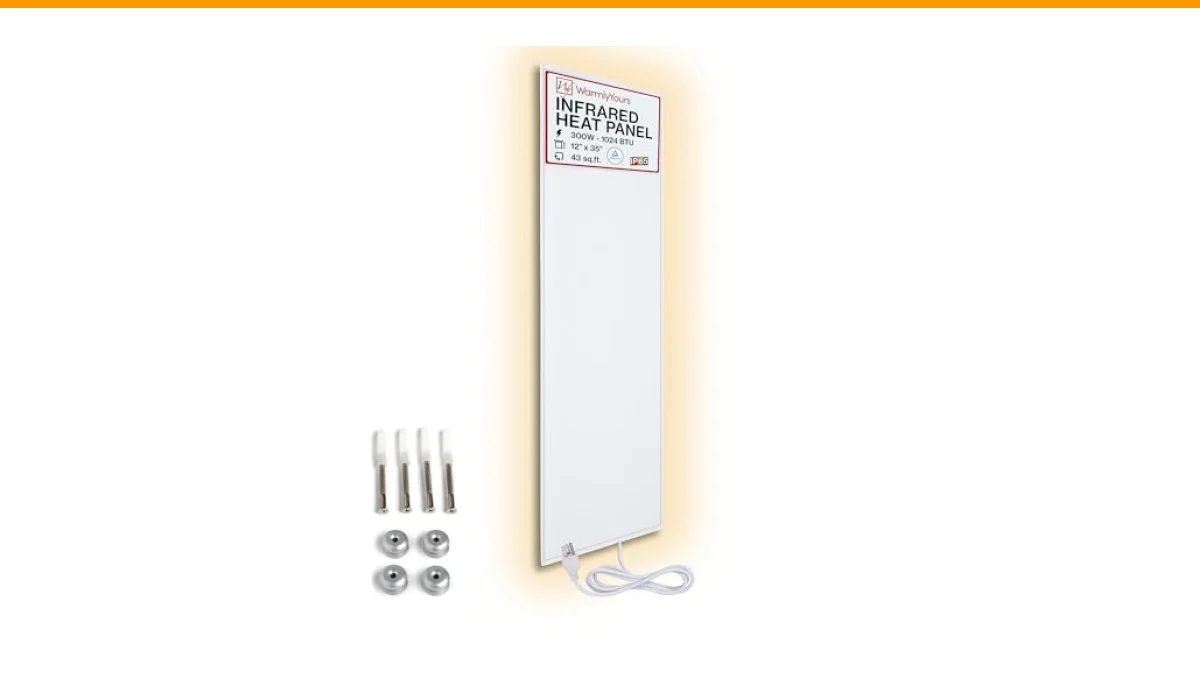
WarmlyYours Ember Flex Infrared Heating Panel 300W, White, 35 x 12 in | Wall-mounted far-infrared radiant heating panel, silent energy-saving electric heat for bedrooms and offices
- Energy-Efficient Infrared Heating – This wall mount electric heater for indoor use emits infrared technology to warm people and ob…
- Flexible Installation for Small Spaces – Our infrared heaters for indoor use can be wall-mounted, ceiling-mounted, or freestanding…
- Whisper-Quiet & Allergy-Friendly – Unlike noisy electric space heaters for indoor use, this infrared wall mounted heater has no mo…
One example of a radiant ceiling panel heater is the WarmlyYours Ember Flex Infrared Heating Panel. This 300W panel provides effective heating for indoor spaces, utilizing infrared technology to deliver warmth efficiently while maintaining a sleek, modern design.
How Do Radiant Ceiling Panel Heaters Work?
These heaters operate using infrared technology, which works by emitting heat waves that travel through the air to warm objects and people directly. This is in contrast to convection heating, where the air itself is heated and then warms the objects in the room. Radiant heating is more efficient because it reduces the energy wasted in heating the air, which can quickly escape through drafts or poorly insulated areas.
When installed, the panels are typically mounted on the ceiling, where they can cover larger areas without taking up valuable floor space. The heat generated by these panels radiates downwards, creating a comfortable thermal environment. Many radiant ceiling panel heaters also feature adjustable settings, allowing users to control the temperature according to their preferences.
Benefits of Radiant Ceiling Panel Heaters
Radiant ceiling panel heaters offer several advantages:
- Energy Efficiency: These heaters can cut heating costs by up to 50% compared to traditional systems, thanks to their direct heating method.
- Space-Saving Design: Their ceiling-mounted installation does not occupy floor space, making them ideal for smaller rooms.
- Quiet Operation: The absence of moving parts results in silent operation, making them suitable for bedrooms and quiet spaces.
- Improved Air Quality: Radiant heating does not circulate dust or allergens, making it a preferable choice for allergy sufferers.
- Quick Response Time: Radiant panels heat up quickly, providing immediate warmth when activated.
Drawbacks of Radiant Ceiling Panel Heaters
Despite their benefits, there are some drawbacks to consider:
- Initial Cost: The upfront cost of purchasing and installing radiant ceiling panels can be higher than conventional heating systems.
- Installation Requirements: Proper installation can be complex, requiring professional assistance, particularly for hardwired models.
- Limited Heating Coverage: Depending on the panel’s size and wattage, its heating coverage may be limited, making it less effective for larger spaces.
- Surface Temperature: The panels can become quite hot to the touch, which might be a concern in homes with small children or pets.
Comparing Radiant Ceiling Heating to Other Heating Systems
When evaluating heating options, radiant ceiling panel heaters can be compared to other systems like heat pumps and conventional electric heaters. Here’s a brief overview:
| Heating System | Energy Efficiency | Installation Cost | Comfort Level | Noise Level |
|---|---|---|---|---|
| Radiant Ceiling Panels | High (50% savings) | Moderate to High | Very Comfortable | Silent |
| Heat Pumps | Moderate (30-40% savings) | High | Comfortable | Moderate |
| Electric Space Heaters | Low to Moderate | Low | Variable | Moderate to Loud |
Installation Considerations for Radiant Ceiling Panel Heaters
When planning to install radiant ceiling panel heaters, consider the following factors:
- Space Layout: Ensure the layout allows for optimal heat distribution. Panels should be placed in areas where people spend the most time.
- Electrical Requirements: Check if your existing electrical system can support the heater’s power requirements.
- Mounting Options: Decide whether the panels will be hardwired or plug-in models, which can affect installation time and costs.
- Professional Installation: Consulting a professional electrician can ensure safety and compliance with local building codes.
Maintenance and Care for Optimal Performance
Radiant ceiling panel heaters require minimal maintenance, but regular checks can help maintain their efficiency:
- Clean Regularly: Dust and debris can accumulate on the panels, so wiping them down periodically keeps them efficient.
- Inspect Wiring: Regularly check the electrical connections and wiring for any signs of wear or damage.
- Schedule Professional Inspections: An annual professional inspection can identify potential issues before they become major problems.
Energy Efficiency and Cost Analysis
Radiant ceiling panel heaters are known for their high energy efficiency. For instance, a 300W unit like the WarmlyYours Ember Flex can effectively heat a space of up to 43 sq. ft. This efficiency translates into lower monthly energy bills compared to traditional heating methods. Users often report significant reductions in heating costs, especially in well-insulated homes.
Moreover, the environmental impact of using less energy contributes to a reduced carbon footprint, making these heaters an eco-friendly option. Homeowners can also take advantage of potential energy-saving tax credits, depending on local regulations.
Frequently Asked Questions about Radiant Ceiling Heating
1. How long does it take for radiant ceiling panels to heat a room?
Radiant ceiling panels typically heat a room quickly, often within minutes, depending on the panel’s wattage and the room’s insulation.
2. Can radiant ceiling panels be used in bathrooms?
Yes, radiant ceiling panels can be safely used in bathrooms as long as they are designed for that environment. Many models are moisture-resistant.
3. How much do radiant ceiling panel heaters cost to operate?
The operating cost varies based on local energy prices and usage. Generally, users report lower heating bills compared to conventional systems due to their efficiency.
4. Are there any safety concerns with radiant ceiling heaters?
While these heaters are generally safe, users should ensure they are installed correctly and monitor for any overheating issues, especially in homes with children or pets.
5. Can I install radiant ceiling panels myself?
While some models allow for easy plug-in installation, hardwired systems typically require professional installation to meet safety standards.
Final Observations
- Radiant ceiling panel heaters provide efficient, direct heating.
- They can save energy costs significantly compared to traditional heating methods.
- Installation can be complex, requiring professional help.
- Regular maintenance ensures optimal performance.
- Consider the specific heating needs of your space before purchasing.
- These heaters contribute positively to indoor air quality.
- Evaluate long-term savings against initial costs for a well-informed decision.