You’re scrolling through listings on a cold Tuesday night. The photos look great, the price is right, and then you see it tucked into the features: Heating: Space Heater. Your first thought is probably, “Wait, that’s it?” It feels like a red flag, but it’s not always a dealbreaker. It depends on where you live, what you plan to do with the house, and how honest the seller is being.
This article walks through what that listing note actually means, why it shows up, and the real costs and risks attached to it. You’ll learn what to ask the seller, what an inspector will look for, and how to negotiate a fair price when the heating situation isn’t what you expected.

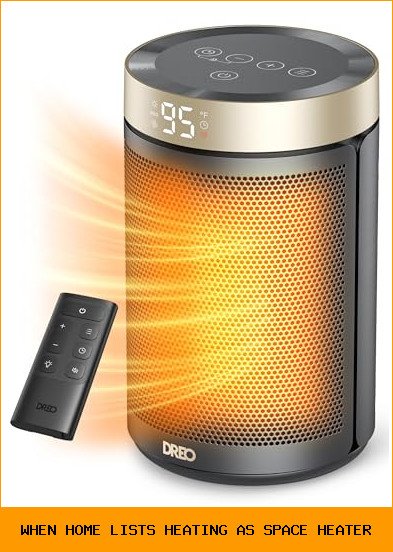
DREO
DREO Space Heater, Portable Electric Heaters for Indoor Use with Thermostat | 2026 Upgraded, 34dB Quiet, 12H Timer, 5 Mode, Remote, 1500W PTC Ceramic Fast Safety Heat for Office Bedroom Home, Gold
- Powerful heat that fits everywhere: DREO space heaters for indoor combines Hyperamics 1500W advanced PTC system with a new heat fu…
- Unbreakable safety:DREO goes beyond the unexpected to deliver peace of mind with every room heater. The innovative tilt-detection…
- Ultimate temperature control: The enhanced NTC chipset brings more precision to turn your space heater with thermostat into a smar…
If you’re in a pinch and need heat right now, a quality portable unit like the DREO Space Heater can fill the gap while you sort out a permanent solution. It’s not a replacement for central HVAC, but it’s a solid stopgap that heats a single room quickly.
Why Do Homes List a Space Heater as the Primary Heat Source?
This notation shows up in a few specific scenarios. The most common is an older home where the original heating system failed or was removed. Maybe the boiler rusted out, or the furnace reached the end of its life, and the owner decided to sell “as-is” rather than invest thousands in a replacement.
Another situation is a home that never had central heating. Think of converted garages, summer cottages turned year-round, or additions built without proper permits. In those cases, the space heater might be the only heat that ever existed.
Sometimes it’s a seasonal home. A lake cabin that’s only used from May to September doesn’t need a furnace. The listing agent writes “space heater” because that’s literally what’s in the property.
The key question is whether the heater is the primary source or just a supplement. A listing that says “Heating: Space Heater” usually means there is no other system. If it said “Heating: Forced Air, plus space heater,” that’s a different story.
Here’s the uncomfortable truth: some sellers use this phrasing to avoid a legal disclosure. In many states, you must disclose known defects. If the furnace is broken, they have to say so. But if they call the space heater the heating system, they can argue the house has a working heat source. It’s a gray area, and it’s worth pushing back on.
What a Space Heater Listing Means for Your Mortgage and Insurance
This is where things get tricky. Most conventional lenders will not approve a loan on a home without a permanent, built-in heating system. FHA and VA loans have strict property standards, and a portable plug-in heater doesn’t qualify.
If you’re paying cash, you can skip that headache. But if you need a mortgage, you’ll likely face one of these outcomes:
- The lender requires the seller to install a permanent system before closing.
- The loan gets denied, and you have to look at other properties.
- You switch to a renovation loan (like a 203k) that rolls the cost of a new furnace into the mortgage.
Insurance is a separate beast. Homeowners policies often have exclusions for homes without standard heating. Insurers worry about frozen pipes in winter, and a space heater left running unattended is a fire risk. Some companies will flat-out refuse to write a policy. Others will charge a much higher premium.
Before you get too attached to the house, call your insurance agent. Give them the address and tell them the heating situation. Get a quote in writing. If they say no, ask what it would take to get coverage. That answer tells you exactly what you’re dealing with.
You should also check local building codes. Some municipalities require a permanent heat source for a structure to be considered habitable. If the home fails that standard, you could face fines or be unable to get a certificate of occupancy.
How Much Does It Actually Cost to Fix the Heating?
Let’s talk numbers, because this is where buyers get blindsided. The cost to install a new heating system depends on the fuel type and the home’s layout.
| Heating System | Typical Cost Range | Best For | Install Time |
|---|---|---|---|
| Electric baseboard (per room) | $500 – $1,500 per unit | Small homes, no ductwork | 1-2 days |
| Mini-split heat pump (per zone) | $3,000 – $7,000 | Homes without ducts, mild climates | 2-3 days |
| Forced air gas furnace | $4,000 – $10,000 | Homes with existing ductwork | 3-5 days |
| Radiant floor heating | $10 – $20 per sq ft | Whole-home comfort, renovations | 1-2 weeks |
| Boiler and radiators | $6,000 – $15,000 | Large homes, cold climates | 1 week |
Those prices include equipment and labor but not permits or duct modifications. If the home has no ductwork and you want forced air, add another $5,000 to $10,000 for running new ducts.
Here’s a smart move: get three quotes before you make an offer. Tell the HVAC contractor the square footage, the number of rooms, and whether there’s existing ductwork. They’ll give you a rough estimate over the phone. Use that number to negotiate the purchase price down.
One more thing to check — the electrical panel. A space heater draws a lot of power. If the home has an older 60-amp panel, it might not handle a new electric heating system. Upgrading to 200-amp service costs around $2,000 to $4,000. That’s an easy cost to miss until the electrician shows up.
Inspections and Negotiation Tactics for Space Heater Homes
Your home inspector will flag the missing permanent heat source. That’s not optional — it’s a major safety and habitability issue. The report will probably say the space heater is a fire hazard if left unattended, and that the home lacks a proper heating system.
Use that report as leverage. Here’s how the negotiation usually plays out:
- Request a credit equal to the lowest HVAC quote you received.
- If the seller refuses, ask them to install a system themselves using a licensed contractor.
- If they still refuse, decide if the purchase price is low enough to justify the extra out-of-pocket cost.
Some sellers will drop the price by $5,000 or $10,000 just to get rid of the headache. That might be a great deal for you if you’re handy or have family in the trades. It’s a terrible deal if you’re stretching your budget and can’t afford a surprise $8,000 furnace replacement in month one.
Don’t forget to check the space heater itself. If it’s an older model without tip-over protection, that’s a hazard. Modern units like the DREO have safety features like tilt-detection and overheat protection, but a 20-year-old coil heater is a different story. Ask the seller if they’ll remove it before closing, or just plan to replace it yourself.
Should You Walk Away or Make a Lowball Offer?
That depends entirely on your risk tolerance and your timeline. If you need to move in within a month, a space heater listing is a non-starter unless the seller agrees to fix it before closing. Installation takes time, permits take time, and inspections take time.
If you have a flexible timeline and cash reserves, this could be a genuine opportunity. Homes with missing heating systems sit on the market longer. Sellers get desperate. You can often negotiate a price that leaves room for the new system and still comes in under market value.
The worst-case scenario is a buyer who doesn’t read the listing details, gets pre-approved for a mortgage, and then hits a wall when the appraiser refuses to sign off. That’s a wasted inspection fee and a lot of disappointment. Don’t be that buyer.
One honest caveat: even with a great deal, dealing with a heating installation is a hassle. You’ll need to coordinate contractors, take time off work, and live with construction dust. If that sounds miserable, pay more for a move-in-ready home.
Frequently Asked Questions About Space Heater Listings
Can I get a mortgage on a house that only has a space heater?
Probably not with a conventional loan. FHA and VA loans require a permanent heating system that can maintain a safe temperature. Some local credit unions or portfolio lenders might work with you, but they’ll likely charge a higher interest rate. Cash buyers have the most flexibility here.
Is it legal to sell a house with only a space heater?
It’s legal to list the property, but the seller must disclose the heating situation accurately. If they claim the space heater is the primary heat source and it’s not permanently installed, that’s a disclosure issue. Check your state’s real estate laws, and have your agent review the seller’s disclosure form carefully.
Will home insurance cover a house heated by a space heater?
Many standard policies will not. Insurers see portable heaters as a fire risk and unheated pipes as a freeze risk. You might find a specialty insurer, but expect higher premiums. Always get written confirmation of coverage before closing.
How long can a space heater safely run?
Modern units with good safety features can run for hours, but they’re not designed for 24/7 use as a primary heat source. Most manufacturers recommend turning them off when you’re asleep or away. Running one constantly also spikes your electric bill — a 1500W heater can add $100 or more per month.
Can I use a space heater while I save up for a real heating system?
Yes, but do it safely. Buy a newer model with tip-over and overheat protection. Keep it at least three feet from anything flammable. Use it only in the room you’re occupying. And get a quote for the permanent system early, so you know how long you’ll need to rely on the portable unit.
What to Do Next If You’re Eyeing a Space Heater Home
You’ve read the listing, you’ve seen the photos, and you’re still interested. Here’s your action plan:
- Call your insurance agent before making an offer. Get a written quote or a clear denial.
- Talk to a mortgage lender about whether the property will qualify for financing.
- Get three HVAC quotes for a permanent system. Use the lowest one in your negotiation.
- Check the electrical panel for capacity. Upgrading it adds significant cost.
- Ask the seller for the age and condition of the space heater. Request they remove it before closing.
- Factor in a few weeks of construction time before you can move in.
- If the numbers work and you have cash reserves, make an offer that reflects the true cost of making the home livable.
A space heater listing isn’t a death sentence for a home purchase. It’s a signal that the property needs work and money. Go in with your eyes open, do the math, and don’t let the emotional pull of a pretty house override your financial common sense.



