Understanding Abachi Wood’s Unique Properties
Imagine stepping into a sauna after a long day, the heat enveloping you like a warm embrace. You lean back on a headrest, but instead of feeling the burn of hot wood, you experience a refreshing coolness under your head. This is the magic of abachi wood, a material prized for its unique properties that make it a favorite choice in sauna construction.
Throughout this article, you’ll learn why abachi wood remains cool to the touch at high temperatures, the science behind its thermal properties, and how you can benefit from its use in your sauna experience. You’ll also discover a recommended product — the Goldspatz Germany 4-Point Sauna headrest, made from abachi wood, designed to enhance comfort while you relax.

Goldspatz
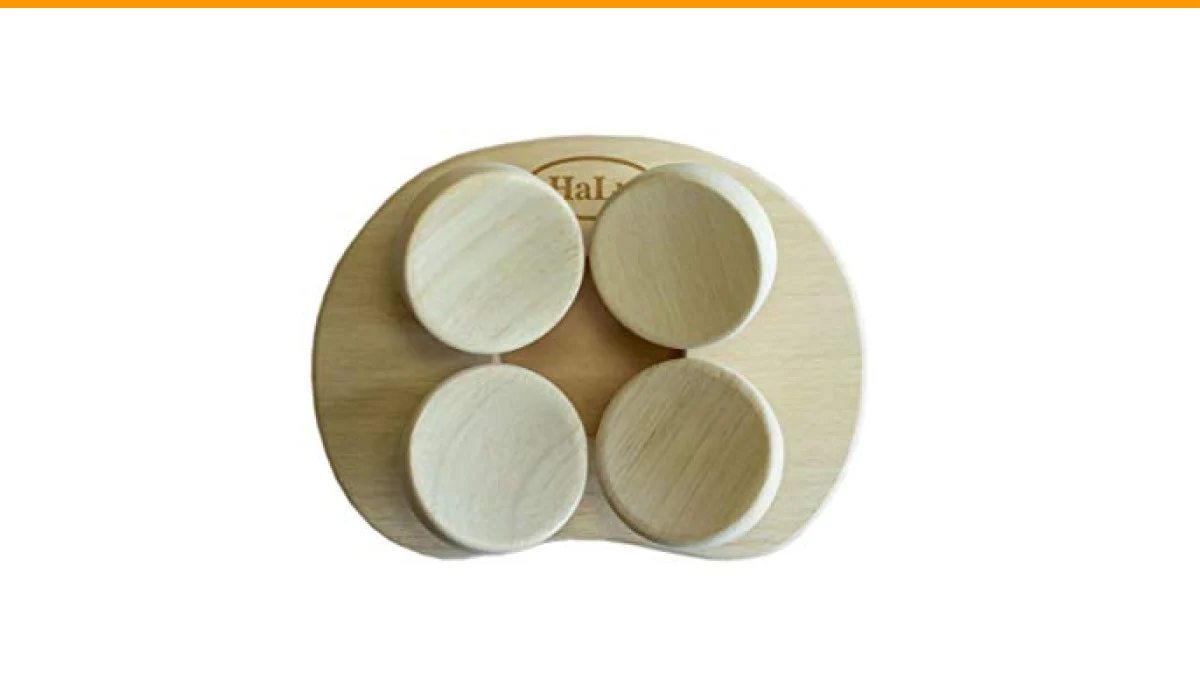
Goldspatz Germany 4-Point Sauna headrest (Abachi, Round)
- 4 concave, flexibly mounted discs for a optimal head posture
- Enables the highest level of comfort in the sauna bath
- Only the head is supported / Neck and shoulders remain untouched
Thermal Conductivity Explained
Thermal conductivity refers to a material’s ability to conduct heat. In simpler terms, it determines how quickly heat can transfer through a substance. Abachi wood exhibits low thermal conductivity, which means it does not absorb heat quickly, allowing it to remain cooler than other woods when exposed to high temperatures.
For instance, while hardwoods like oak and maple can reach temperatures that can be uncomfortable to the touch, abachi wood typically stays at a more manageable level. According to various studies, the thermal conductivity of abachi wood is approximately 0.14 W/m·K. In contrast, oak wood has a thermal conductivity of around 0.17 W/m·K, making abachi a superior choice for sauna settings.
Moisture Content and Heat Resistance
Another factor contributing to the coolness of abachi wood is its moisture content. Freshly cut abachi wood contains a significant amount of moisture, which helps in maintaining a cooler surface temperature. As moisture evaporates, it cools the wood, helping to regulate its temperature even under intense sauna heat.
Abachi wood typically has a moisture content of 15% to 20%, making it ideal for sauna environments. This natural moisture not only keeps the wood cool but also helps in preventing warping and cracking, which are common issues with drier woods. The moisture also assists in creating a more comfortable experience, as it can help to moderate the air temperature around you.
Insulation Properties of Abachi Wood
Abachi wood’s insulation properties play an essential role in its ability to remain cool. The structure of the wood consists of numerous air pockets that act as insulators, slowing down the transfer of heat. This means that even when the sauna reaches high temperatures, the wood does not conduct that heat to its surface. This is particularly important because it allows for a more comfortable experience, letting users rest their heads without the discomfort of hot wood.
In practical terms, when using sauna accessories made from abachi wood, such as the Goldspatz Germany 4-Point Sauna headrest, you can enjoy the highest level of comfort. The headrest’s design, with its four concave, flexibly mounted discs, allows your head to rest in a natural position, leaving your neck and shoulders free from pressure points. This thoughtful construction enhances your overall sauna experience.
Comparing Wood Types for Sauna Use
| Wood Type | Thermal Conductivity (W/m·K) | Moisture Content (%) | Insulation Properties |
|---|---|---|---|
| Abachi | 0.14 | 15-20 | High |
| Oak | 0.17 | 10-15 | Medium |
| Cedar | 0.16 | 12-18 | Medium |
| Pine | 0.15 | 12-20 | Medium |
Common Questions About Abachi Wood
1. How does abachi wood compare to other woods in saunas?
Abachi wood is favored for its low thermal conductivity and high moisture content, making it cooler to the touch than many other woods like cedar or oak. This helps create a more comfortable sauna experience.
2. Is abachi wood durable for sauna use?
Yes, abachi wood is known for its durability in humid environments. Its natural resistance to moisture helps prevent warping and cracking, ensuring longevity in sauna applications.
3. Can abachi wood be used for sauna benches?
Absolutely. Abachi wood is an excellent choice for sauna benches due to its heat resistance, low thermal conductivity, and comfort. It allows users to sit comfortably without feeling overheated.
4. How should abachi wood be maintained in a sauna?
Maintaining abachi wood involves regular cleaning with mild soap and water. Avoid harsh chemicals that can damage the wood. Regularly check for moisture and make sure the sauna is well-ventilated to prevent mold.
5. Are there any downsides to using abachi wood?
While abachi wood offers many benefits, it can be more expensive than some other types of wood. Additionally, it requires careful sourcing to ensure quality, as not all abachi wood is created equal.
Takeaways to Enhance Your Sauna Experience
- Choose abachi wood for its low thermal conductivity, ensuring a cooler touch during high temperatures.
- Utilize sauna accessories made from abachi wood, like the Goldspatz Germany 4-Point Sauna headrest, for added comfort.
- Maintain a moisture content of 15-20% in your sauna wood to prevent warping and enhance coolness.
- Regularly clean and ventilate your sauna to prolong the life of your abachi wood.
- Consider the insulation properties of abachi when selecting materials for your sauna.
- Be mindful of sourcing quality abachi wood to ensure durability and performance.
- Enjoy the benefits of a comfortable and relaxing sauna experience by understanding the materials you choose.