Picture a chilly winter evening. You’re tucked in with a blanket, cozying up as your ceramic heater hums to life. Suddenly, it turns off, leaving you in an icy draft. Moments later, it switches back on. This cycle can be baffling. Why does this happen? In this article, we’ll explore the reasons your ceramic heater turns on and off, shedding light on various factors that influence its operation.
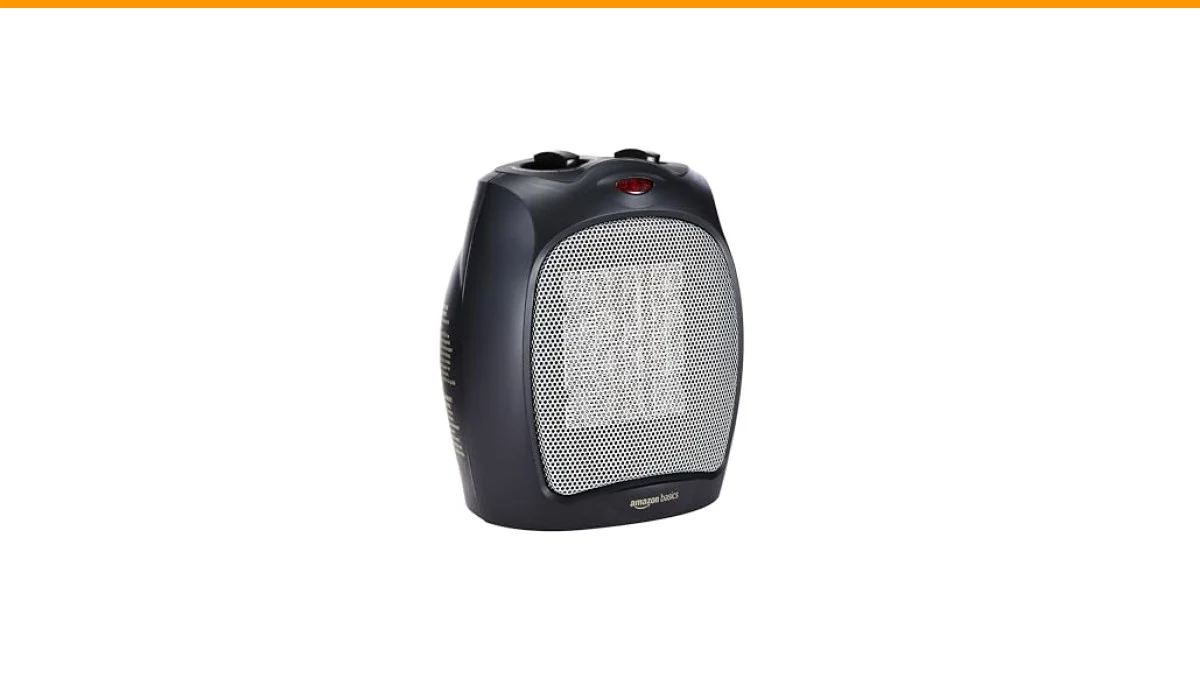
Understanding these cycles will help you appreciate the technology behind your heater. You’ll also learn how to ensure it operates efficiently. For instance, a ceramic heater like the Amazon Basics Ceramic Space Heater offers customizable heating settings and built-in safety features, making it an excellent choice for indoor comfort.

Amazon Basics
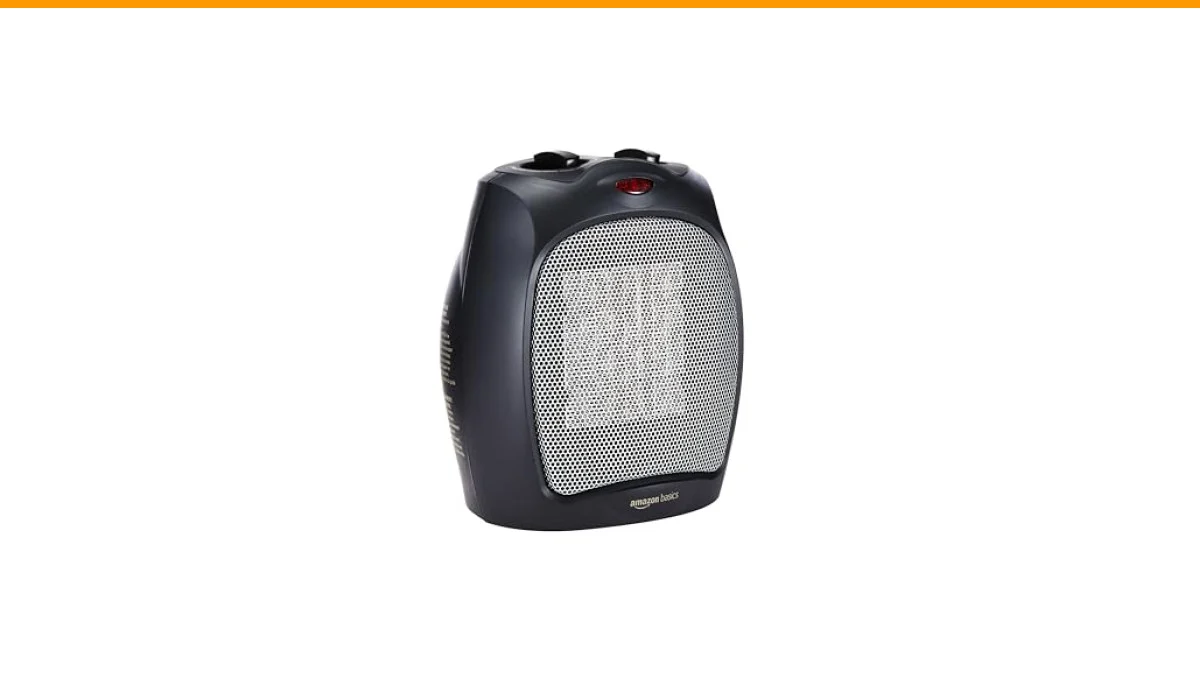
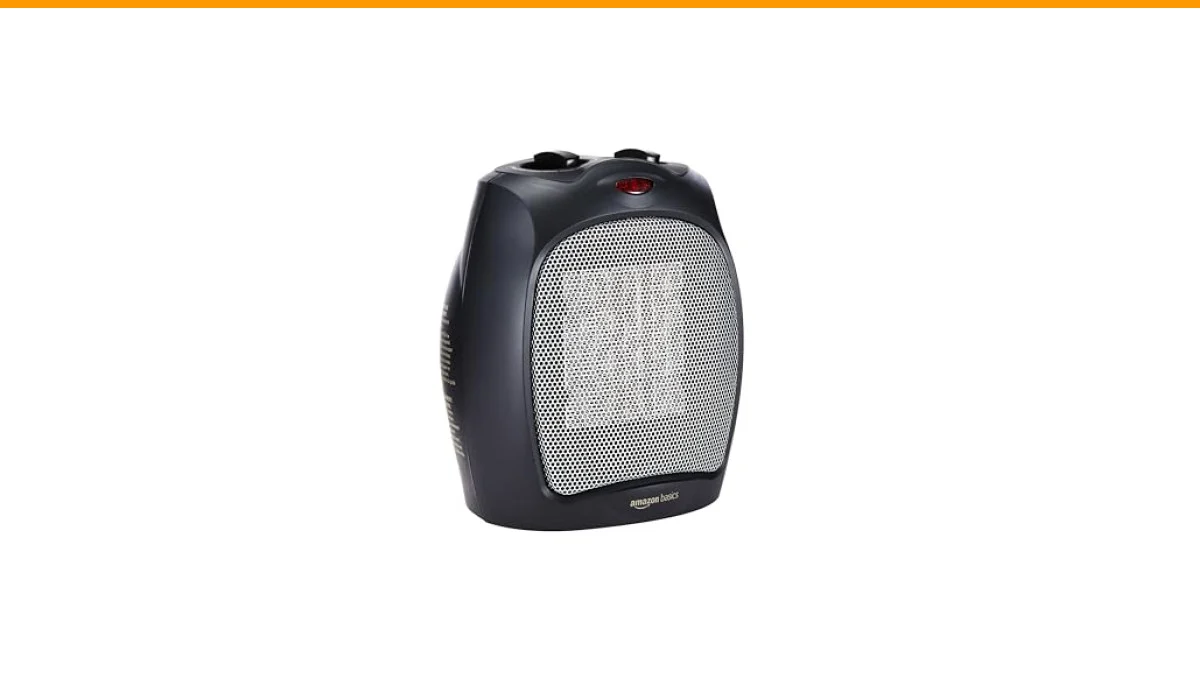
Amazon Basics Ceramic Space Heater, Portable Indoor Heating Solution, With Overheat and Tip-Over Protection, Thermostat, Non-Oscillating, 1500W, 7.52"D x 6.34"W x 9.45"H, Black
- CUSTOMIZABLE HEATING OPTIONS: Choose from three settings to suit your needs - High (1500W), Low (900W), or Fan Only for air circul…
- COMPACT & PORTABLE: Weighing just 3 lbs and sized at 7.5“L x 6.3”W x 9.5“H, this space heater is easy to move and perfect for your…
- Built-in Tip-Over Protection, Overheat Protection, and a Power Indicator Light for safe operation.
Let’s dive into the core reasons your ceramic heater may be turning on and off.
 HVAC: Lasko Ceramic Heater Keeps Shutting OFF (Digital Ceramic Tower Space Heater Maintenance) DIYWatch on YouTube
1. Thermostat Control
Most ceramic heaters come with a built-in thermostat. This device monitors the room temperature and adjusts the heater’s operation accordingly. When the room reaches the set temperature, the thermostat signals the heater to turn off. If the temperature drops again, it will turn back on.
This cycling is completely normal. For example, if you set your heater to maintain a temperature of 70°F and the room heats up to that level, the heater will shut off. Conversely, if the temperature dips to 68°F, it will restart. The point here is that this on-and-off behavior is a sign of a functioning thermostat.
2. Overheat Protection
Safety is a priority for ceramic heaters. Many models include overheat protection, which is designed to prevent the unit from getting too hot. If the heater’s internal temperature exceeds a certain threshold, it will shut off automatically to prevent fire hazards.
When the heater cools down, it will restart. This could happen if the heater is placed too close to walls or furniture, restricting airflow. Keeping the heater at least three feet away from any obstructions can help maintain optimal airflow and prevent frequent shutdowns.
3. Power Supply Issues
Another reason your ceramic heater might be switching on and off is related to its power supply. If there are fluctuations in voltage or if the circuit is overloaded, the heater may turn off to protect itself. This is especially common in older homes with inadequate electrical systems.
Ensure that your heater is plugged directly into a wall outlet rather than an extension cord. Using an extension can lead to voltage drops, causing the heater to turn off unexpectedly.
4. Ambient Temperature Changes
Rapid changes in ambient temperature can also affect your heater’s operation. For instance, if you open a door or window, cold air can flow into the space. The heater may respond by turning on to compensate for the temperature drop. Conversely, if you close the door, the heater might turn off as the room quickly returns to the set temperature.
Understanding your environment can help you manage how often the heater cycles. Try to minimize drafts and maintain a stable indoor climate for your ceramic heater.
| Reason | Description | Solution |
|---|---|---|
| Thermostat Control | Built-in thermostat regulates heating based on room temperature. | Adjust the set temperature as needed. |
| Overheat Protection | Shuts off if it gets too hot. | Ensure it has proper airflow and isn’t obstructed. |
| Power Supply Issues | Fluctuations can cause the heater to turn off. | Use a direct wall outlet, avoid extension cords. |
| Ambient Temperature Changes | Cold drafts can trigger cycling. | Minimize openings to maintain a stable temperature. |
Why does my ceramic heater turn on and off frequently?
Frequent cycling is usually due to a sensitive thermostat that quickly reacts to temperature changes. If it’s too close to drafty areas, it may turn off and on more often.
Is it normal for my ceramic heater to turn off after a few hours?
Yes, many heaters have timers or safety features that shut them off after a set period. This prevents overheating and saves energy.
Can I use an extension cord with my ceramic heater?
It’s not recommended. Using an extension cord can lead to voltage drops and may cause the heater to turn off unexpectedly.
What should I do if my heater doesn’t turn back on?
First, check the power supply and ensure the outlet is functioning. If it’s still unresponsive, consult the manual or contact customer support.
How can I maintain my ceramic heater?
Keep it clean, ensure proper airflow, and avoid using it in damp areas. Regular maintenance will prolong its life and efficiency.
Practical Insights
- Check your heater’s placement for optimal airflow.
- Ensure it’s plugged directly into a wall outlet.
- Regularly clean the heater to prevent dust buildup.
- Monitor the room temperature to adjust settings as needed.
- Keep the heater away from wet areas to avoid damage.
- Utilize the heater’s safety features for efficient operation.