Imagine settling into your infrared sauna after a long day, only to find it not reaching the cozy warmth you expect. This frustrating experience is more common than you might think. Whether you’re a seasoned sauna user or new to the benefits of infrared therapy, understanding the reasons behind insufficient heating can significantly enhance your sauna experience.
This article aims to provide you with insights into several factors that might prevent your infrared sauna from reaching its maximum temperature. You’ll learn about the common culprits, actionable troubleshooting tips, and how to ensure your sauna operates effectively. With this knowledge, you can enjoy the full benefits of your sauna sessions.
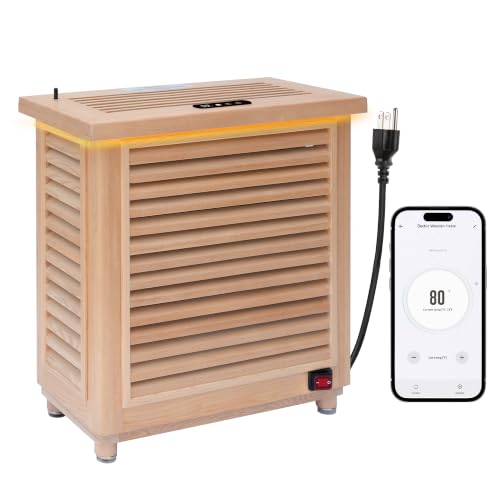
GoldenWave
GoldenWave Far-Infrared Sauna Heater with Plug 110V 1500W for Compact Sauna | Portable, Low-energy, Touch+WIFI, Stone-Free, Adjustable Max 158 °F & Timer, for Home DIY Sauna,Sauna Tent (35-105 cu.ft)
- 【𝐀𝐝𝐯𝐚𝐧𝐜𝐞𝐝 𝐆𝐫𝐚𝐩𝐡𝐞𝐧𝐞 𝐇𝐞𝐚𝐭𝐢𝐧𝐠 – 𝐅𝐚𝐬𝐭𝐞𝐫 & 𝐌𝐨𝐫𝐞 𝐄𝐟𝐟𝐢𝐜𝐢𝐞𝐧𝐭】 –Unlike traditional sauna heaters that rely on bulky stones and slow heat-up…
- 【𝐒𝐚𝐟𝐞 𝐂𝐨𝐨𝐥‑𝐓𝐨𝐮𝐜𝐡 𝐇𝐞𝐦𝐥𝐨𝐜𝐤 𝐄𝐧𝐜𝐥𝐨𝐬𝐮𝐫𝐞 】– Made from natural Canadian Hemlock wood, the outer shell remains cool to the touch even at p…
- 【𝐏𝐥𝐮𝐠‑𝐚𝐧𝐝‑𝐏𝐥𝐚𝐲 𝐈𝐧𝐬𝐭𝐚𝐥𝐥𝐚𝐭𝐢𝐨𝐧】-Designed for convenience with no specialized electrical work required. This 1500W unit operates on a…
If you’re in the market for a reliable heater, consider the GoldenWave Far-Infrared Sauna Heater. This advanced heater utilizes graphene technology for faster and more efficient heating, making it a great option for compact saunas.

Understanding Infrared Sauna Heating
Infrared saunas use infrared light to heat the body directly rather than warming the air around you. This method provides a more comfortable experience at lower temperatures, typically between 120°F to 150°F (49°C to 65°C). However, several factors can hinder the heater’s performance, preventing it from reaching the desired temperature.
Common Reasons for Insufficient Heating
When your infrared sauna fails to reach its maximum temperature, pinpointing the issue can be daunting. Here are some common reasons and how to address them:
1. Insufficient Power Supply
Your sauna heater requires a specific wattage to function correctly. Most smaller units, including residential infrared saunas, need between 1,500 to 2,000 watts. If your power supply cannot deliver adequate wattage, the heater will struggle to reach optimal temperatures.
- Check your circuit breaker to ensure it’s not tripped.
- Make sure you’re using an outlet that supports the required voltage (usually 110V or 220V).
2. Poor Insulation
Infrared saunas rely on proper insulation to trap heat. If your sauna has gaps or is poorly insulated, heat can escape, causing the temperature to stagnate. Look for:
- Cracks or gaps in the wood or walls.
- Poorly fitting doors or windows.
Sealing these gaps can significantly improve heating efficiency.
3. Heater Malfunction
Over time, sauna heaters can experience wear and tear. If the infrared heater elements are damaged or malfunctioning, the sauna may not heat adequately. Regular checks for:
- Burn marks or discoloration on the heating elements.
- Unusual noises during operation.
Consider replacing the heater or contacting a professional for repair if you notice any issues.
4. Incorrect Usage
Sometimes, the way you use the sauna can affect its performance. Here are a few tips for optimal use:
- Ensure the sauna is pre-heated adequately before entering.
- Avoid overcrowding; too many people can cool the space.
Following the manufacturer’s guidelines for usage can lead to a better experience.
5. Thermostat Issues
The thermostat controls the temperature of the sauna. If it’s malfunctioning, it may not accurately read the temperature, leading to inadequate heating. Check to see if:
- The thermostat is set correctly.
- It’s functioning properly; consider replacing it if it’s faulty.
Comparative Analysis of Common Issues and Solutions
| Issue | Symptoms | Solution |
|---|---|---|
| Insufficient Power Supply | Heater won’t reach desired temperature | Check circuit and outlet compatibility |
| Poor Insulation | Heat escapes, cold spots | Seal gaps and improve insulation |
| Heater Malfunction | Burn marks, unusual noises | Inspect heater; consider replacement |
| Incorrect Usage | Inconsistent heating | Follow manufacturer guidelines; pre-heat |
| Thermostat Issues | Inaccurate temperature readings | Check settings; replace if faulty |
Frequently Asked Questions
Why does my infrared sauna take so long to heat up?
Heating time can vary based on the wattage of your sauna heater. Typically, a well-functioning infrared sauna should heat up within 10-20 minutes. If it takes longer, check the power supply and insulation.
Can I use my infrared sauna every day?
Yes, daily use is generally safe for most people. However, consult a healthcare provider if you have underlying health conditions or concerns.
What temperature should my infrared sauna reach?
Most infrared saunas operate best between 120°F to 150°F (49°C to 65°C). Adjust your settings according to personal comfort.
How can I maintain my infrared sauna?
Regular cleaning and maintenance are essential. Wipe down surfaces after each use and check the heater and electrical components periodically for any issues.
What should I do if my sauna is still not heating properly?
If troubleshooting does not resolve the issue, consider consulting a professional technician. They can conduct a thorough inspection and provide solutions.
Final Thoughts: Getting the Most Out of Your Infrared Sauna
- Check your power supply and ensure compatibility.
- Inspect insulation for any gaps or weaknesses.
- Regularly maintain your sauna heater and components.
- Follow usage guidelines for optimal performance.
- Address thermostat issues promptly to ensure accurate readings.
- Consider upgrading to a high-quality heater like the GoldenWave Far-Infrared Sauna Heater for better efficiency.
- Always consult a professional if in doubt about repairs.