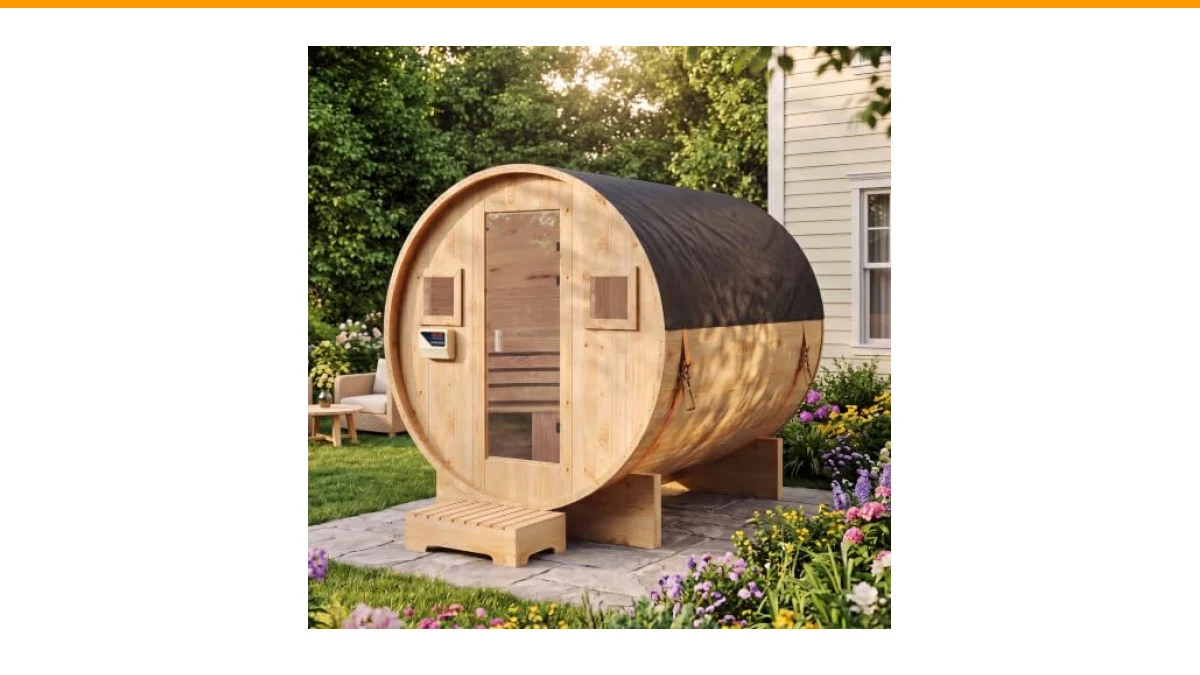
Imagine a serene sauna experience. The room is filled with warmth, and the air is infused with a gentle, soothing steam that envelops you. Suddenly, someone douses the hot rocks with a bucket of water, releasing a harsh, scalding steam that disrupts this tranquil atmosphere. What went wrong? The answer lies in understanding the science behind steam generation and the impact of water on heated rocks.
In this article, you’ll discover why pouring too much water on rocks creates harsh steam. You’ll learn about the physics of steam production, the role of temperature, and how to achieve the perfect balance for a pleasant steam experience. Additionally, we’ll explore a practical product that can help create a more enjoyable atmosphere in your home.

SALKING
SALKING 2-in-1 Essential Oil Diffuser for Home & Himalayan Salt Lamp, 150ml | Ultrasonic Aromatherapy Diffuser, Cool Mist Humidifier with Auto Shut-Off, 100% Pure Himalayan Pink Salt Rock, Wooden Grain
- Aromatherapy and Salt Therapy - Our 2-in-1 Himalayan salt lamp and essential oil diffuser combines the therapeutic properties of a…
- Pure Himalayan Pink Salt Rock - This salt lamp diffuser come with a pack of unprocessed Himalayan pink salt crystals and it is per…
- Eye-Catching Simulation Flame Effect - Salt therapy lamp and aromatherapy diffuser with flame is such unique concept and design. T…
The SALKING 2-in-1 Essential Oil Diffuser for Home & Himalayan Salt Lamp combines the therapeutic properties of a Himalayan salt lamp with the soothing effects of an essential oil diffuser. This product allows you to enjoy gentle aromas and a warm ambiance, making it a great addition to any relaxing space.

Understanding Steam Production
Steam is simply water in its gaseous state. When water is heated, it transitions from liquid to gas. This process occurs at 100 degrees Celsius (212 degrees Fahrenheit) at standard atmospheric pressure. However, the way steam is produced from heated rocks involves additional variables.
When you pour water on hot rocks, the water instantly vaporizes. If the rocks are sufficiently hot, the water can turn into steam in a matter of seconds. However, pouring excessive water can overwhelm the heat capacity of the rocks, leading to a rapid and violent steam release.
The Physics of Steam Generation
Understanding the physics behind steam generation is crucial for achieving a pleasant sauna experience. Here are some key points:
- Temperature: Hot rocks can reach temperatures of 200 degrees Celsius (392 degrees Fahrenheit) or more. At this temperature, water poured onto the rocks will vaporize quickly.
- Heat Capacity: Each rock type has a specific heat capacity, which determines how much heat it can absorb. For example, basalt has a higher heat capacity than granite, allowing it to store more heat.
- Vapor Pressure: The vapor pressure of water increases with temperature. When the pressure builds up too quickly due to excessive water, it can lead to harsh, scalding steam.
In practical terms, when you pour too much water on hot rocks, the immediate vaporization creates a rapid build-up of steam pressure, leading to a harsh and potentially painful steam release.
The Right Amount of Water: Finding Balance
Finding the right amount of water to pour on heated rocks is essential for creating a comfortable steam experience. As a rule of thumb:
- Start with a small amount of water, about 1/4 cup, and observe the resulting steam.
- Gradually increase the water volume, paying attention to the steam’s intensity and quality.
- Aim for a gentle, billowing steam rather than a sudden, harsh release.
Experimenting with different rock types can also help. Some rocks retain heat better, while others may cause quicker steam build-up. Adjust your water usage based on the type of rock and temperature.
Comparing Methods of Generating Steam
| Method | Water Volume | Steam Quality | Ideal Use |
|---|---|---|---|
| Controlled Pour | 1/4 cup | Gentle, soothing | Saunas, relaxation |
| Heavy Pour | 1 cup+ | Harsh, scalding | Not recommended |
| Steam Pots | Varies | Consistent, even | Aromatherapy |
| Himalayan Salt Lamp Diffuser | 150ml | Gentle, aromatic | Home ambiance |
What happens when you pour too much water on hot rocks?
Pouring excess water on hot rocks leads to rapid vaporization, creating a sudden surge of steam. This can result in harsh, scalding steam that disrupts the sauna experience.
How much water should I use for steam generation?
Start with about 1/4 cup of water and adjust based on your preferences and the type of rocks used. Gradually increase the volume for desired steam quality.
What rock types are best for generating steam?
Basalt and granite are popular choices for their heat retention properties. Basalt, in particular, retains heat well, allowing for effective steam generation.
Can I use an essential oil diffuser with heated rocks?
Yes, using an essential oil diffuser, like the SALKING model, can enhance the steam experience. It adds pleasant aromas while maintaining a gentle steam flow.
Is there a way to prevent harsh steam when using hot rocks?
Monitor the amount of water you pour onto the rocks. Start small and increase gradually to prevent overwhelming the heat capacity of the rocks.
Practical Takeaways
- Start with 1/4 cup of water to test steam generation.
- Use basalt or granite for optimal heat retention.
- Monitor steam intensity and adjust water volume accordingly.
- Consider using a Himalayan salt lamp diffuser for added ambiance.
- Experiment with different rock types to find your ideal steam experience.
- Be cautious with heavy pours to avoid harsh steam.
- Maintain a comfortable sauna atmosphere by controlling steam flow.