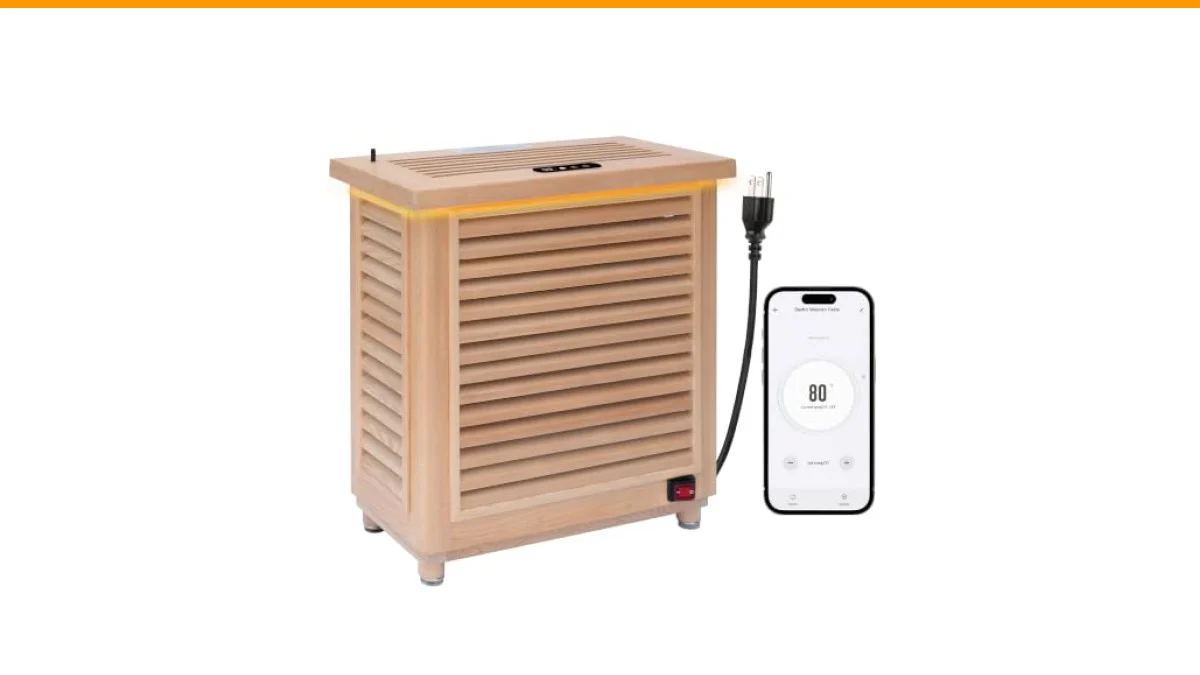
Imagine stepping into your traditional sauna after a long week. The heat envelops you, providing a much-needed escape from daily stress. Now consider the materials used to construct that sanctuary. Are they helping or hindering your sauna experience? One common material people often think of is fiberglass insulation. While it may seem like a practical solution, there are significant reasons to steer clear of this choice, especially in the humid environment of a sauna.
This article will explain why fiberglass insulation is not suitable for traditional saunas. You’ll learn about the moisture problems it creates, the efficiency of alternative materials, and how to properly insulate your sauna for the best performance. By the end, you’ll be equipped to make an informed decision for your sauna project.
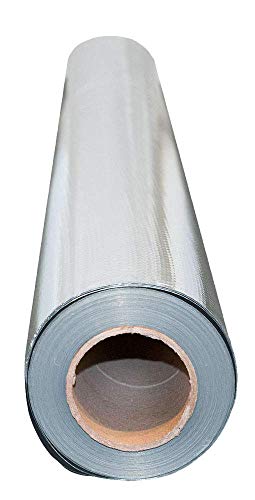
If you’re considering insulation for your sauna, the MWS 300 sqft Aluminum Foil Barrier Insulation Sauna Vapor Barrier offers a waterproof solution that can help manage moisture effectively. This product is designed to withstand the humid conditions typical in saunas, making it a more suitable choice than fiberglass.

Understanding the Humid Environment of a Sauna
Saunas are designed to maintain high temperatures combined with high humidity levels, especially in traditional setups. Typically, temperatures range from 150°F to 195°F (65°C to 90°C), with humidity reaching upwards of 20% to 50% during use. This unique environment poses challenges for traditional building materials.
Fiberglass insulation, while commonly used in homes, is made from fine glass fibers. When exposed to moisture, it can absorb water, losing its insulating properties and creating a breeding ground for mold and mildew. In a sauna, this can lead to not just a decline in energy efficiency but also serious health concerns.
Moisture Management Issues
Why is moisture management crucial in a sauna? Excess moisture can lead to structural damage and impact user health. Fiberglass insulation can trap moisture against the walls, causing them to rot over time. In fact, studies show that wet fiberglass loses up to 90% of its insulating ability.
In contrast, materials like closed-cell foam or the aforementioned aluminum foil barrier not only resist moisture but also provide effective insulation. Closed-cell foam, for example, has an R-value (a measure of thermal resistance) of about 6 to 7 per inch, which is significantly higher than fiberglass, often rated around 2.9 to 3.8.
Health Risks Associated with Fiberglass Insulation
Another concern with using fiberglass insulation in a sauna relates to health risks. Fiberglass can irritate the skin, eyes, and lungs, particularly when it breaks down and releases tiny particles into the air. In a confined space like a sauna, where you breathe deeply, exposure to these particles can lead to respiratory issues.
Moreover, the trapped moisture in fiberglass can contribute to mold growth, which can also have serious health implications. Mold spores can trigger allergies, asthma, and other respiratory problems. This is particularly problematic in a sauna, where you aim to promote relaxation and wellness.
Comparative Table of Insulation Options for Saunas
| Type of Insulation | R-Value (per inch) | Moisture Resistance | Health Risks |
|---|---|---|---|
| Fiberglass | 2.9 to 3.8 | Poor | Skin and respiratory irritation |
| Closed-Cell Foam | 6 to 7 | Excellent | Low |
| Aluminum Foil Barrier | Varies, reflective properties | Excellent | Low |
| Mineral Wool | 3.1 to 4.3 | Moderate | Low |
Alternative Insulation Solutions
What should you use instead of fiberglass insulation? As mentioned, closed-cell foam is an excellent alternative. It is highly effective at preventing moisture ingress and retains its insulation value even in humid conditions. Another option is mineral wool, which offers decent moisture resistance and soundproofing benefits.
The aluminum foil barrier insulation, like the MWS product, is particularly useful in saunas. It acts as a vapor barrier while reflecting heat, which helps maintain the high temperatures needed for an enjoyable sauna experience.
Frequently Asked Questions
Is fiberglass insulation always unsuitable for saunas?
Yes, fiberglass is not recommended for saunas due to its moisture retention properties and potential health risks.
What is the best insulation for a sauna?
Closed-cell foam and aluminum foil barriers are among the best options for insulating a sauna effectively.
Can I use fiberglass insulation in a dry sauna?
Even in a dry sauna, fiberglass insulation can still be problematic due to its moisture-absorbing nature and health concerns.
How often should sauna insulation be checked?
It’s wise to inspect sauna insulation annually for any signs of moisture damage, mold, or degradation.
What are the signs of moisture damage in insulation?
Signs include damp spots, mold growth, and a musty odor. If you notice these, it’s crucial to replace the insulation.
Final Thoughts on Insulating a Sauna
- Avoid fiberglass insulation in humid sauna environments.
- Consider closed-cell foam for superior moisture resistance.
- Aluminum foil barrier insulation can provide an effective vapor barrier.
- Regularly check your sauna insulation for moisture damage.
- Choose materials that minimize health risks while optimizing thermal performance.
- Educate yourself on the nuances of sauna construction for a better experience.
- Invest in quality materials to ensure longevity and safety in your sauna.