Introduction
Imagine stepping into your sauna after a long day, the warmth enveloping you in a soothing embrace. It’s a space for relaxation, but what if that comfort came with hidden risks? One significant danger is the potential for creosote fires, a threat that many sauna owners may not fully understand. This article will explain how stainless steel chimney kits effectively prevent these fires, keeping your sauna safe while you enjoy its benefits.
As you read on, you’ll discover the complexities of creosote formation, the role of chimney materials, and how specific products, like the AllFuel HST Through The Wall Kit, contribute to a safer sauna environment. Understanding these elements will empower you to make informed choices for your sauna setup.

AllFuel HST
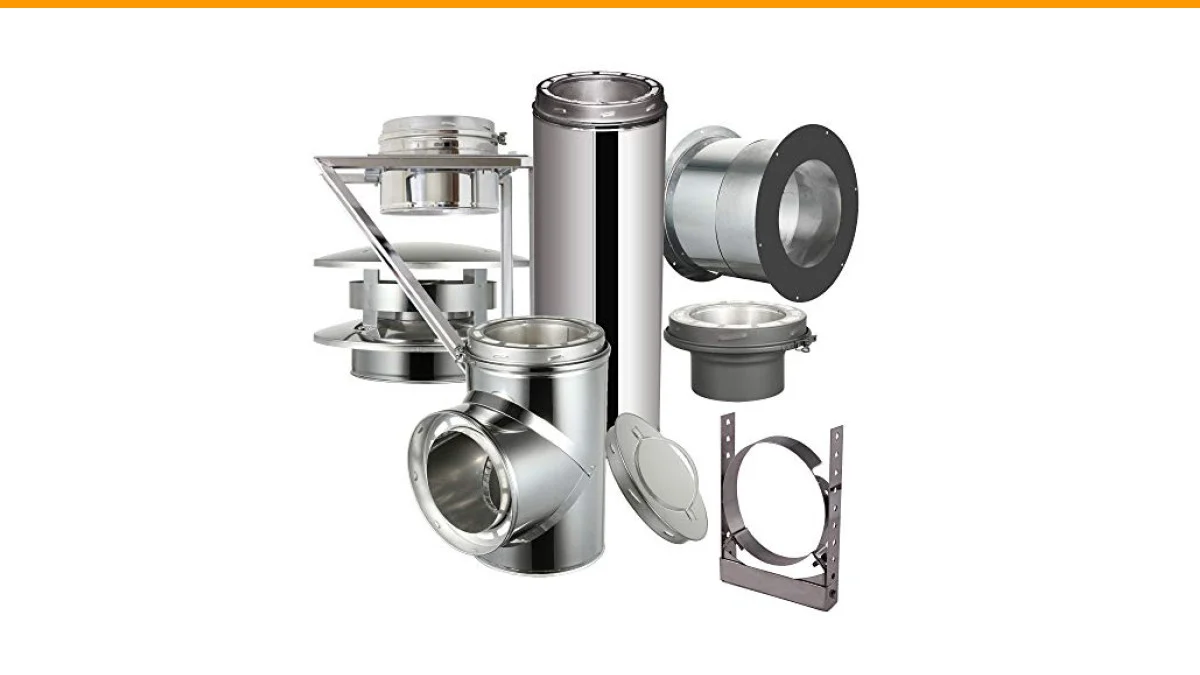
AllFuel HST Through The Wall Kit with Flat Top Chimney Cap for 6" Diameter 304 Stainless Steel Class-A Double Wall All Fuel Insulated Chimney Pipe (24" Length, Adjustable Wall Bracket)
- Compatible with AllFuel HST Class-A double wall chimney pipe (lengths of pipe sold separately). Can not be connected to other bran…
- To choose the proper length of pipe to pass through the wall thimble measure the thickness of the wall you will pass through. Add…
- Choose between a standard wall bracket that provides 2" clearance or an adjustable wall bracket that extends up to 7" to pass a gu…
The AllFuel HST Through The Wall Kit is designed for use with 6″ diameter 304 stainless steel Class-A double wall chimney pipes. It includes everything needed to establish a safe and efficient chimney system, highlighting the importance of using quality materials for protecting your sauna from fire hazards.
Understanding Creosote and Its Risks
Creosote is a byproduct of burning wood and other fuels. It forms when gases released during combustion cool and condense on the inner surfaces of the chimney. Over time, this buildup can become thick and tar-like, posing a fire hazard. According to the National Fire Protection Association (NFPA), chimneys should be inspected and cleaned regularly to prevent creosote accumulation.
Several factors contribute to creosote formation:
- Temperature: When the flue temperature is low, creosote forms more readily. This often occurs in poorly insulated chimneys.
- Burning Practices: Incomplete combustion due to low-quality fuels or damp wood leads to increased creosote production.
- Chimney Design: A poorly designed chimney can trap heat and moisture, promoting creosote buildup.
For sauna owners, understanding these factors is crucial. A clean chimney reduces the risk of fire and ensures efficient operation of the heating system.
The Role of Stainless Steel in Chimney Kits
Stainless steel chimney kits, like the AllFuel HST, offer several advantages over traditional materials. They are resistant to corrosion and can withstand the high temperatures generated during wood combustion. This durability makes them ideal for sauna applications where moisture and heat are prevalent.
Here are some key benefits of stainless steel chimney kits:
- Heat Resistance: Stainless steel can handle higher temperatures without breaking down, reducing the risk of creosote ignition.
- Corrosion Resistance: Unlike other metals, stainless steel does not rust or corrode, even in humid sauna conditions.
- Insulation: Double-wall designs provide superior insulation, maintaining higher flue temperatures and minimizing creosote formation.
For instance, the AllFuel HST kit features a Class-A double wall construction that keeps the external surface cooler, thus reducing the potential for creosote buildup.
Installation and Maintenance Best Practices
Proper installation and maintenance play critical roles in preventing creosote fires. Follow these guidelines to ensure your stainless steel chimney kit operates safely:
- Choose the Right Kit: Ensure compatibility with your sauna’s heating system. The AllFuel HST kit is tailored for various fuel types, including wood and gas.
- Install Correctly: Follow the manufacturer’s installation instructions carefully. Pay special attention to the wall thimble and clearance requirements.
- Regular Inspections: Schedule annual inspections to check for creosote buildup and structural integrity.
- Clean as Needed: Clean the chimney at least once a year, or more frequently if you use your sauna often.
Maintaining a clean chimney is essential for safety. The NFPA recommends a thorough cleaning whenever creosote reaches 1/8 inch in thickness.
Comparative Overview of Chimney Materials
| Material | Heat Resistance | Corrosion Resistance | Maintenance Needs |
|---|---|---|---|
| Stainless Steel | High | Excellent | Low |
| Clay Tile | Medium | Poor | Medium |
| Aluminum | Low | Moderate | High |
| Single Wall Metal | Medium | Poor | Medium |
This table illustrates the clear advantages of stainless steel over other materials, particularly regarding heat and corrosion resistance, which are crucial for preventing creosote fires in saunas.
FAQs about Stainless Steel Chimney Kits and Creosote Fires
1. How does a stainless steel chimney prevent creosote fires?
Stainless steel chimneys maintain higher temperatures, reducing condensation and creosote buildup. Their corrosion resistance ensures longevity and safety.
2. Is regular maintenance necessary for stainless steel chimneys?
Yes, regular inspections and cleanings are essential. Even stainless steel can accumulate creosote if not properly maintained.
3. What are the signs of creosote buildup?
Signs include a strong odor from the chimney, smoke backing up into the sauna, or visible black soot around the chimney area.
4. Can I install a stainless steel chimney myself?
While some may attempt DIY installation, it’s recommended to hire a professional to ensure safety and compliance with local codes.
5. How often should I clean my stainless steel chimney?
Clean your chimney at least once a year, or every 1-2 months during heavy use. Regular maintenance helps prevent dangerous creosote buildup.
Final Thoughts on Safety and Efficiency
- Stainless steel chimney kits significantly reduce creosote fire risks.
- Regular inspections and maintenance are essential for safety.
- Choose high-quality materials for effective performance.
- Ensure proper installation to maximize safety features.
- Stay informed about creosote buildup signs to act quickly.
- Consider investing in a product like the AllFuel HST kit for reliable performance.
- Prioritize safety in your sauna experience to enjoy it fully.