Understanding Humid Sauna Environments
Imagine stepping into a sauna after a long day. The warmth envelops you, and the humidity instantly relaxes your muscles. Saunas provide a unique experience, combining heat and moisture to promote relaxation and health benefits. However, the very conditions that make saunas enjoyable can also create challenges, particularly concerning the materials used in sauna construction. One critical aspect of sauna design is the hardware used to install various components, especially in humid environments.
This article will explain why stainless steel hardware is necessary inside humid saunas. You’ll learn about the risks of corrosion, the benefits of using stainless steel, and factors to consider when selecting hardware for your sauna.
The Sauna Place
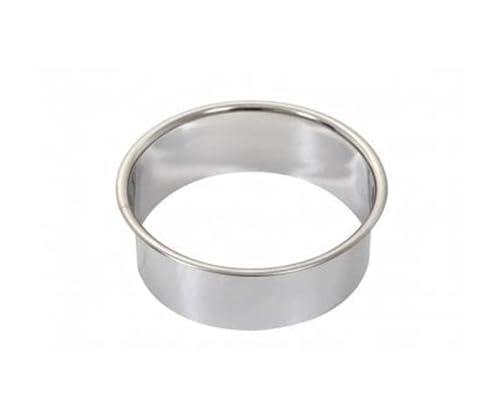
Finlandia Sauna Heater Stainless Steel Embedding Flange HPC2 for Cilindro 6,7 & 9kw Sauna Equipment
- SEAMLESS HEATER EMBEDDING: The Sauna Heater Stainless Steel Embedding Flange HPC2 is specially designed to facilitate the seamless…
- STAINLESS STEEL DURABILITY: Crafted from premium stainless steel, this embedding flange is built to last, offering not only functi…
- HEAT RADIATION PROTECTION: In addition to its embedding capabilities, the flange serves as an effective shield against heat radiat…
For those looking to enhance their sauna experience, consider the Finlandia Sauna Heater Stainless Steel Embedding Flange HPC2. This product seamlessly embeds sauna heaters into benches while offering the durability and heat resistance needed in a humid sauna environment.
The Risks of Corrosion in Humid Saunas
Humidity acts on metals in various ways. Traditional metals, such as iron and aluminum, are prone to corrosion and rust when exposed to moisture. In a sauna, where temperatures can reach over 190°F (88°C) and humidity levels often exceed 50%, these metals can degrade rapidly.
Corrosion can lead to structural weaknesses, safety hazards, and aesthetic issues. For example, rusty screws can lose their grip, causing benches or other fixtures to become unstable. Furthermore, rust can stain wooden surfaces, leading to costly repairs and maintenance.
Steel is often used in sauna hardware. However, not all steel is created equal. Regular steel can corrode in humid environments, leading to the same issues mentioned above. In contrast, stainless steel contains chromium, which forms a protective layer that prevents rust and corrosion.
Benefits of Stainless Steel in Sauna Environments
Choosing stainless steel hardware offers numerous advantages in humid sauna settings. Here are several key benefits:
- Corrosion Resistance: Stainless steel is highly resistant to rust, making it ideal for humid environments. Its protective layer allows it to withstand high moisture levels without degrading.
- Durability: Stainless steel hardware is robust and can handle the physical stresses often found in saunas, such as weight from benches and heaters.
- Low Maintenance: Unlike other materials, stainless steel requires minimal upkeep. A simple wipe-down with a damp cloth is often enough to keep it looking good.
- Safety: Using corrosion-resistant materials reduces the risk of hardware failure. This is crucial in a sauna, where structural integrity is vital for user safety.
- Aesthetic Appeal: Stainless steel offers a sleek, modern look that complements the natural elements commonly found in sauna designs.
Factors to Consider When Choosing Hardware for Your Sauna
When selecting hardware for a sauna, consider the following factors to ensure you choose the right materials:
- Grade of Stainless Steel: Look for high-grade stainless steel, such as 304 or 316. The 316 grade offers higher corrosion resistance due to its molybdenum content, making it a preferred choice for humid environments.
- Finish: A polished or brushed finish not only enhances appearance but also adds an extra layer of protection against moisture retention.
- Design and Functionality: Choose hardware that is designed for sauna use. This includes elements like embedding flanges for heaters, which should seamlessly integrate into your sauna’s design.
- Temperature Resistance: Ensure the hardware can withstand high temperatures without losing structural integrity or safety.
Comparison of Sauna Hardware Options
| Material | Corrosion Resistance | Durability | Maintenance | Aesthetic Appeal |
|---|---|---|---|---|
| Stainless Steel 304 | High | Good | Low | Modern |
| Stainless Steel 316 | Very High | Excellent | Very Low | Modern |
| Aluminum | Moderate | Good | Low | Industrial |
| Iron | Low | Good | High | Rustic |
Frequently Asked Questions
1. Why is stainless steel better than other metals for sauna hardware?
Stainless steel is superior due to its corrosion resistance, durability, and low maintenance needs. It withstands high humidity and temperature levels, ensuring safety and longevity.
2. Can I use regular steel in my sauna?
Using regular steel is not advisable. It will likely corrode and rust quickly, leading to safety concerns and expensive repairs.
3. What is the best grade of stainless steel for sauna use?
Stainless steel 316 is the best choice for sauna environments due to its excellent corrosion resistance and durability. It’s especially effective in humid conditions.
4. How often should I maintain stainless steel hardware in my sauna?
Stainless steel requires minimal maintenance. Regularly wipe it down with a damp cloth to remove any moisture or debris. Inspect for any signs of wear annually.
5. Can I install sauna hardware myself?
While it’s possible to install hardware yourself, it’s essential to follow manufacturer guidelines and ensure proper installation to maintain safety and functionality.
Closing Insights on Stainless Steel Hardware for Saunas
- Stainless steel hardware is essential for preventing corrosion in humid sauna environments.
- Choose high-grade stainless steel, particularly 316, for the best performance.
- Regular maintenance is minimal, making stainless steel a practical choice.
- Ensure hardware is designed for sauna use to maintain safety and functionality.
- Consider aesthetic aspects when selecting hardware to enhance your sauna’s overall look.
- Opt for polished finishes to improve moisture resistance and appearance.
- Regularly inspect hardware to ensure safety and longevity in your sauna.