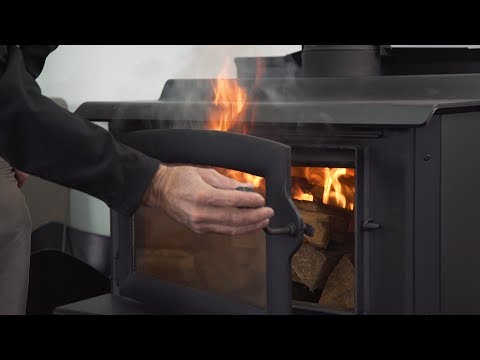
 Why does smoke come into the room when I open the wood burner door?Watch on YouTube
Your Sauna Experience Disrupted
Imagine stepping into your sauna, ready to unwind after a long day. Instead of the comforting warmth, you’re met with a haze of smoke filling the room. This frustrating situation is more common than you might think. Understanding why your wood burning sauna stove is smoking into the room can help you restore your sanctuary.
This article covers the primary reasons your sauna stove may be producing smoke, along with practical solutions. By the end, you’ll have the knowledge to troubleshoot effectively and improve your sauna experience.

Harvia
Harvia M3 Woodburning Sauna Heater
- Wood-burning. 16.5kW. Elegant graphite black.
- Stainless steel air-flow spoiler. Floor installation.
- Designed, engineered, and made in Finland. For sauna rooms from 212 to 459 cu. ft.
One product that can enhance your sauna experience is the Harvia M3 Woodburning Sauna Heater. This elegant, efficient stove is designed for sauna rooms of various sizes and features a stainless steel air-flow spoiler to optimize performance.
Common Causes of Smoke in Wood Burning Sauna Stoves
Identifying the source of smoke is essential in addressing the issue. Here are some common reasons:
1. Inadequate Draft
A proper draft is crucial for efficient combustion. If your stove lacks adequate airflow, smoke will escape into the sauna instead of rising through the chimney. This issue often occurs when:
- The chimney flue is blocked.
- The chimney height is insufficient.
- There’s a lack of fresh air intake.
To improve draft, ensure the chimney is clean and unobstructed. The chimney should ideally extend at least 2 feet above the roofline and 3 feet above any structure within 10 feet.
2. Poor Fuel Quality
Using low-quality, damp, or untreated wood can lead to incomplete combustion, resulting in excess smoke. Ideally, wood should have a moisture content of 20% or less. Here’s how to ensure you’re using good fuel:
- Store wood in a dry, ventilated area.
- Split wood for faster drying.
- Test moisture content with a meter.
Switching to high-quality, seasoned wood can significantly reduce smoke and improve heat output.
3. Incorrect Installation
Improper installation of the stove and chimney can lead to smoke issues. For instance:
- The stove may be too close to walls or ceilings, restricting airflow.
- The chimney may have sharp bends, obstructing smoke flow.
Consult the installation manual for your stove and ensure all guidelines are followed. Consider hiring a professional for installation if you’re unsure.
4. Excessive Ash Build-Up
Regular maintenance is key to optimal performance. Ash build-up can obstruct airflow, causing smoke to escape into the sauna. Here’s how to manage ash:
- Clean the ash pan regularly.
- Inspect and clean the chimney at least once a year.
- Remove any debris around the stove.
Establishing a routine cleaning schedule will help maintain efficiency and reduce smoke.
Understanding Wood-Burning Sauna Stove Efficiency
Many people mistakenly believe that a higher wattage means more heat and less smoke. However, the efficiency of your wood-burning sauna stove depends on various factors:
- Design and engineering of the stove.
- Type of wood used.
- Proper installation and maintenance.
The Harvia M3 Woodburning Sauna Heater, for example, is designed to deliver optimal performance with its thoughtful engineering. With a power output of 16.5kW, it heats sauna rooms ranging from 212 to 459 cubic feet efficiently, minimizing smoke when properly used.
Comparative Chart of Common Solutions
| Solution | Effectiveness | Ease of Implementation |
|---|---|---|
| Improve Draft | High | Moderate |
| Use Quality Fuel | High | Easy |
| Correct Installation | High | Moderate to Difficult |
| Clean Ash and Chimney | Medium | Easy |
Frequently Asked Questions
1. Why does my sauna stove produce smoke when I first light it?
This is often due to the initial combustion of moisture in the wood. Allow the stove to warm up gradually to help reduce smoke production.
2. Is it normal for my sauna to smoke during use?
No, it’s not normal. A properly functioning stove should not produce significant smoke once it’s heated adequately.
3. Can I use treated wood in my sauna stove?
Treated wood can release harmful chemicals when burned. Stick to natural, untreated wood for safety and efficiency.
4. How often should I clean my sauna stove?
Clean the ash pan after each use and inspect the chimney at least once a year for build-up or blockages.
5. What should I do if my stove continues to smoke after troubleshooting?
If smoke issues persist, consult a professional. They can assess for deeper installation or structural problems that may be contributing to the smoke.
Tips for a Better Sauna Experience
- Ensure your sauna has proper ventilation.
- Use only seasoned, dry wood for fuel.
- Regularly inspect and clean the chimney and stove.
- Consult with professionals for installation and maintenance.
- Invest in quality equipment, such as the Harvia M3 Woodburning Sauna Heater.
Understanding the reasons behind smoke in your wood burning sauna stove can help you maintain a more enjoyable and relaxing environment. With proper care, you can ensure that your sauna remains a peaceful retreat, free from unwanted smoke.